
Last updated November 24, 2026
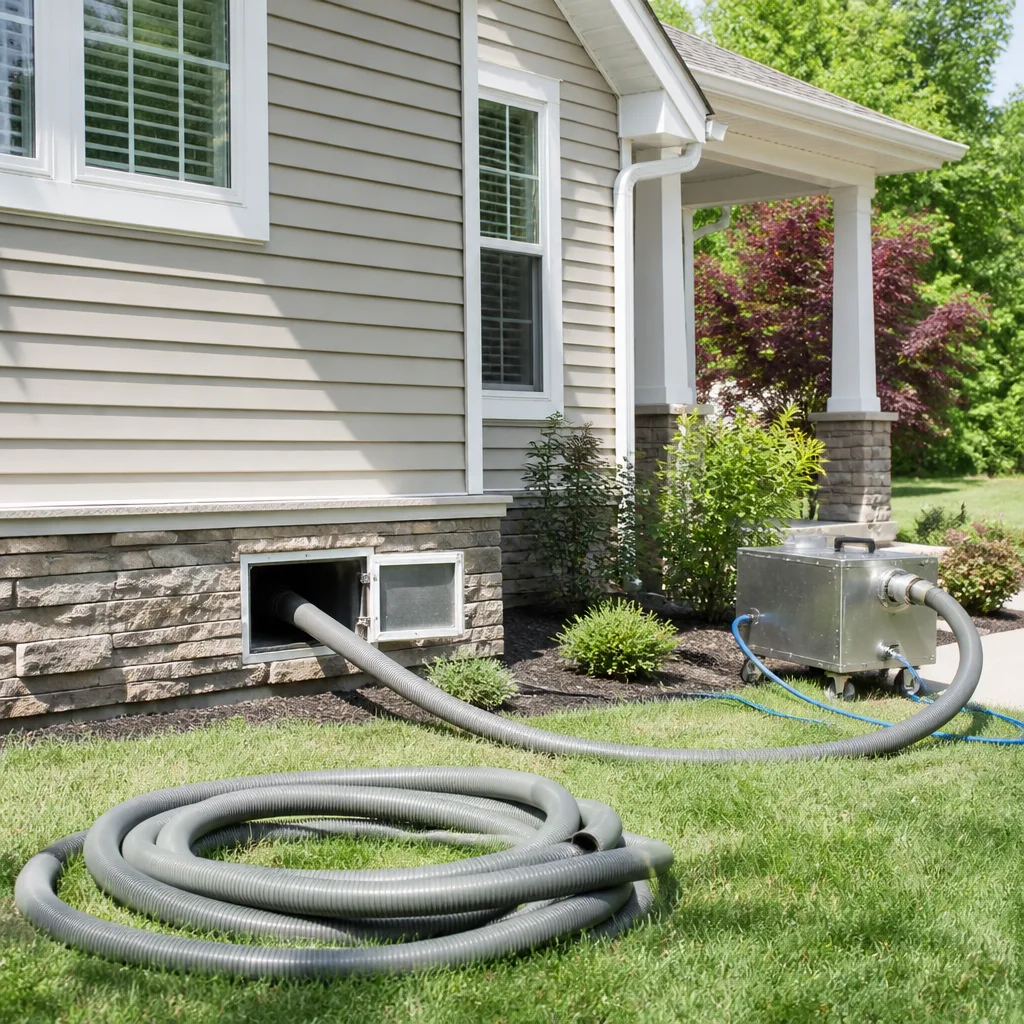 Whole-home duct cleaning
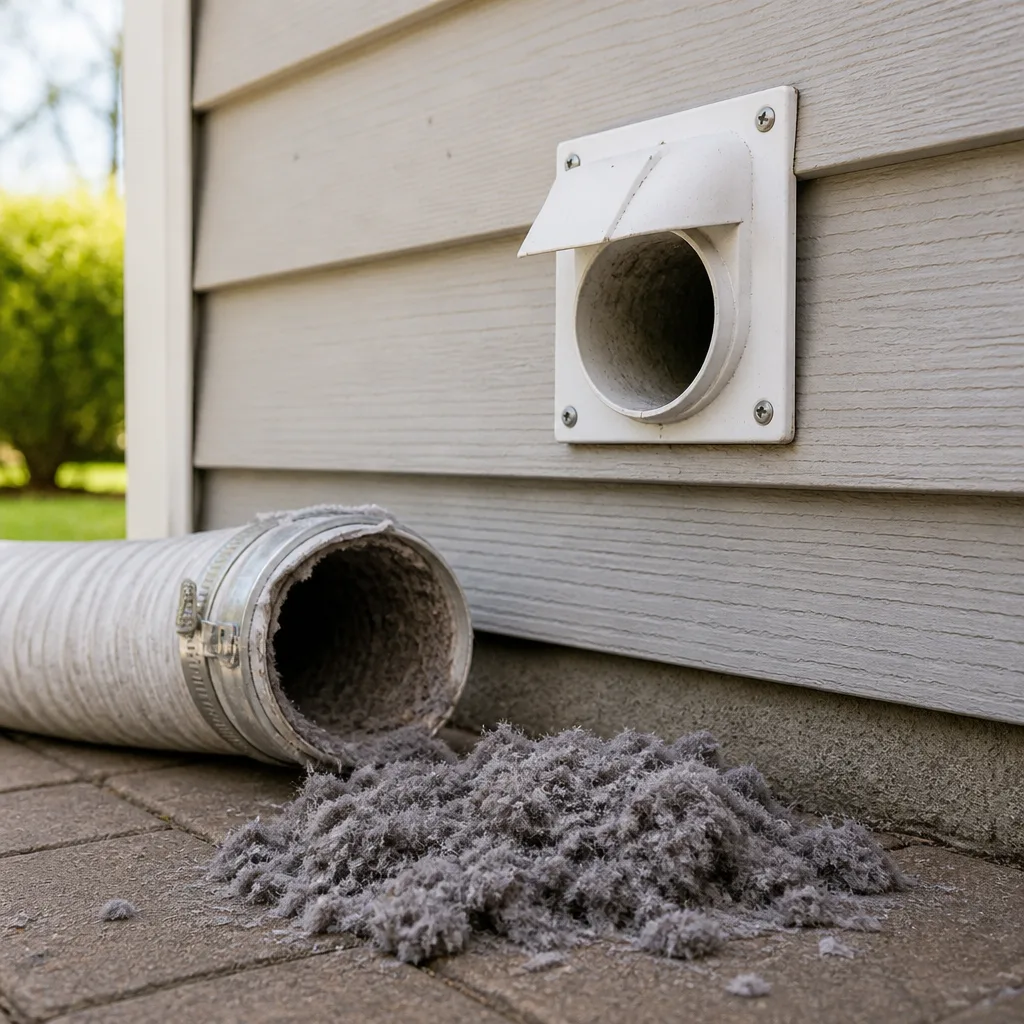 Dryer vent cleaning
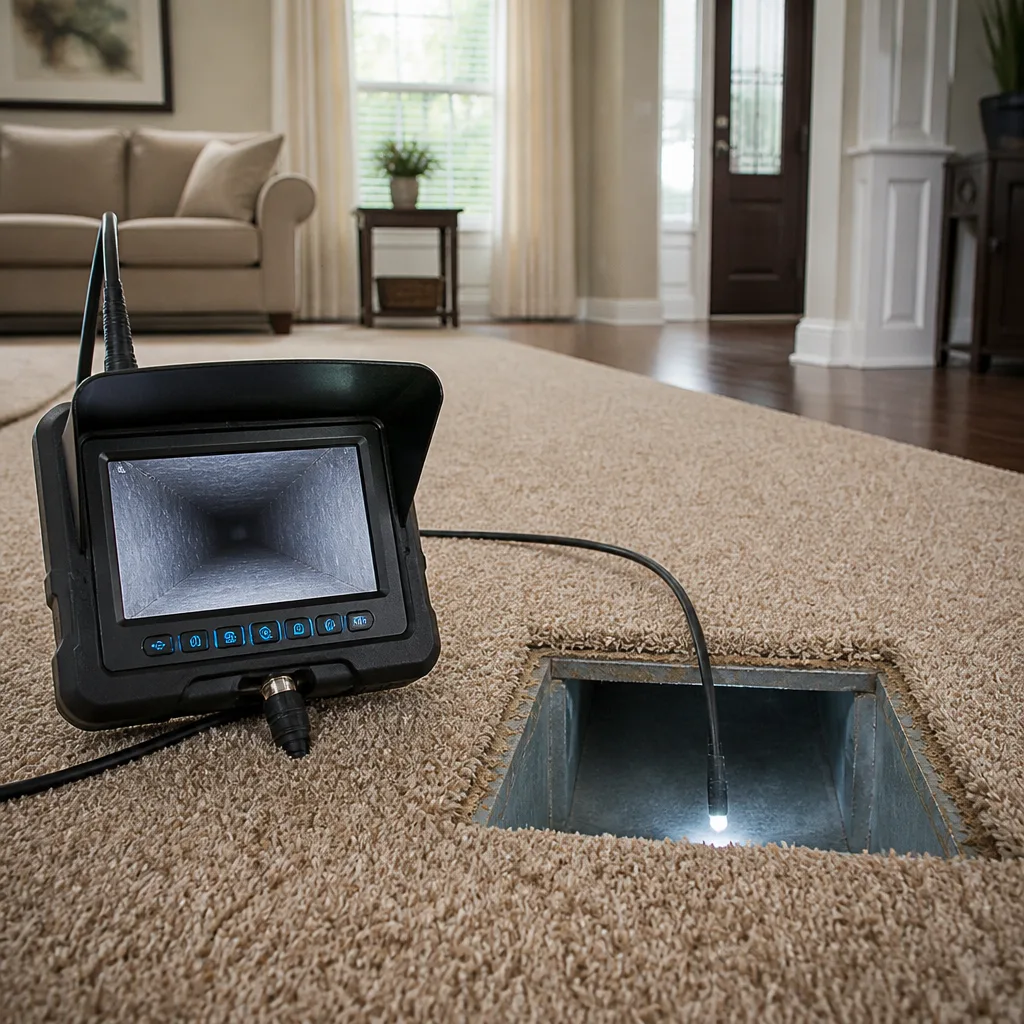 Camera inspection
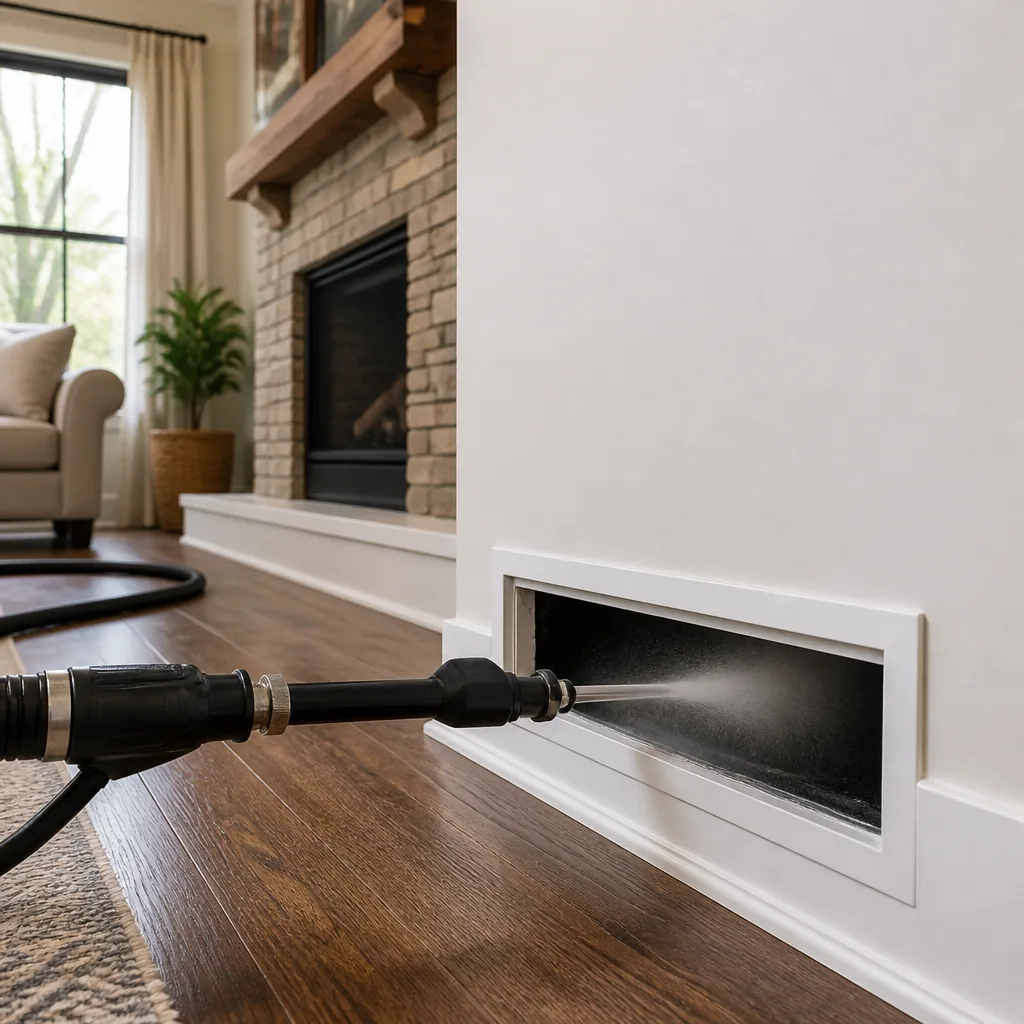 Sanitizing & deodorizing
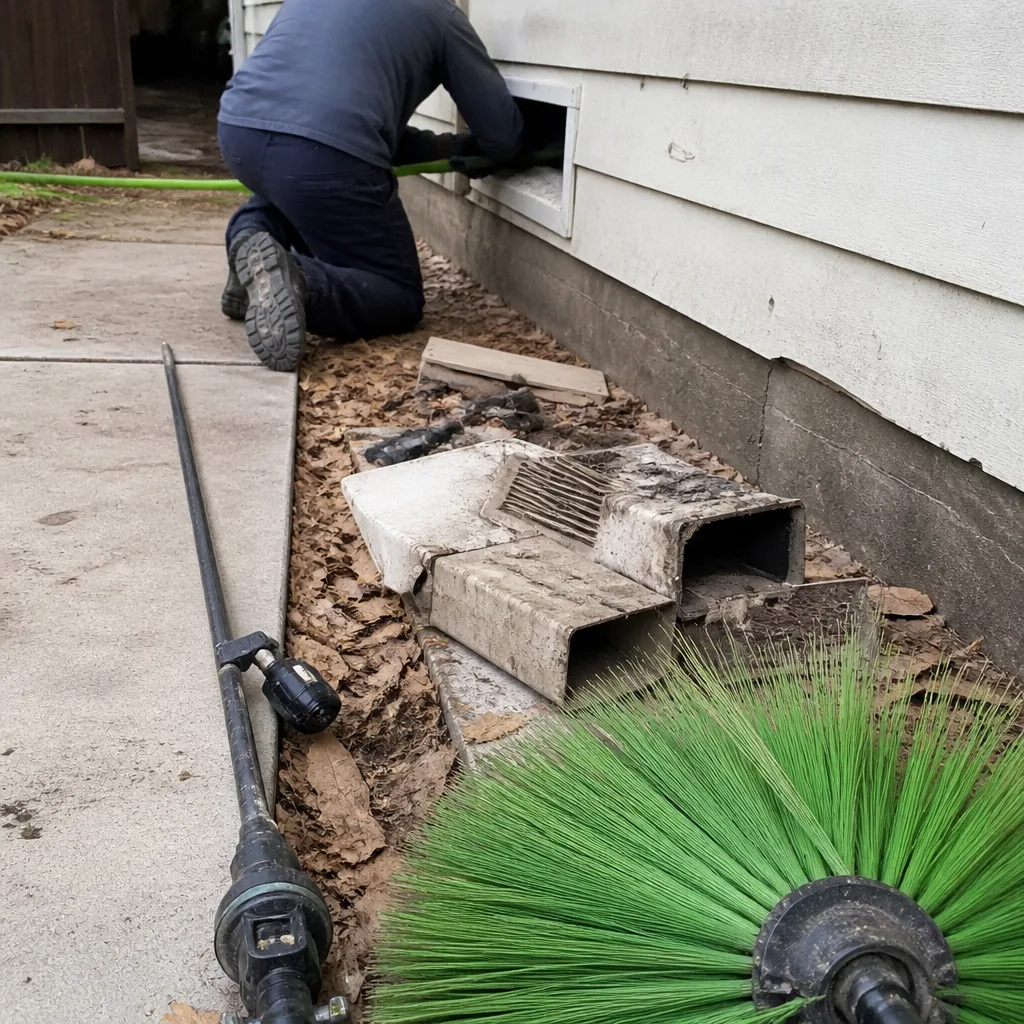
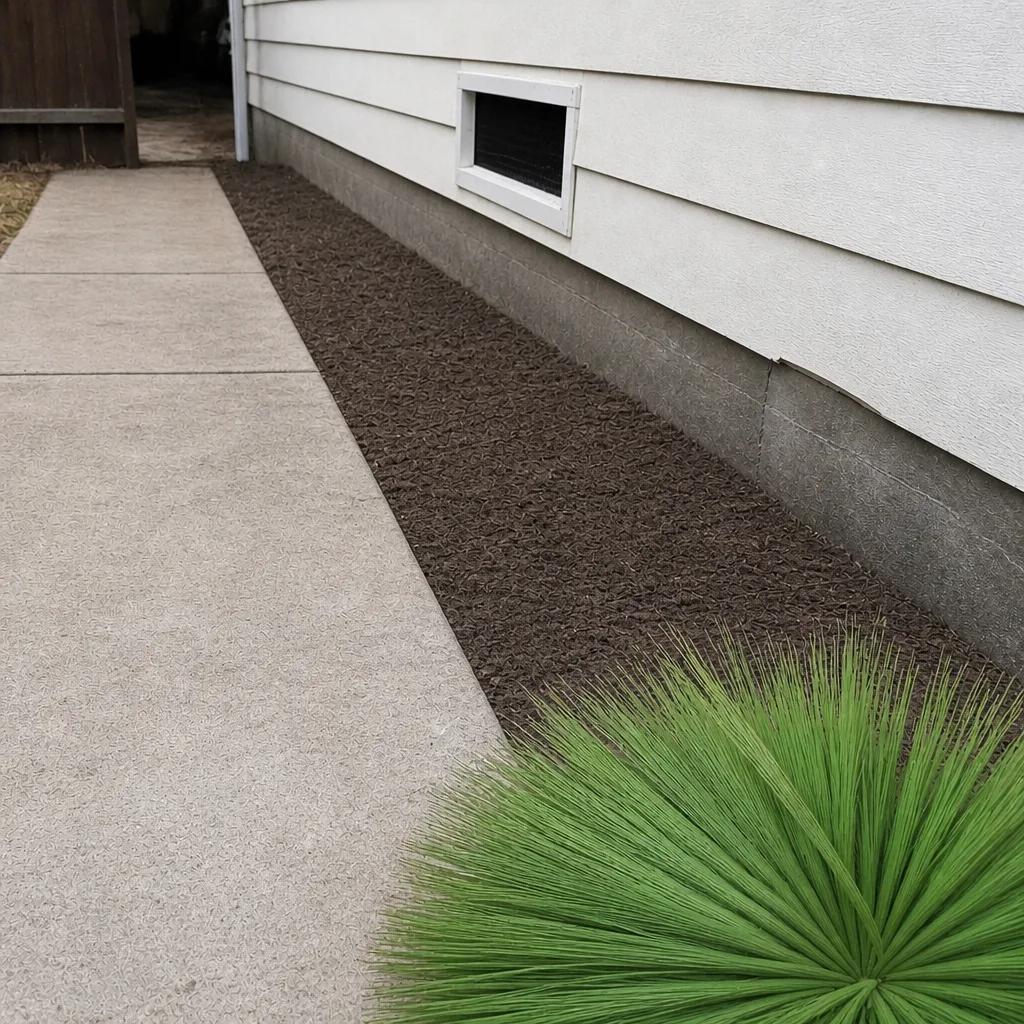
Whole-system duct and dryer vent check with before-and-after photos - you see exactly what came out of your vents
That "$99 whole-house special" is a bait ad - the real number appears once they are in your hallway, or the "clean" is a shop-vac at the register. We photograph the inside of your ducts before and after instead.
Air Duct Cleaning Troubleshooting in Clearfield: Common Problems and How to Fix Them
If your ducts were cleaned six months ago and the dust is already back, the cleaner probably didn’t fail. Your duct system likely has a breach that’s pulling in attic or crawl space particulate, and no amount of cleaning fixes a leak. That’s the part most homeowners miss: they treat a symptom, the symptom returns, and they assume duct cleaning doesn’t work. What actually happened is that the wrong problem got solved. This guide maps the complaints you’re living with – musty smells, cold rooms, dust settling on furniture days after you wipe it down – to the specific root causes behind them, so you can tell whether you’re dealing with dirt, a restriction, a broken duct, or an equipment issue. We work on Clearfield systems every week, and the patterns hold.
Quick Answer
Most air duct problems in Clearfield fall into four buckets: accumulated debris, duct leakage, physical duct damage (collapsed or disconnected flex duct), or an HVAC equipment fault that has nothing to do with the ducts at all. Cleaning fixes the first. Duct repair and sealing fix the second and third. The fourth needs an HVAC technician. The trick is figuring out which one you have before you spend money on the wrong service.
Styles & brands we work with
- Whole-home duct cleaning
- Dryer vent cleaning
- Camera inspection
- Sanitizing & deodorizing
Table of Contents
- The Symptom-to-Cause Matrix
- Weak Airflow: Duct Restriction, Collapsed Flex, or Equipment?
- Why Dust Comes Back So Fast After Cleaning
- Cleaning vs. Repair: What Happens When You Only Do One
- Musty Smells and What They Actually Tell You
- Uneven Room Temperatures in Clearfield Homes
- What You Can Safely Check Yourself vs. What Needs a Camera
- Clearfield-Specific Factors That Shape Duct Problems
The Symptom-to-Cause Matrix
Start here. Every complaint you have about your duct system is a symptom, and each symptom points to a short list of likely causes. Getting the cause right is the whole game, because the fix for a leak is completely different from the fix for dirt.
- Musty, earthy, or “old basement” smell: moisture or biological growth somewhere in the system, often in the evaporator coil area or in ductwork that runs through a damp crawl space. Sometimes it’s debris that’s been sitting long enough to harbor growth.
- Dust reappearing on surfaces within days: duct leakage. The system is pulling unfiltered air from the attic or crawl space and distributing it through the house.
- Weak airflow from some registers, strong from others: a restriction, a collapsed length of flex duct, a disconnected joint, or a damper that’s partially closed.
- Weak airflow everywhere: usually the blower, the filter, or the evaporator coil – an HVAC issue, not a duct issue.
- Visible debris or dust streaks around a register: debris accumulation, and often a poor seal at the boot where the duct meets the floor or wall.
- Whistling or whooshing at a vent: undersized return, a partially closed damper, or a gap pulling air.
- Rooms that never reach the thermostat setpoint: duct design imbalance, leakage in the run to that room, or a damper issue.
Two or more of these together usually narrows the diagnosis fast. Dust returning quickly plus a musty smell, for example, is a strong signal toward leakage with a moisture source nearby. On its own, though, no single symptom is definitive. That’s why the diagnostic step matters. If you’ve been meaning to get a baseline on your system, our air duct cleaning service starts with an inspection of the full run, not a guess.
Weak Airflow: Duct Restriction, Collapsed Flex, or Equipment?
Weak airflow is the single most misdiagnosed complaint we encounter in Clearfield. Homeowners assume ducts, buy a cleaning, and the airflow is unchanged because the actual problem is upstream at the air handler. Here’s how to separate the three possibilities before anyone shows up.
- Check the filter first. A clogged filter chokes airflow in every room at once. If the filter is clean and airflow is still weak everywhere, move to step two.
- Note the pattern. Weak in one or two rooms but strong in the rest points toward a duct restriction or a damaged run to those specific registers. Weak in every room points toward equipment.
- Listen at the air handler. If you can hear the blower running at what sounds like normal speed but no air is moving, the problem is downstream. If the blower sounds labored or the unit short-cycles, call an HVAC technician before anyone touches the ducts.
- Open the register and look. With the system off, remove a register cover on the weak run. If you can see a kink, a crushed length of flex duct, or debris packed into the boot, you’ve found your restriction.
- Check for a closed damper. Some Clearfield homes have balancing dampers in the branch runs. A damper left partially closed during a prior adjustment will choke that room forever.
What you can’t do from the register is see past the first few feet. A collapsed inner liner on insulated flex duct looks perfectly fine from the outside – the outer jacket holds its shape while the inner core has folded in on itself. That’s a camera-and-negative-pressure diagnosis. We use Rotobrush equipment for agitation-based cleaning, and the inspection step is what tells us whether cleaning is even the right call or whether a run needs to be replaced before cleaning is worth doing.
Why Dust Comes Back So Fast After Cleaning
Dust returning within weeks or a few months of a professional cleaning almost always means duct leakage, not poor cleaning. Here’s the mechanism. Your duct system operates under pressure. Supply ducts push air out at the registers; return ducts pull air back. If any part of that envelope has a gap – a disconnected joint, a tear in the flex duct jacket, an unsealed boot at a floor register, a gap where the plenum meets the air handler – the system pulls air from wherever the gap is. In a Clearfield home, that gap is often in the attic or the crawl space.
That means the system is drawing in attic insulation fibers, crawl space dust, and whatever else is in that cavity, then distributing it through the house. You can clean the ducts perfectly and the leak will refill them. The dust isn’t coming from the ducts; it’s coming through them.
Signs that leakage is your actual problem:
- Dust builds up on horizontal surfaces (shelves, tabletops, blinds) faster than it does on vertical surfaces
- You notice it most in rooms closest to the air handler or on runs that pass through unconditioned space
- The dust is finer and lighter-colored than typical household dust – a sign it’s insulation or attic particulate
- Your energy bills are higher than you’d expect for the square footage, because you’re conditioning air that’s leaking out
- You can see dust streaks or dark staining around register frames or at the base of the air handler
Duct sealing is the fix. Our HVAC cleaning service includes inspection of the air handler and plenum connections where leaks most often start, and we seal what we find. Cleaning without sealing is a temporary fix – and a frustrating one if you don’t know why.
Cleaning vs. Repair: What Happens When You Only Do One
Air duct cleaning removes accumulated debris. Duct repair fixes structural problems – tears, disconnections, collapsed sections, crushed runs. These are different services with different tools, and doing one without the other leaves the job half-done. It’s the most common reason homeowners in Clearfield end up calling us back a year later with the same complaint.
If you clean without repairing: the debris comes out, but the leak that was refilling the system is still there. Depending on how big the breach is, you’ll see dust return in weeks rather than months. Airflow problems caused by a collapsed run won’t improve at all, because cleaning doesn’t uncrush a duct. In a Clearfield summer, when the system is running hard for months, the leak keeps pulling in attic air the whole time.
If you repair without cleaning: the leaks are sealed and the system is tight, but the debris that accumulated before the repair is still sitting in the ducts. Sealing a leak also means the debris now stays in the system rather than being diluted by incoming air – the concentration of particulate in the ducts actually goes up. It also means any growth that formed because of moisture now has a sealed, humid environment to keep developing in.
Doing both together is the only sequence that produces a clean, sealed, verified system. This is why we offer cleaning, repair, and sealing under one roof rather than handing you off mid-project to a different contractor. When we find a breach during a cleaning, we repair it right then. If you want the full picture on how we handle the repair side, our Clearfield Air Duct Cleaning overview covers the full service range.
Musty Smells and What They Actually Tell You
A musty smell coming from your vents is not a cleaning problem in the way most people think. It’s a moisture problem, and cleaning alone rarely resolves it. Here’s how to trace it.
First, narrow the source. Turn the system off and smell at several registers. If only one or two rooms smell, the growth is likely local to those runs – a section of duct passing through a damp crawl space, or a boot with a moisture issue underneath. If every register smells, the source is usually central: the evaporator coil, the drain pan, or the plenum right above the air handler.
Second, look for moisture indicators. Water staining on the ductwork in the attic, condensation on the outside of duct runs, a drain pan that isn’t draining cleanly, or a coil that looks dark or matted. In our experience, the evaporator coil is the most common source of a whole-house musty smell – it stays wet for most of the cooling season, and if it isn’t clean, biological growth takes hold.
Third, consider the cleaning and sanitizing step separately from the cleaning itself. A thorough cleaning removes the food source (debris, dust, biological material). A sanitizing step applied after cleaning addresses the surface. We use Guardsman protection products in the finishing and sanitizing stages, and Abatement Technologies air scrubbers and containment during service so that what comes out of the ducts doesn’t end up redistributed through the house. That’s genuine indoor-air-quality control, not a spray-and-hope approach.
One warning: if the smell is persistent and strong, don’t mask it with a plug-in deodorizer or a UV add-on before you find the source. A musty smell that returns after a cleaning is a signal that the moisture problem wasn’t addressed, and it’ll come back until it is.
Uneven Room Temperatures in Clearfield Homes
Uneven heating and cooling is one of the most common complaints we get in Clearfield, and it has four possible root causes. Working through them in order saves money.
- Duct leakage on the run to that room. If a room is consistently too cold in winter and too warm in summer, the branch duct serving it may be leaking in the attic before it reaches the register – the conditioned air is escaping before it gets where it’s needed.
- A collapsed or disconnected run. Flex duct that’s crushed, kinked at a turn, or slipped off its collar sends very little air to the room. Sometimes it delivers nothing at all.
- A duct design imbalance. Some Clearfield homes have a run that’s undersized for the room’s square footage or window exposure. A north-facing bedroom with a short run can be chronically cold, and no amount of cleaning will change that.
- Damper position. Balancing dampers installed in the branch runs can end up partially closed. If someone adjusted them in a previous season and didn’t reopen them, that room stays starved.
Duct repair and sealing is the right fix for the first two, and it makes a measurable difference. The third is a design problem that cleaning and sealing can’t solve; the fix is a HVAC evaluation, sometimes with a new run added. The fourth is a five-minute adjustment. Our recommendation: have the ducts inspected and sealed first, since that’s the most likely cause and it improves the whole system, then reassess the problem room.
What You Can Safely Check Yourself vs. What Needs a Camera
You can safely check a surprising amount of your own duct system. What you cannot do safely is diagnose the inside of a run, work with high-pressure equipment, or open up the air handler. Here’s the line.
Safe to check yourself:
- Register covers – remove them and look at the boot and the first few feet of duct with a flashlight
- The filter – replace it, note the date, and check it monthly during heavy-use months
- Visible flex duct in an accessible attic – look for kinks, crushed sections, disconnected joints, or torn outer jackets
- Condensation or water staining on duct surfaces
- Damper positions at accessible branch runs
- The drain pan under the air handler – check that it’s draining and not standing water
Needs a professional:
- Anything past the first few feet of a duct run – the inner liner of flex duct can collapse invisibly, and you need a camera to see it
- Pressure testing – verifying whether the system is leaking requires a negative-pressure setup and a manometer
- Anything inside the air handler, including the blower, the evaporator coil, and the plenum connections
- Sealing the plenum-to-duct connections – the mastic application and the pressure verification both need to be done right
- The main trunk line, which is usually not accessible from a register
A note for Clearfield attics: if your duct runs through an attic space, checking them yourself means walking on joists in a hot, poorly lit space. If you’re not comfortable with that, don’t. A camera inspection tells us everything we need without you climbing up there.
Clearfield-Specific Factors That Shape Duct Problems
Clearfield sits on the eastern edge of the Great Salt Lake valley, which gives the area a specific set of duct conditions you won’t see in most other markets.
Dry air and pressure differentials. The valley’s dry climate means homes and attics have significant pressure differentials between indoor and outdoor air. When a duct system is leaky, those differentials work against you – the system pulls attic air in through any breach. If your ducts reach into the attic, gaps in the flex jacket or at the boots are pulling in insulation fibers and attic dust constantly.
Winter inversions. During the inversion season, the valley traps particulate near the ground. When your duct system is sealed and clean, your home is protected from that outdoor air because you’re recirculating filtered indoor air. When it leaks, you’re bringing inversion air into the house through the return. Every leak is amplified during inversion days, which is why the effect is so noticeable to Clearfield homeowners.
Heating and cooling load swings. Clearfield homes run the furnace hard through winter and the AC hard through summer, then transition quickly. That swings the duct system through a wide pressure and temperature range every year, which accelerates wear on flex duct joints and the seals at the boots. This is why sealing is a recurring part of maintenance here, not a one-time event.
The unconditioned attic factor. Most Clearfield single-family homes route at least part of their duct system through the attic. That space can be well over 100 degrees in summer and at or below freezing in winter. Duct runs through that space are the first to develop problems.
The dryer vent connection. The dryer vent cleaning service is worth mentioning here because it’s part of the same air-handling picture. A clogged dryer vent is a separate fire risk and a separate airflow problem, but on many Clearfield home visits we find both the HVAC ducts and the dryer vent need attention. While you’re thinking about your ducts, think about the dryer vent too.
If you’re considering air quality solutions on top of cleaning, Honeywell and Aprilaire filtration products are worth a look because they address the ongoing particulate load rather than just the debris that’s already there. That’s a whole-system approach, and it’s what we mean by intake to outlet.
Common Mistakes to Avoid
- Cleaning without sealing, and expecting dust not to come back. If the leak is still there, the dust returns. That’s the most expensive mistake on this list because you pay twice.
- Diagnosing airflow problems before checking the filter. A clogged filter can mimic a duct restriction, and swapping the filter costs almost nothing. Clearfield’s dust load means filters clog faster than you’d think.
- Assuming a musty smell is a cleaning problem. It’s a moisture problem. Cleaning removes the food source but not the water. If the moisture source isn’t addressed, the smell returns.
- Buying a cleaning from a quote that’s dramatically lower than the others. A very low quote usually means a short visit, consumer-grade equipment, or a technician who’ll find a list of problems once he’s inside. Ask what tools are used and what the scope is before booking.
- Opening up the air handler yourself. The blower and evaporator coil are not DIY territory. Coil fins are sharp, refrigerant lines are present, and anything you disturb badly can cost more than the original service.
- Running a system with a damaged duct for a full season. A collapsed run in a Clearfield attic pulls unfiltered air into the house all summer and all winter, and the damage tends to spread to the joints around it.
- Skipping the dryer vent because it’s out of sight. The dryer vent is the most overlooked fire risk in the house. Clearfield homes have long dryer runs to exterior walls, and lint accumulates at the first turn and never comes out on its own.
See the difference
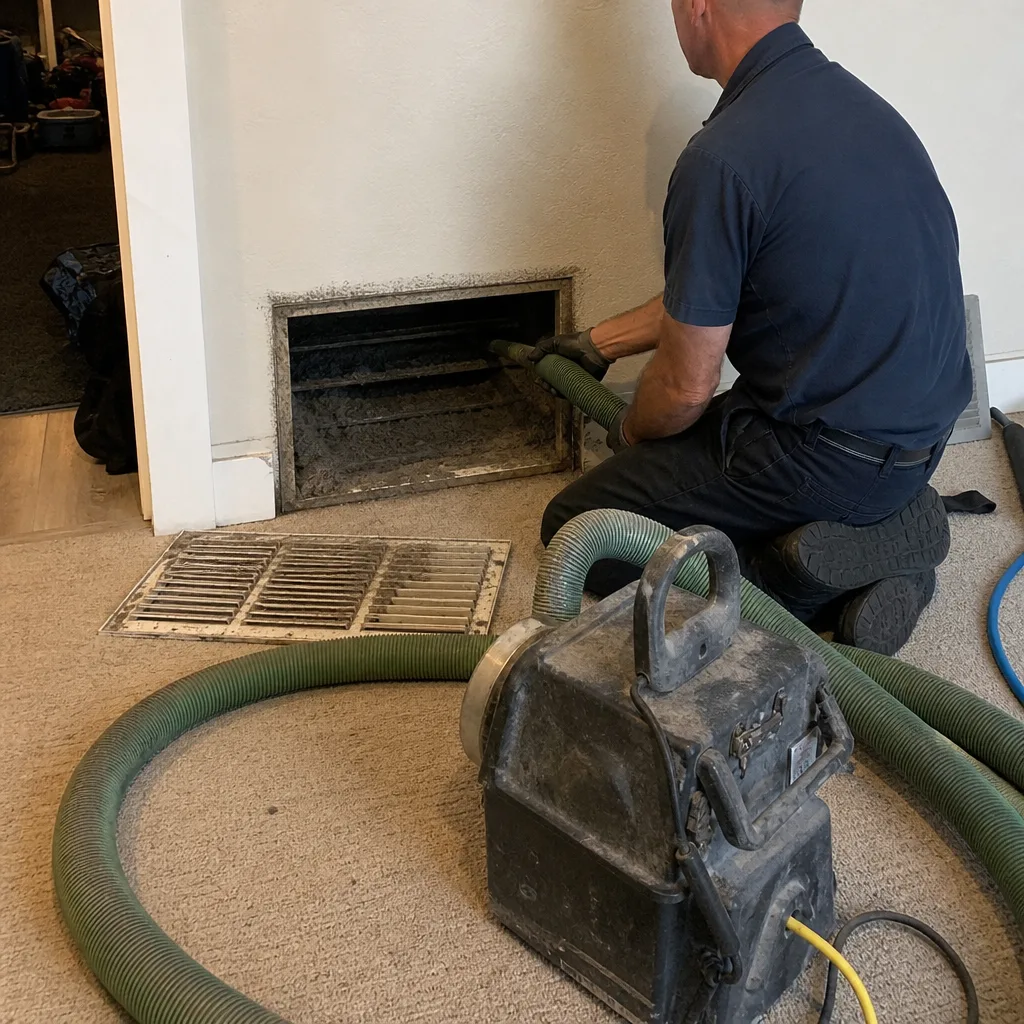 Before
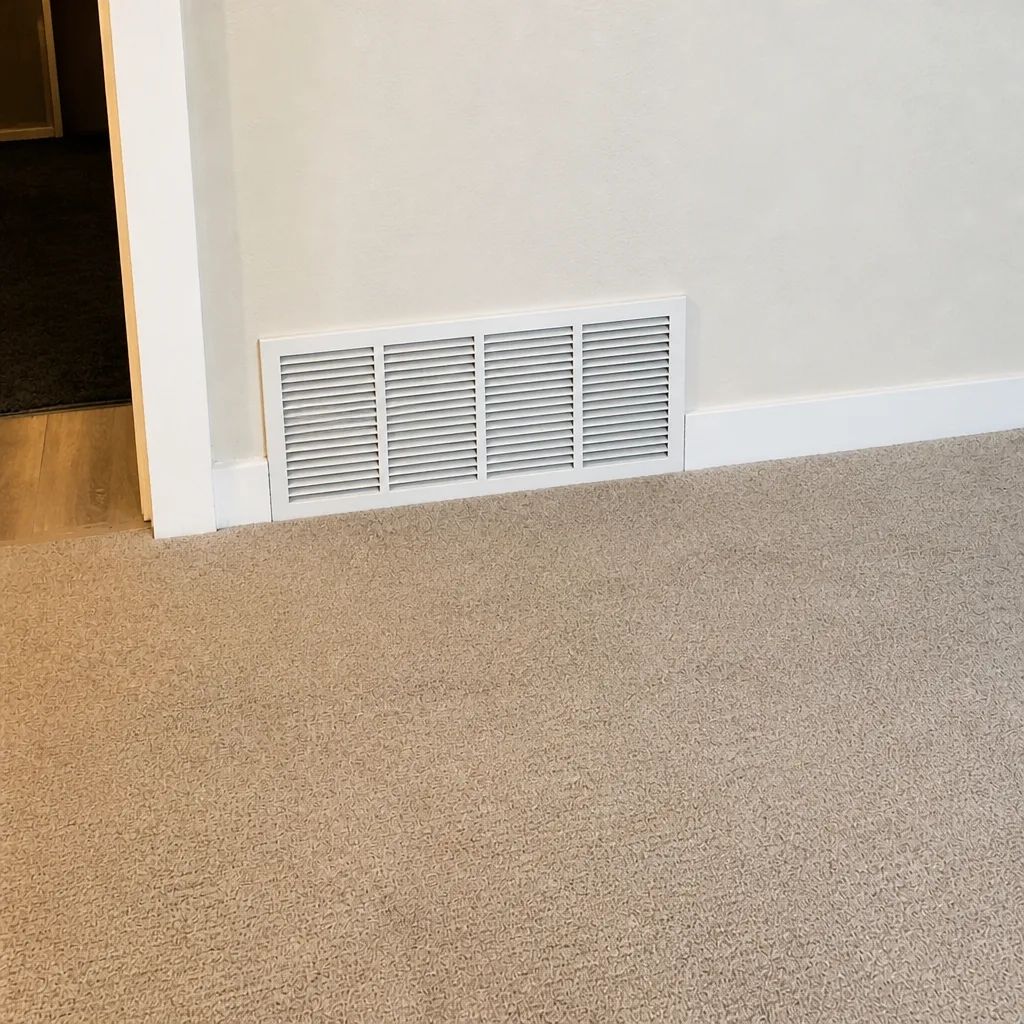 After
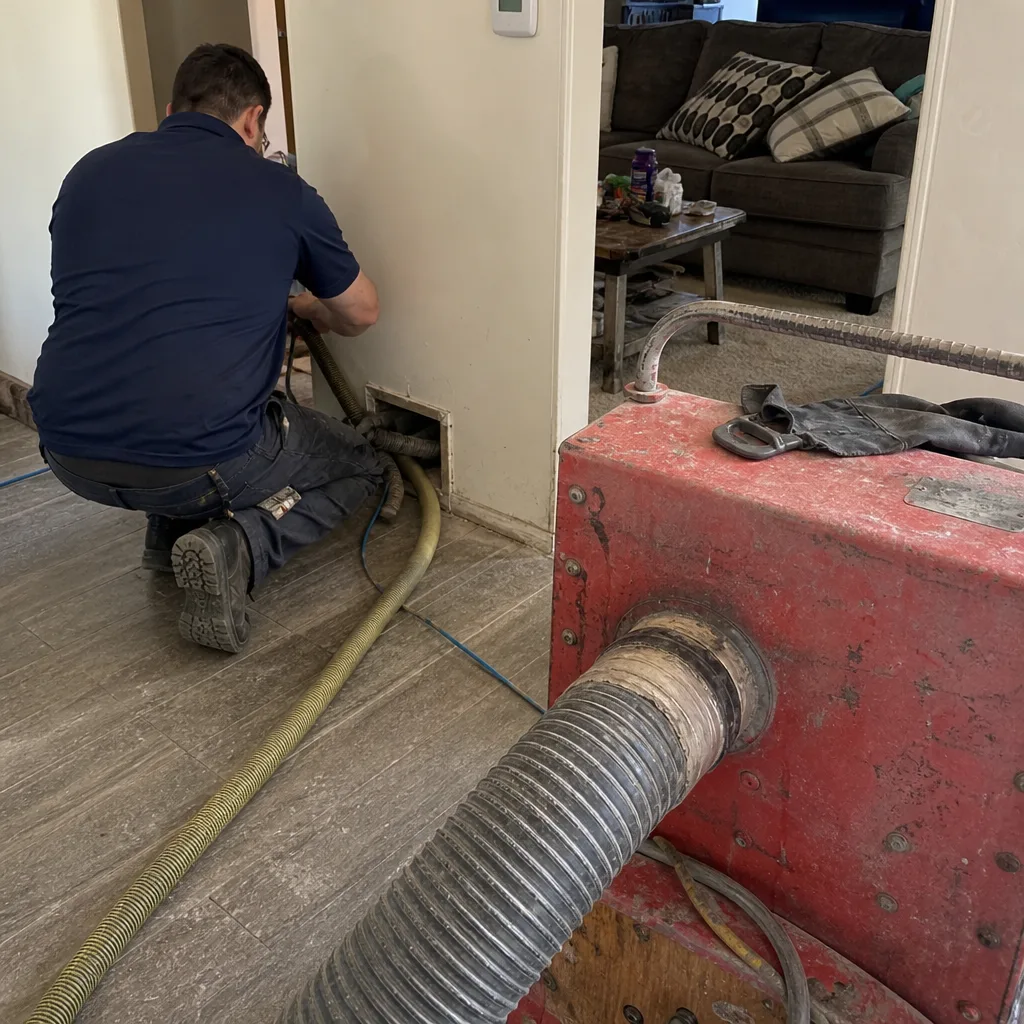 Before
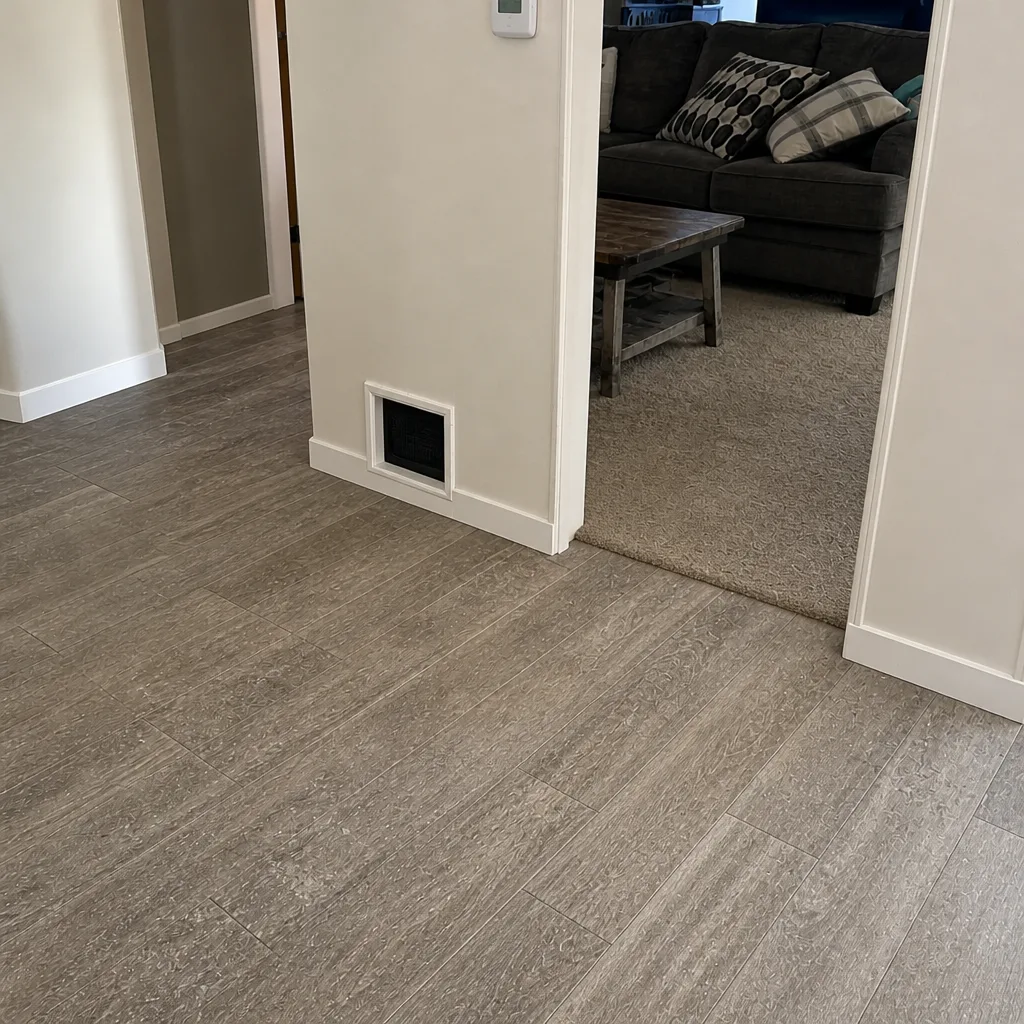 After
 Before
 After
When to Call a Professional
Call us when dust returns within a few weeks of cleaning, when airflow is weak in specific rooms, when you can see visible damage in an accessible duct run, when a musty smell persists after cleaning, or when you’re buying a home in Clearfield and want a baseline on the system before you move in. Call us before you clean if you don’t know whether the problem is dirt or a leak – we’d rather diagnose the real cause than sell you a cleaning that won’t last.
Clearfield Air Duct Cleaning offers free estimates in Clearfield. Our technicians have up to 8 years of experience, and we use Rotobrush and Nikro professional-grade equipment rather than consumer shortcuts. Call (833) 468-5771. We answer 24/7. Fast dispatch from 7am to 7pm, Sunday through Friday, and closed Saturday.
Frequently Asked Questions
The tell is timing. If the complaint is accumulating debris in the ducts, cleaning fixes it. If the complaint is dust reappearing in the house within weeks of cleaning, the ducts are leaking and the fix is duct sealing, not more cleaning. Dust on horizontal surfaces near the air handler, higher-than-expected energy bills, and lightweight dust that looks like insulation fibers all point toward leakage. Call (833) 468-5771 for an exact quote – estimates are free.
Most likely because the cleaning wasn’t the right service for the root cause. Cleaning removes debris; it doesn’t seal leaks, uncrush a collapsed flex run, fix a design imbalance, or clean the evaporator coil. If the musty smell, weak airflow, or dust pattern was caused by one of those, cleaning alone couldn’t fix it. Call (833) 468-5771 for an exact quote – estimates are free.
There’s no universal rule, but in Clearfield’s dust environment most homes benefit from cleaning every few years, and homes with pets, recent renovation, or visible debris at registers benefit more often. The bigger factor is whether the ducts are sealed – a sealed system stays cleaner much longer than an unsealed one. If you’ve cleaned twice and the dust keeps returning, the interval isn’t the problem. Call (833) 468-5771 for an exact quote – estimates are free.
You can safely inspect register covers, visible flex duct in an accessible attic, the filter, the drain pan, and accessible dampers. You cannot safely or accurately inspect the inside of duct runs beyond the first few feet, and any leak diagnosis needs a camera and a negative-pressure system. Don’t open the air handler. Call (833) 468-5771 for an exact quote – estimates are free.
Cleaning removes accumulated debris from inside the ducts using agitation-based equipment. Duct repair fixes structural problems – tears, disconnections, crushed sections, and collapsed runs. Cleaning without repair leaves the leak that refills the system; repair without cleaning leaves the pre-existing debris sealed in place. The correct sequence is inspect, clean, repair any damage found, then verify. Call (833) 468-5771 for an exact quote – estimates are free.
A quote that’s dramatically lower than the rest is usually a shorter visit with less capable equipment, or a door-opener that turns into additional charges once the technician is inside. Professional-grade equipment costs more to run, and the cleaning actually removes what’s in the system. Ask what tools are used, what scope is included, and whether the price is fixed before the work starts. One flat price per system, agreed in advance, with before-and-after photos of your own ducts is the standard to hold anyone to. Call (833) 468-5771 for an exact quote – estimates are free.
The Bottom Line
The single most useful thing you can do when your ducts are giving you trouble is diagnose before you spend. Dust returning quickly is a leak, not a cleaning failure. Weak airflow in specific rooms is a duct problem; weak airflow everywhere is usually an equipment problem. A musty smell is moisture, not dirt. Uneven temperatures are usually leakage on the affected run. And the fix that lasts is almost always clean plus repair plus seal, done as one project rather than three. In Clearfield’s dry air and inversion season, those fixes pay off twice – better air inside, and a system that isn’t pulling attic particulate through every leak. When you’re ready to know what’s actually going on, call (833) 468-5771 for a free estimate.
Written by the team at Clearfield Air Duct Cleaning.