
Last updated November 24, 2026
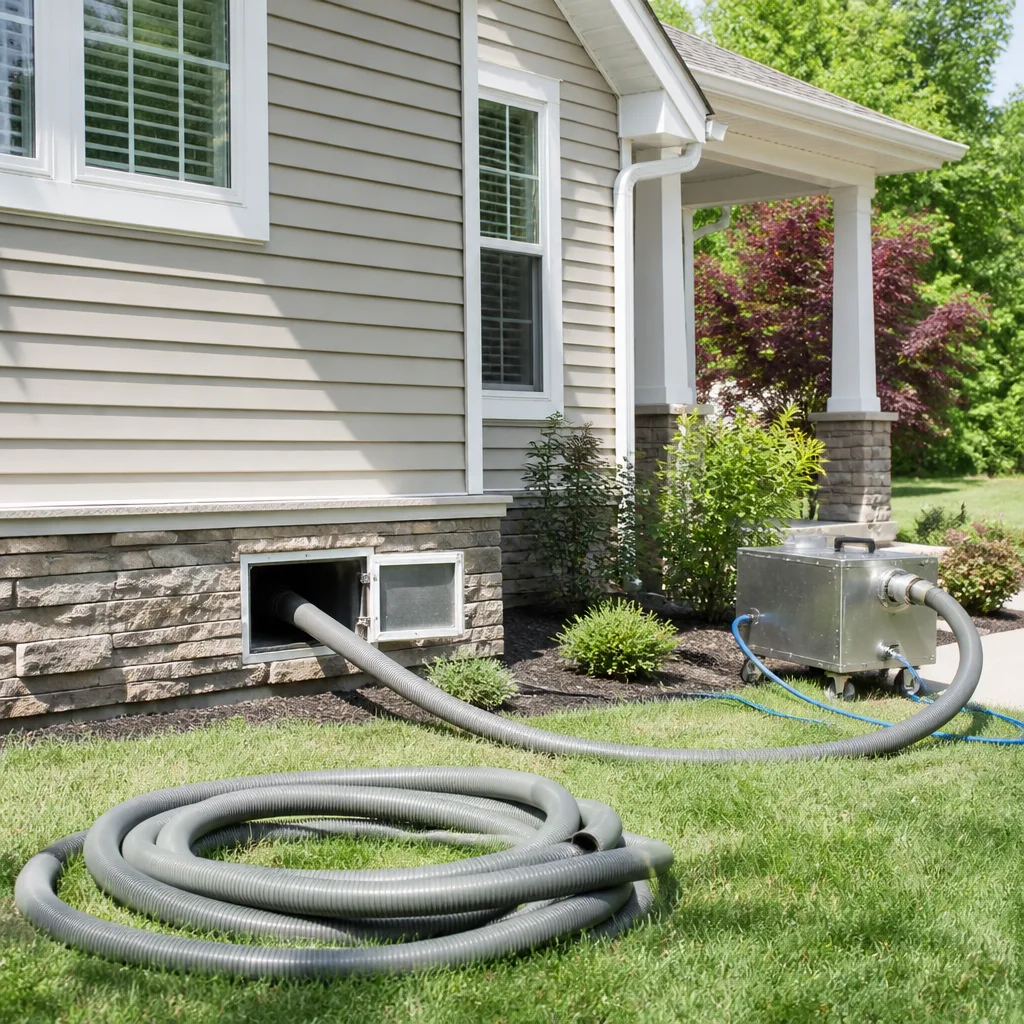 Whole-home duct cleaning
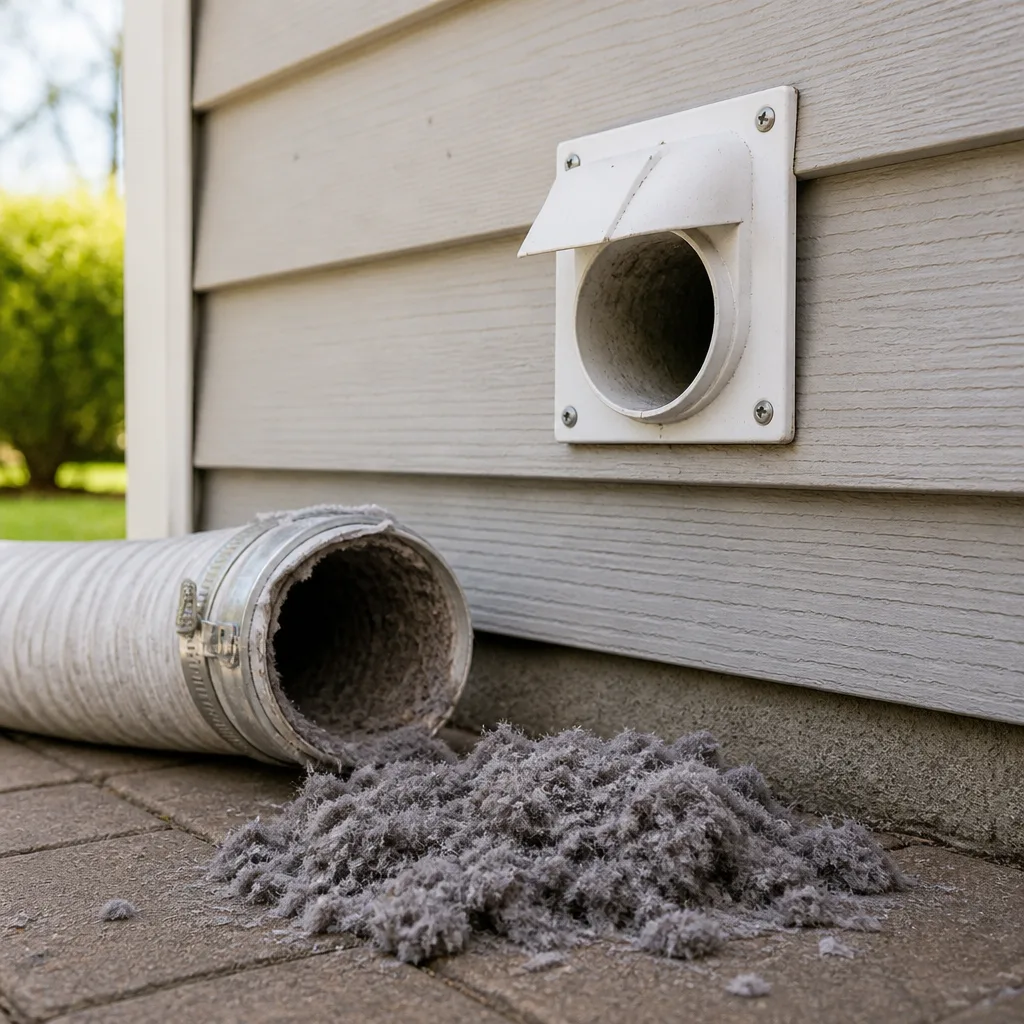 Dryer vent cleaning
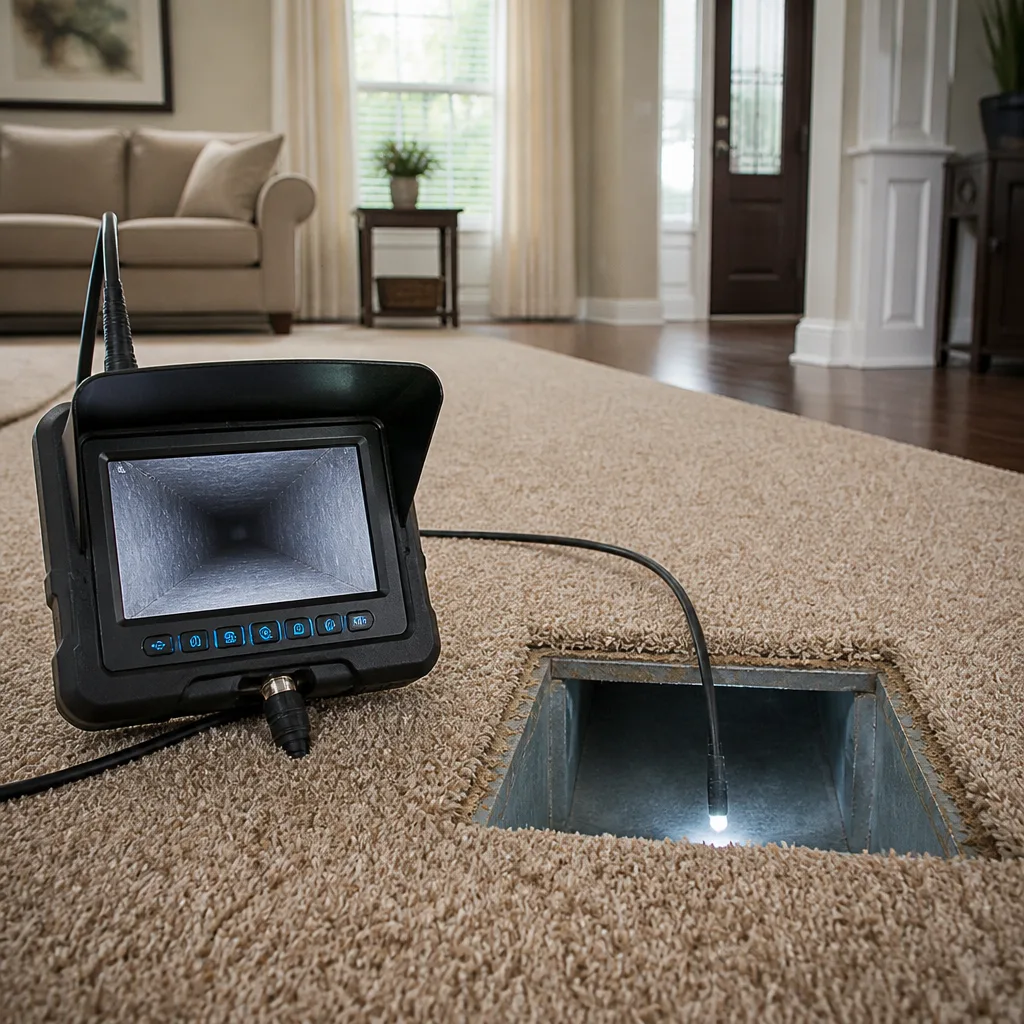 Camera inspection
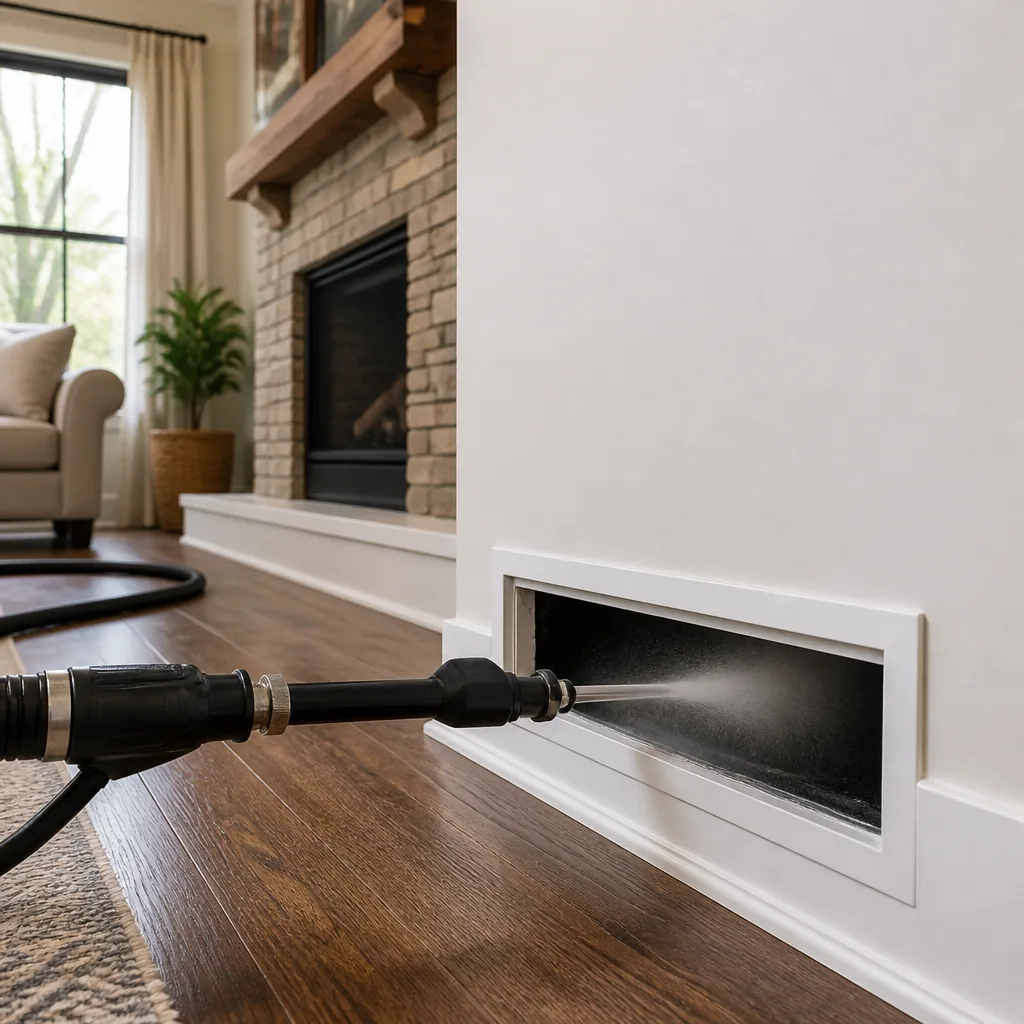 Sanitizing & deodorizing
Whole-system duct and dryer vent check with before-and-after photos - you see exactly what came out of your vents
That "$99 whole-house special" is a bait ad - the real number appears once they are in your hallway, or the "clean" is a shop-vac at the register. We photograph the inside of your ducts before and after instead.
Choosing the Right Air Duct Cleaning Brand: A Buyer’s Guide for Clearfield
When a contractor lists their equipment brand on a website, they’re betting you won’t look it up. That’s a strange bet to make in an industry where the tools do the actual work. CFM ratings, brush drive systems, and HEPA filtration stages are published specs. Anyone can compare them. A coupon tells you what a company charges. A model number tells you whether they can clean a duct at all. This guide walks through what professional-grade duct cleaning systems actually do, which specs are worth asking about, and how to tell a real Clearfield air duct cleaning operation from a crew renting a shop vac for the week.
Quick Answer
The right air duct cleaning brand in Clearfield is the one whose equipment you can verify: professional-grade machines from makers like Rotobrush or Nikro, a HEPA filtration stage, camera inspection, and full-system coverage that includes duct repair and sealing. Price should follow capability, not lead it. Any quote without a named equipment system and a written scope is worth less than the paper it’s printed on.
Styles & brands we work with
- Whole-home duct cleaning
- Dryer vent cleaning
- Camera inspection
- Sanitizing & deodorizing
Table of Contents
- Why equipment brand matters more than the price on the flyer
- What makes Rotobrush different from a plain vacuum
- The mechanical specs worth asking about
- How professional equipment handles Clearfield’s mix of metal and flex duct
- Why equipment investment signals a legitimate contractor
- Questions that surface actual equipment from rented tools
- Clean ducts are only the beginning: repair, sealing, and air quality
- From intake to outlet: what full-system service looks like
Why Equipment Brand Matters More Than the Price on the Flyer
Duct cleaning is invisible work. The technician is in the basement or the attic, the machine runs, and you never see the inside of the duct. That’s exactly why the equipment matters. It’s the only part of the job you can independently evaluate before anyone shows up. If a contractor uses a Rotobrush system, you can read what that system does and compare it to a standard shop vac or a rented unit pulling suction from one end.
Clearfield sits in a high-desert basin where summers are hot and dry and winters are cold and furnace-heavy. Homes here cycle a lot of air through their ducts over a year. That’s not a scare tactic; it’s a usage fact. A system that runs hard for two seasons needs the kind of cleaning that reaches the duct walls and dislodges what’s bonded there, not just a pull on loose dust.
Here’s the practical split. Consumer-grade vacuums and rented equipment are built to pull air. A professional duct cleaning system is built to agitate, contain, and extract at the same time. Those are different jobs. Buyers who learn the difference stop shopping by coupon price and start shopping by spec sheet.
What Makes Rotobrush Different from a Plain Vacuum
Rotobrush systems work on a different principle than a truck mount pulling suction from a single connection point. A brush on a flexible drive whip goes into the duct, agitates the dust and debris physically off the walls, and extracts it at the same time through the same passage. Meanwhile, the system maintains negative pressure so loosened particles move toward the machine rather than drifting into the room.
That combination – simultaneous agitation and extraction under containment – is the part a simple vacuum can’t replicate. If you only pull suction from one register, dust bonded to the duct surface in a distant run stays put. The vacuum moves air; it doesn’t scrub the wall.
Nikro equipment handles the other side of the job. Nikro builds the kind of professional HVAC cleaning gear commercial contractors use for contact vacuuming and contained extraction. Together with Rotobrush, that’s a two-part system: agitate what’s stuck, contain what’s freed, extract it cleanly. That’s what we mean by professional-grade equipment, not consumer shortcuts.
Why a homeowner should care about the machine name
- Brand names are verifiable. Model specs are public.
- A brush-and-extract system reaches duct surfaces a suction-only rig can’t.
- Containment keeps the dislodged debris out of your living space during the job.
- Professional equipment requires real training to operate safely around flex duct and older metal runs.
The Mechanical Specs Worth Asking About
You don’t need to understand the engineering to ask the right questions. A contractor who knows their equipment will answer these in plain terms. Someone who doesn’t will reach for a brochure.
- CFM airflow. CFM is cubic feet per minute – how much air the system moves. Ask what the machine pulls and whether it maintains proper negative pressure during the job. Too little suction and debris doesn’t leave. Too much, applied carelessly, and you can stress weaker flex runs.
- HEPA filtration stage. The exhausted air should pass through HEPA-level filtration before it returns to your home. Ask if the system has one and whether it’s changed between jobs.
- Brush RPM range. The brush drive should be tunable. Metal duct tolerates more aggressive agitation than flex. Ask how the operator adjusts for each duct type – a fixed-speed brush used the same way everywhere is a red flag.
- Camera inspection capability. A camera lets the contractor see inside the run before, during, and after. Ask if they carry one and whether they’ll show you what they found.
- Containment equipment. Negative-pressure containment, like what Abatement Technologies builds, keeps freed debris from escaping into the room. Ask whether containment is part of the job or an upsell.
Write these down before you call. Comparing three quotes against the same five questions tells you more about contractor quality than any review page.
How Professional Equipment Handles Clearfield’s Mix of Metal and Flex Duct
Homes in Clearfield don’t share a single duct type. If you live in one of the older neighborhoods off the main avenues, you may have galvanized steel trunk lines with sheet metal branches – the kind that were standard in mid-century construction and hold up well to decades of furnace cycling. Newer subdivisions on the city’s edges tend to use insulated flex duct for the branch runs, which is quieter and easier to route but far more fragile.
That’s the same city with two very different cleaning jobs. Metal duct tolerates strong agitation and a rotating brush with meaningful force behind it. Flex duct does not. Aggressive brushing can tear the inner liner, create pinholes, and start a leak that sends heated or cooled air into an attic instead of your living room.
Professional equipment solves this with variable brush drive and operator judgment. A Rotobrush operator sets RPM and brush stiffness to match the run. A suction-only truck mount used the same way in every house doesn’t have that option – it either cleans metal well and misses flex, or works gently on flex and leaves the metal untouched.
That’s why we treat duct inspection as part of cleaning, not an add-on. Knowing what’s in the run before the brush goes in is how duct integrity stays intact. And if the brush finds a tear or a separated seam, we repair what we find, right then, rather than leaving you to call a second contractor for the sealing work.
Why Equipment Investment Signals a Legitimate Contractor
Professional duct cleaning equipment costs real money. A Rotobrush system, containment gear, HEPA filtration, and Nikro extraction tools represent a five-figure investment before a company runs its first job. That’s the barrier to entry. It’s also the fastest filter you have for separating a serious operation from a seasonal one.
Fly-by-night operators work a different math. They rent a consumer vacuum for a weekend, run a coupon special, and never come back. That model works because the customer can’t see the inside of the duct. When a company buys professional systems, they’ve made a decision to be in this business beyond one summer. It doesn’t guarantee quality on its own – an operator can own good equipment and still cut corners – but the reverse is true every time. You cannot do professional-grade duct cleaning with rental tools, no matter how good the coupon.
Abatement Technologies containment systems are a similar signal. Contractors who invest in real containment gear have decided the air in your home matters during the job, not just after. That’s the difference between surface cleaning and genuine indoor-air-quality remediation.
Questions That Surface Actual Equipment from Rented Tools
Most contractors will happily name a brand. The trick is asking questions that require the equipment to actually be in their possession and understood by the person answering. A rented tool can’t pass these.
- “What brush drive system do you use, and how do you adjust it for flex versus metal?” A real operator will describe their machine and their judgment calls. A brochure reader will pivot to “we use the best equipment.”
- “What’s your HEPA filtration process, and how often do you change the filter?” Filter maintenance is the unglamorous tell. People who own the equipment know their service interval.
- “Can you show me before-and-after photos or camera footage from my own ducts?” Anyone can hand you stock photos. Anyone can say they forgot the camera. The contractor who shows you your own system’s interior is doing real work.
- “Do you carry containment equipment and use it on every job?” A yes is fine. A “only if you want it” tells you containment is optional, which means it’s not standard.
- “What’s your written scope for a job like mine, based on duct type and layout?” Prior to any work, you should have a written scope and price for the system as a whole.
- “Do you repair ducts, or just clean them?” Clean-only companies hand you off the moment they find a tear. We repair what we find, right then.
Ask these on the phone before the truck is scheduled. If the answers drift, you have your answer.
Clean Ducts Are Only the Beginning: Repair, Sealing, and Air Quality
A duct cleaning removes what accumulated. It doesn’t fix a separated joint, a collapsed flex run, or a trunk line that’s leaking twenty percent of your conditioned air into the attic. The cleaning is a starting point. What comes next determines whether the ducts stay clean and whether your HVAC system works as hard as it should.
Duct sealing closes the gaps the cleaning exposed. That means conditioned air reaches the rooms it was meant for rather than bleeding into unconditioned space. Sealing also stops new dust from migrating in through gaps and seams. Cleaning without sealing can be undone in a season.
Air quality products handle the fresh-air side. Honeywell and Aprilaire make the filtration and air-quality components that integrate with home HVAC systems, and both have long track records in home comfort. Installing them alongside a cleaning gives the homeowner one point of responsibility. There’s no handoff to a separate contractor mid-project, and no question about who’s accountable if a filter doesn’t seat right.
Sanitizing is the final step in some jobs. Guardsman-brand protection products handle the finishing pass. For homes with specific air-quality concerns, an Abatement Technologies air scrubber runs during the job to keep the working environment contained. That’s what indoor-air-quality control looks like from the inside of a service – thinking about the air during the work, not just after it.
From Intake to Outlet: What Full-System Service Looks Like
If you’re evaluating a duct cleaning brand, ask whether they see the whole system or just one part of it. Full-system service means from the return intakes through the HVAC unit through the supply outlets to the rooms. It also means the ductwork doesn’t get treated in isolation.
That matters because the same dust that sits in your ducts also collects on your blower wheel, your evaporator coil, and the inside of your air handler. HVAC cleaning handles that side of the job. Clean ducts and a dirty unit waste each other’s work. And there’s a second duct in most Clearfield homes that gets overlooked: the dryer vent. dryer vent cleaning is included in what we do because lint accumulation is a fire risk that has nothing to do with your HVAC and everything to do with your household’s safety. It’s a natural fit alongside the HVAC work.
Once the system is clean, duct repair and sealing close the gaps, and air-quality equipment keeps the air cleaner going forward. That full coverage – cleaning, repair, sealing, air quality – is what “from intake to outlet” means. The alternative is calling three different companies for three related jobs and hoping they each do their part.
If you want to know what full-system air duct cleaning looks like in a Clearfield home, start with a walkthrough. Our technicians have up to 8 years of experience with professional equipment and can give you an honest read on what your ducts need. For the broader view of how we work in this city, Clearfield Air Duct Cleaning is the place to start.
Common Mistakes to Avoid
- Choosing on coupon price alone. A coupon tells you what someone wants to charge you, not what they can do. If the price is the only thing that’s easy to verify, you’re not actually comparing contractors.
- Believing a “we use the best equipment” answer. That sentence has no content. Ask for model names, and if they can’t name one, move on.
- Skipping the camera inspection question. A contractor who can’t show you the inside of your ducts is asking you to trust something you can’t see. Ask what they found, and ask to see it.
- Hiring a clean-only company. Duct work often finds a tear or separator during cleaning. If the company can’t repair or seal what they find, you get handed off the moment the job gets harder.
- Treating flex duct and metal duct the same way. Clearfield homes have both. A contractor who doesn’t adjust their method for the duct type is risking damage that costs more than the cleaning saved.
- Assuming cleaning alone is enough. A cleaned and unsealed system picks up new dust fast. Seal the gaps or the cleaning gets undone.
- Forgetting the dryer vent. If your dryer vent hasn’t been cleaned, that’s a household fire risk that a duct cleaning appointment might not cover with every company. Ask if it’s included.
See the difference
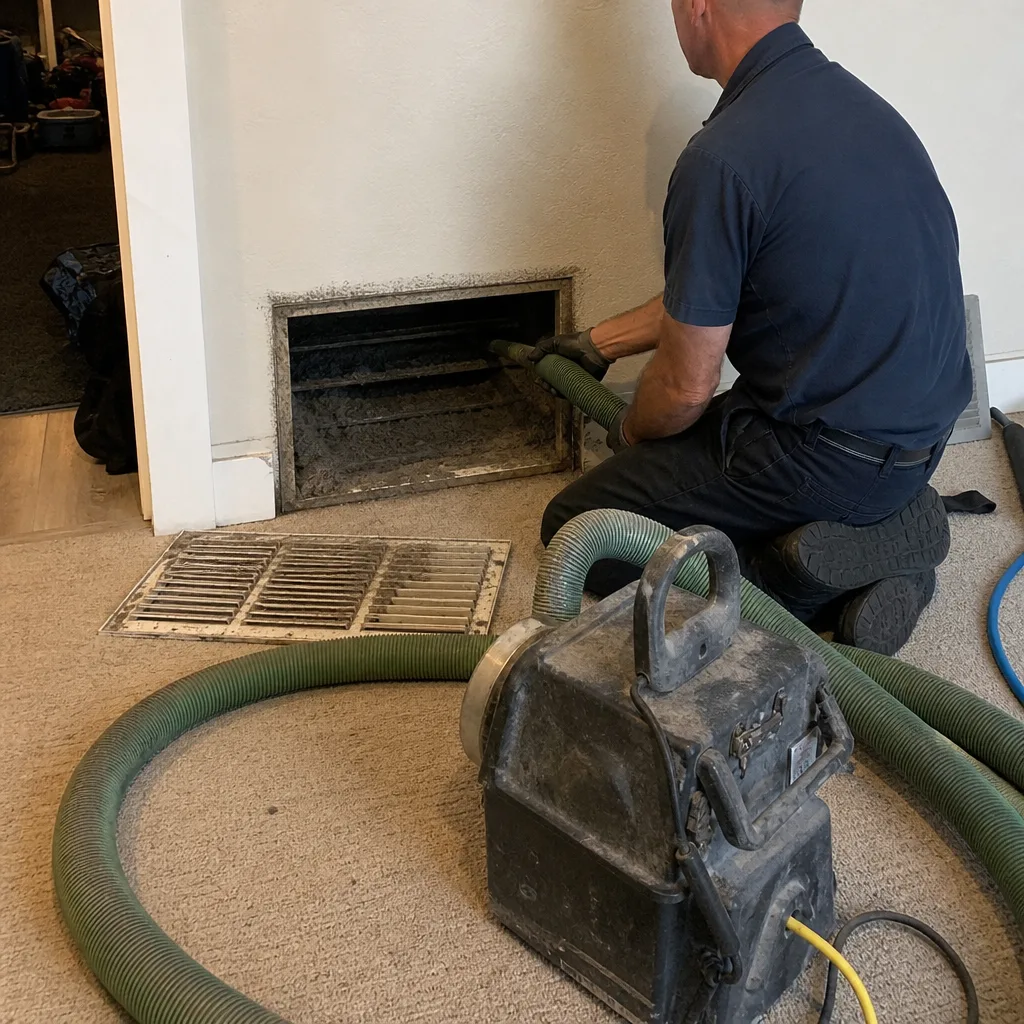 Before
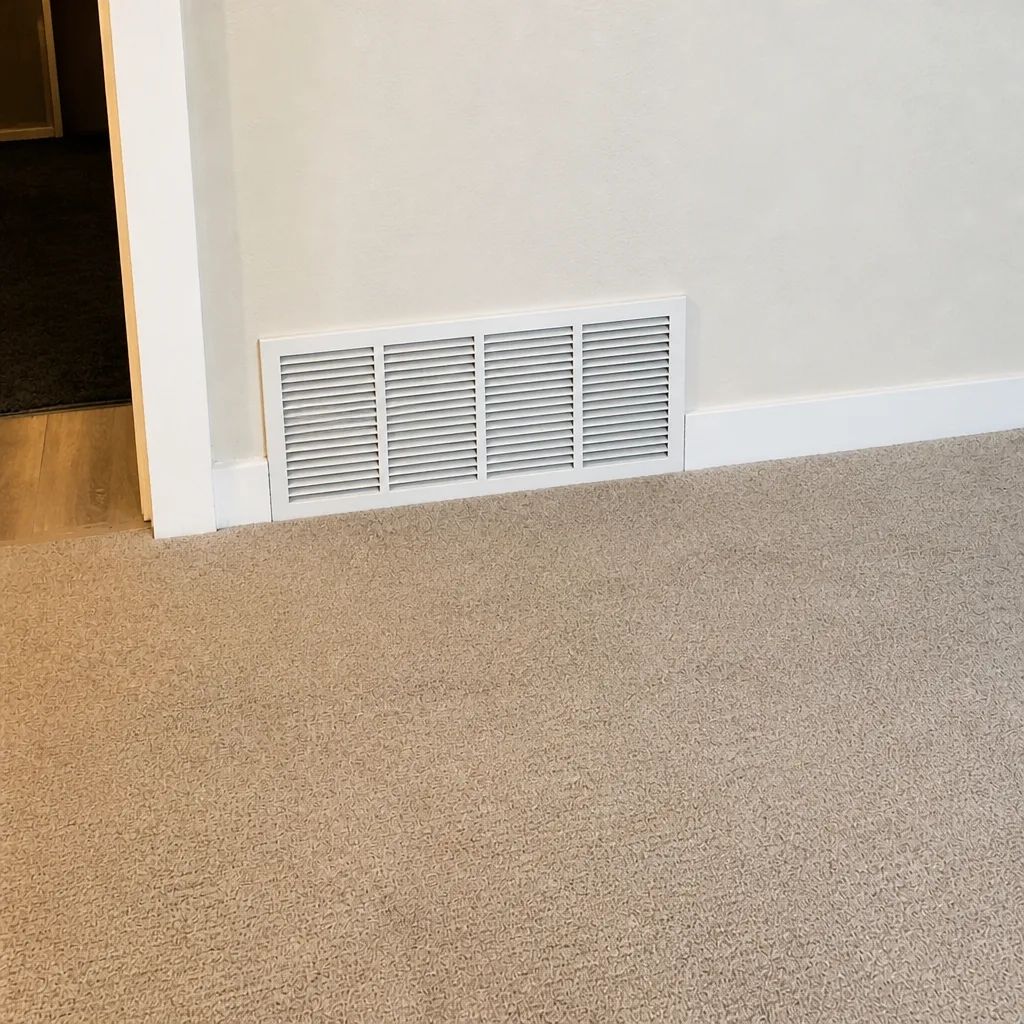 After
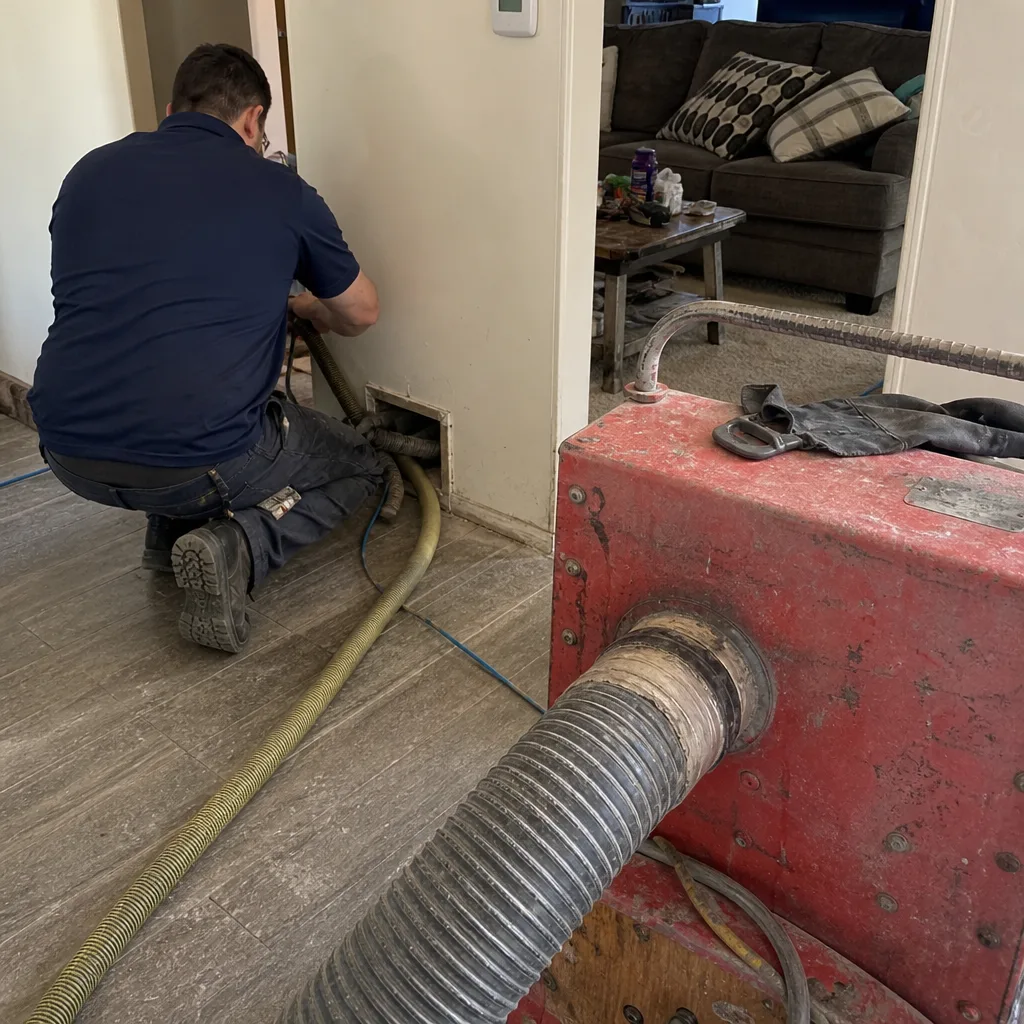 Before
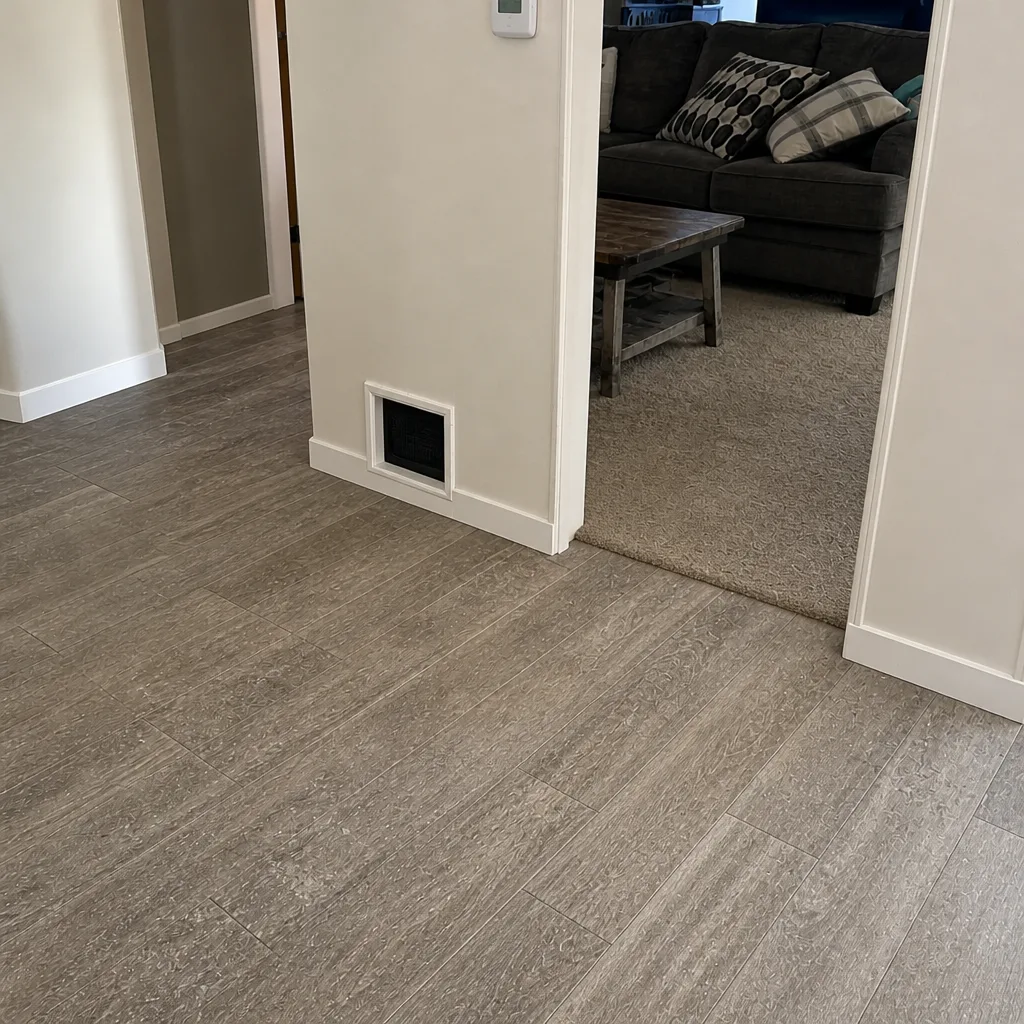 After
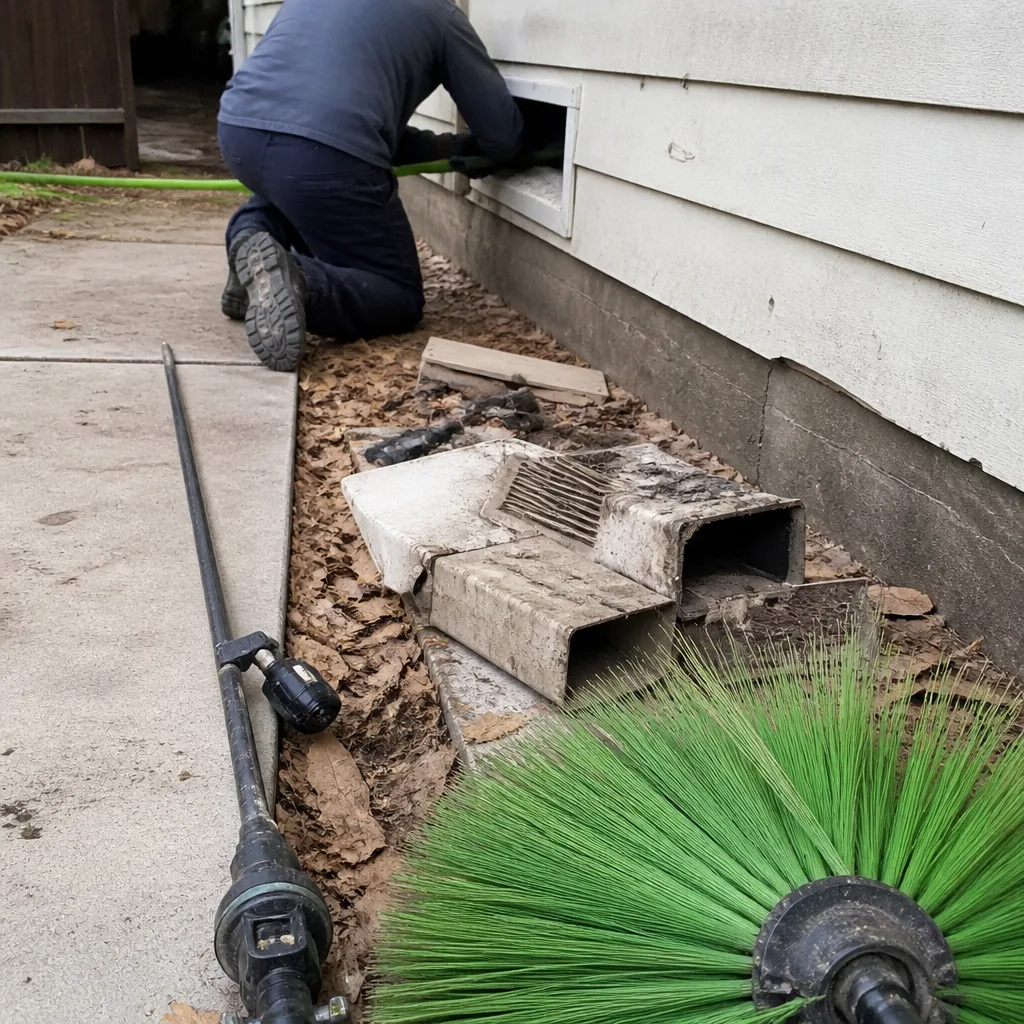 Before
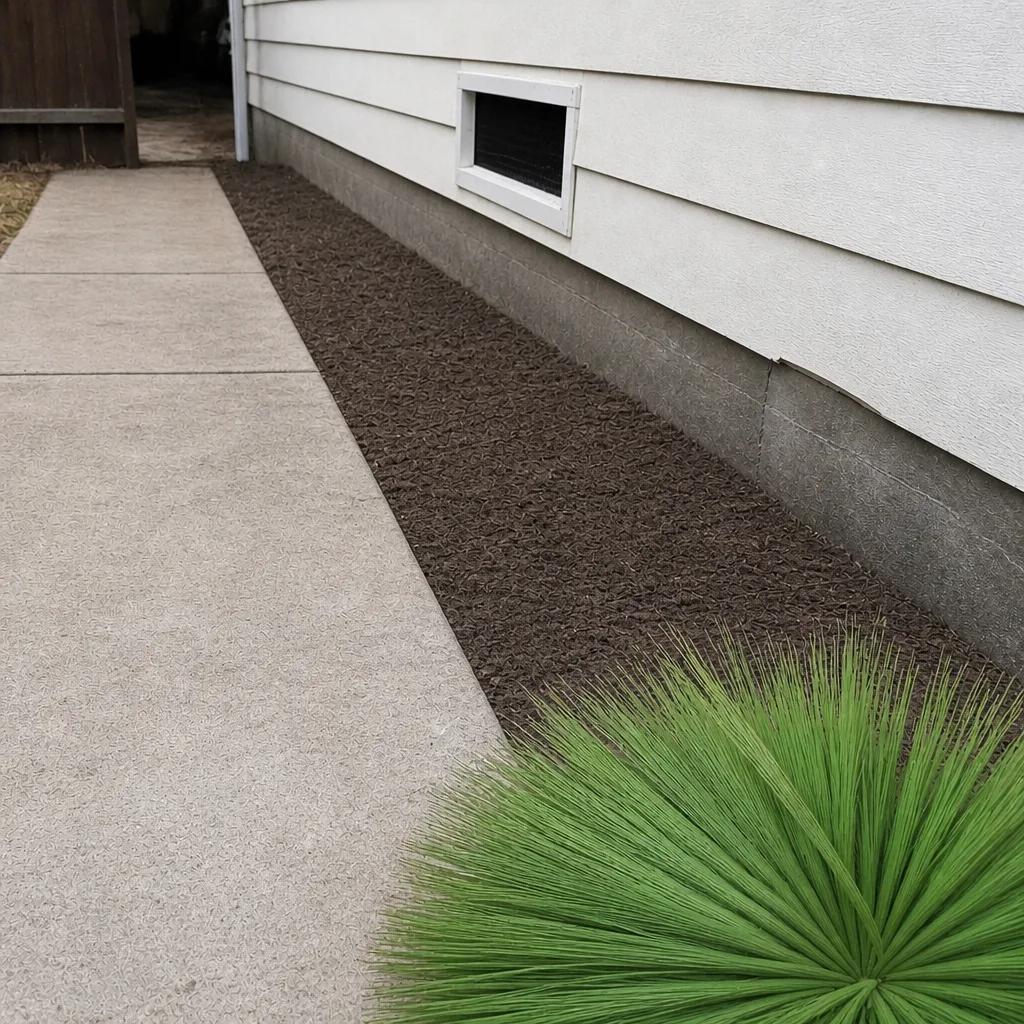 After
When to Call a Professional
Some signs say “get this looked at.” Others say “stop what you’re doing and get it looked at.” Call when you notice visible dust on the supply registers shortly after cleaning, musty smells when the system runs, or a persistent increase in dust in rooms that used to stay clean. Call when anyone in the house has escalating respiratory symptoms that correlate with the HVAC schedule. Call after major renovation work, because drywall dust and construction debris do not belong in your ductwork. Call if the dryer takes longer than it used to, which is often a lint signal. And call after moving into a home in Clearfield where you don’t have a service history for the ducts. Clearfield Air Duct Cleaning offers free estimates – call (833) 468-5771. We answer 24/7. Fast dispatch from 7am to 7pm, Sunday through Friday.
Frequently Asked Questions
Rotobrush is the industry benchmark for brush-based duct cleaning systems, and Nikro is the standard for professional HVAC cleaning extraction. Both are what commercial contractors use. Ask any Clearfield contractor which they run. For containment, Abatement Technologies builds the air-scrubbing gear that keeps debris from escaping into your living space, and Honeywell and Aprilaire handle the filtration and air-quality side after cleaning.
Duct cleaning prices are set per system, not per vent – which is the honest way to compare them. A reputable company gives you one flat price for the whole system, agreed before any work starts, based on the number of runs, the duct type, and the scope. If a quote depends on how many registers you have, or arrives after the technician is already in your home, you’re not comparing quotes. You’re comparing risk. Call (833) 468-5771 for an exact quote – estimates are free.
Cheap quotes usually correspond to simpler equipment, no containment, no camera, and no repair capability if something turns up. The work gets done with a shop vac and a suction hose, which cleans the loose dust and leaves the bonded material on the duct walls. It’s not the same job. The best way to tell what you’re being quoted is to ask the equipment questions in this guide. Call (833) 468-5771 for an honest comparison.
Ask for before-and-after photos or camera footage of your own ducts. Every reputable contractor has this. Seeing the inside of the run before the brush goes in and after extraction is the standard verification. A contractor who can’t or won’t provide it has told you what you need to know about their process.
Most Clearfield homes fall in the range of every three to five years. Homes with pets, recent renovation work, allergy-sensitive occupants, or heavy seasonal furnace use sit on the shorter end. A full-system check every few years is reasonable. Dustmite allergies, humidifiers running year-round, or refinished floors all push the schedule up.
Some can, most can’t. A clean-only company will find the tear, show it to you, and hand you off to a separate contractor. A full-system company repairs what they find, right then, and seals the run before finishing. Ask on the phone before you book.
The Bottom Line
Choosing the right air duct cleaning brand in Clearfield comes down to the equipment you can verify. Rotobrush brush-and-extract systems do what a suction-only truck mount can’t: agitate dust off the duct wall, contain it, and extract it in one pass. The spec questions – CFM, HEPA filtration, brush RPM range, camera capability, containment – separate real contractors from coupon operations faster than any review page. Combine that with full-system capability that includes repair, sealing, and air-quality products, and you’ve got a contractor who can see the whole job through. From intake to outlet, that’s what good work looks like.
Call (833) 468-5771. We answer 24/7. Fast dispatch from 7am to 7pm, Sunday through Friday. The estimate is free, the price is set per job, and the written quote goes in your hands before any work starts.
Written by the team at Clearfield Air Duct Cleaning.