
Last updated November 24, 2026
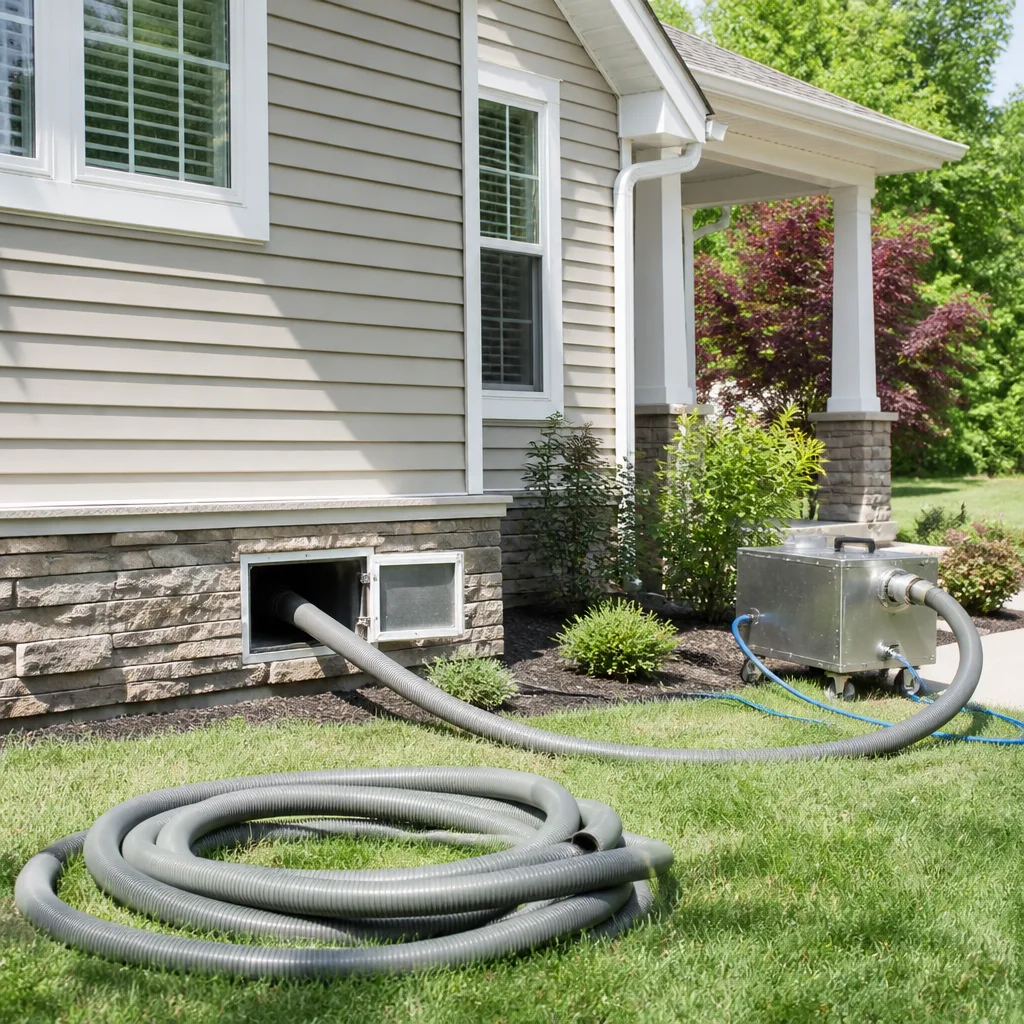 Whole-home duct cleaning
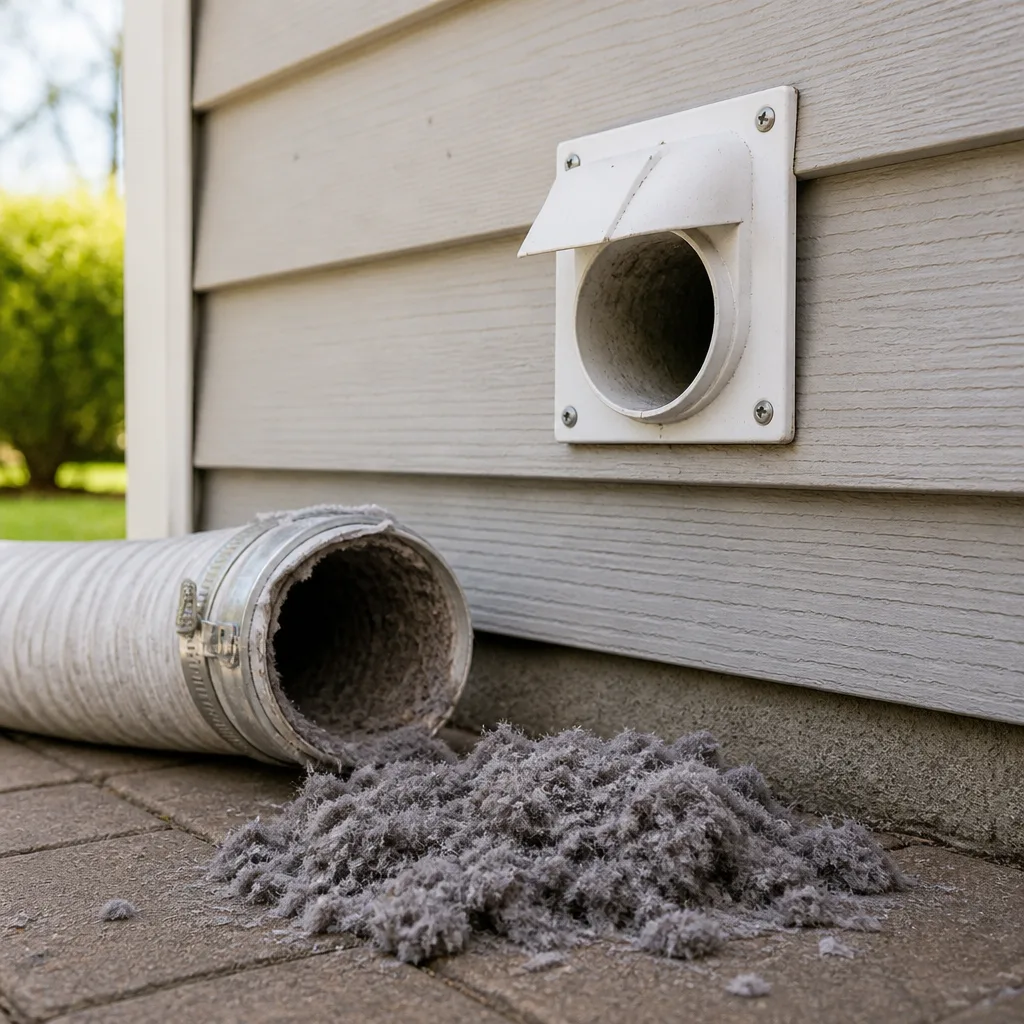 Dryer vent cleaning
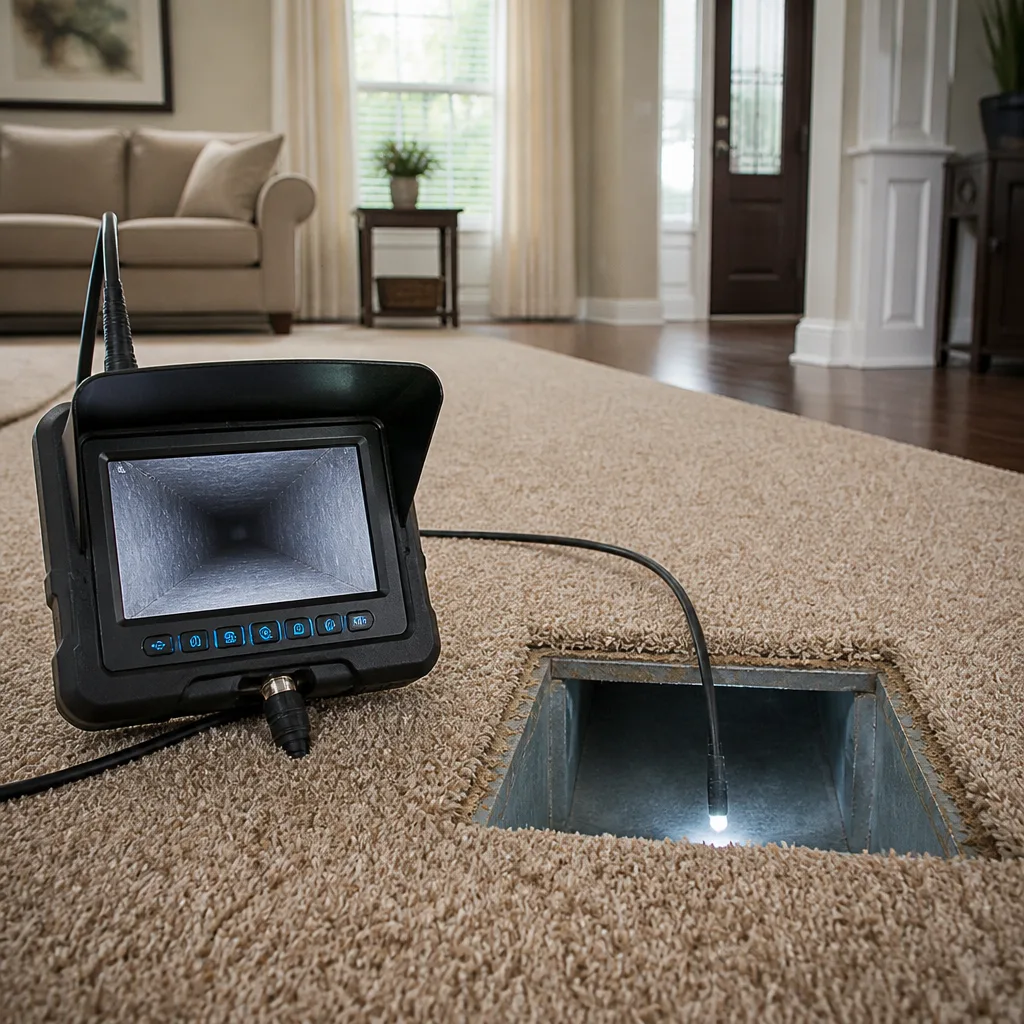 Camera inspection
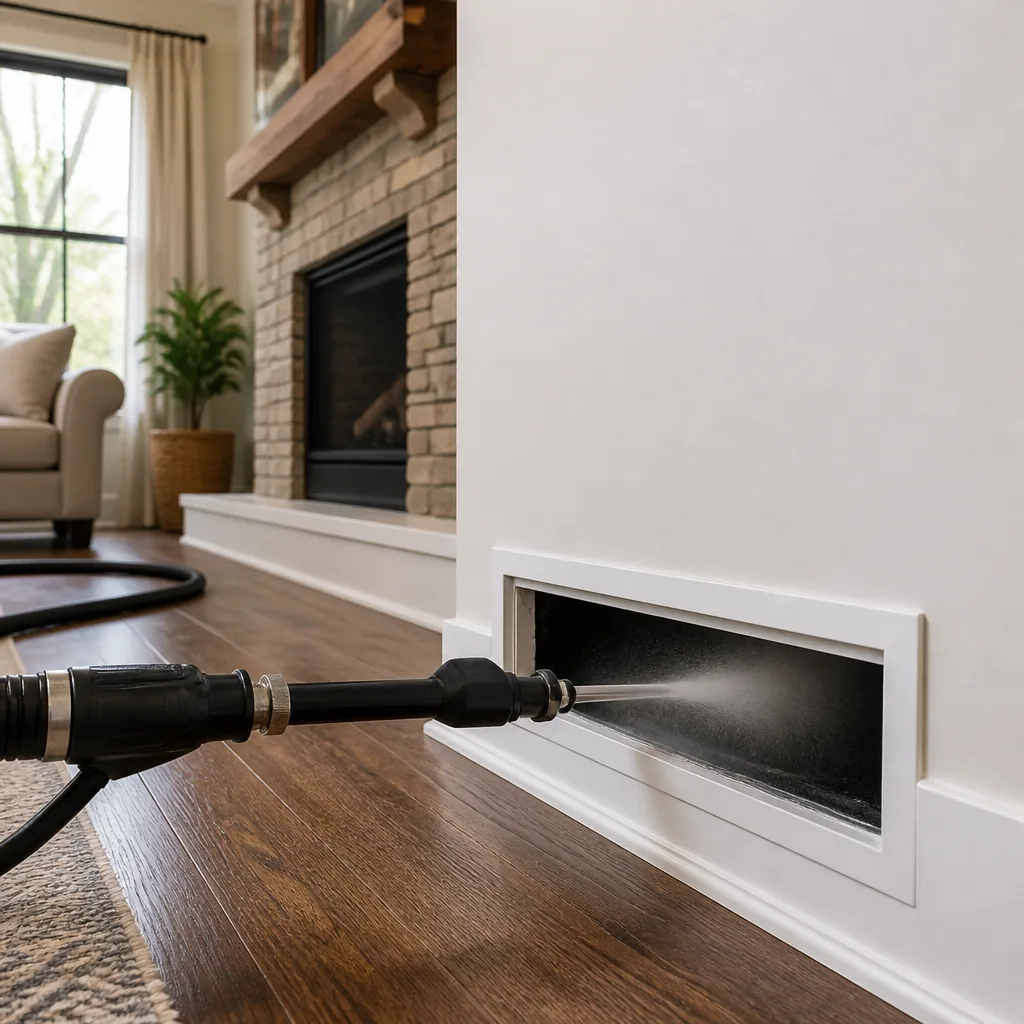 Sanitizing & deodorizing
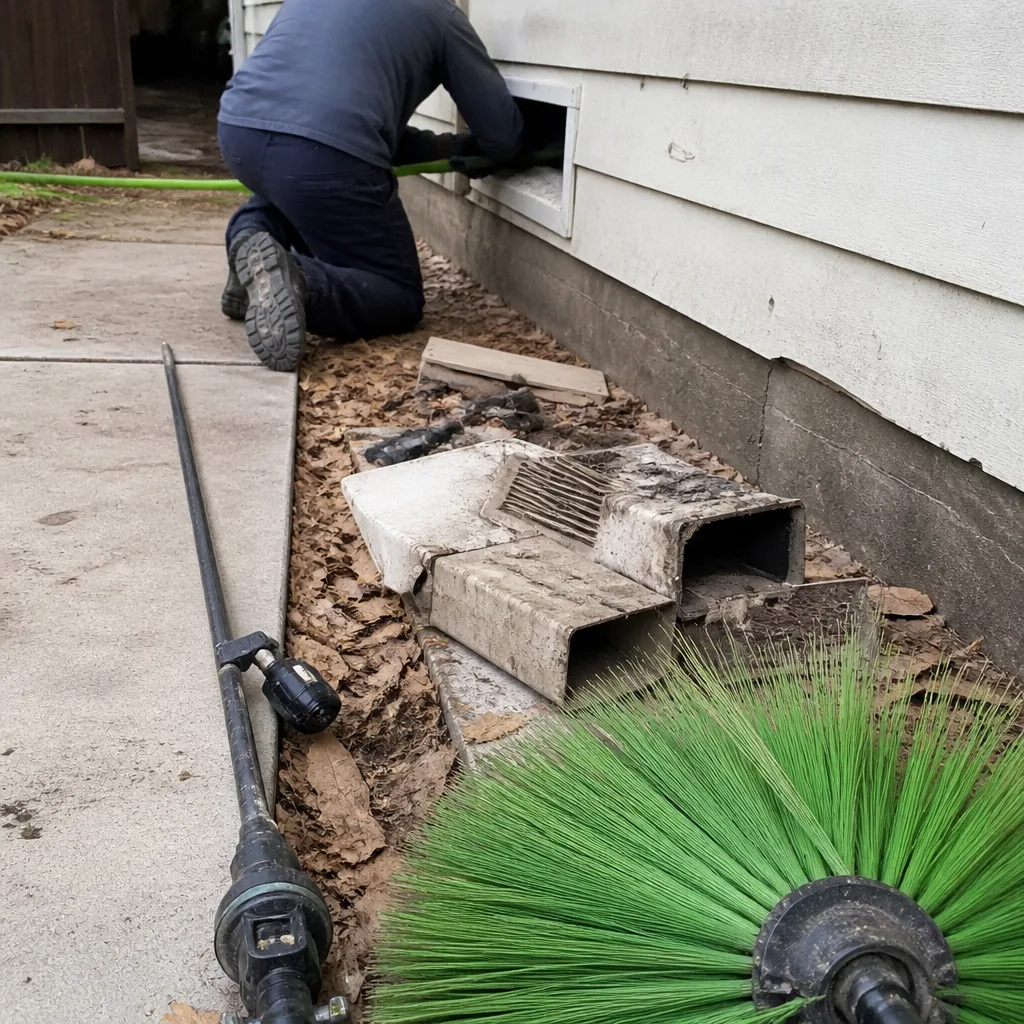
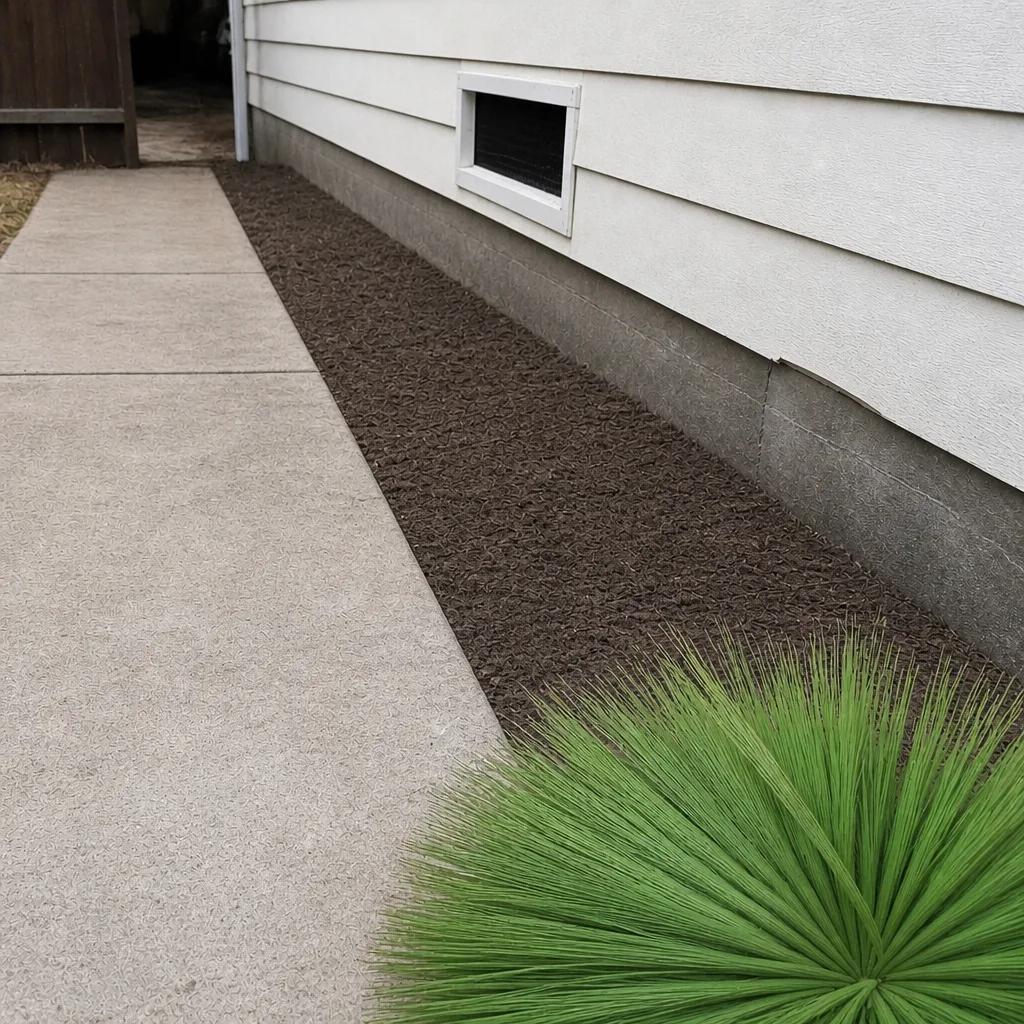
Whole-system duct and dryer vent check with before-and-after photos - you see exactly what came out of your vents
That "$99 whole-house special" is a bait ad - the real number appears once they are in your hallway, or the "clean" is a shop-vac at the register. We photograph the inside of your ducts before and after instead.
Air Duct Cleaning Warning Signs: A Clearfield Homeowner’s Reference Guide
Most homeowners picture a duct problem as a dramatic event: a visible cloud of dust, a strange noise from the walls, a sudden breakdown. In our experience, that’s almost never how it happens. The signs show up small and get dismissed as normal. Dust returns faster than it should. One upstairs room in a Clearfield split-level never quite warms up. There’s a faint smell when the furnace kicks on. Any single one of these feels harmless on its own. Read together as a pattern, they point clearly to a specific condition inside your duct system. This guide walks through every one of those signals, explains what each actually means, and shows you how to tell a real problem from ordinary household wear.
Quick Answer
Air ducts in a Clearfield home typically need professional cleaning when you notice a repeating pattern: dust settling on surfaces within about 48 hours of a cleaning, rooms that stay too hot or too cold regardless of thermostat settings, a musty or burnt smell on startup, visible debris at the registers, or unexplained bill spikes during a stretch of steady weather. Any two or three of these signals together justify a professional inspection. One occasional sign on its own usually doesn’t.
Styles & brands we work with
- Whole-home duct cleaning
- Dryer vent cleaning
- Camera inspection
- Sanitizing & deodorizing
Table of Contents
- The 48-Hour Surface Test: Normal Dust vs. Recirculated Debris
- What Uneven Room Temperatures Actually Tell You About Your Ductwork
- Reading the Smells: Musty, Burnt, and Chemical Odors Explained
- Pest Activity in Ductwork: Early Signs Before a Full Infestation
- Utility Bill Spikes During Stable Weather: A Duct Inspection Prompt
- What You Can See at the Registers and Vents
- Why Clearfield Conditions and Home Construction Make a Difference
- What a Professional Duct Inspection In Clearfield Should Involve
The 48-Hour Surface Test: Normal Dust vs. Recirculated Debris
Here’s the test that settles the question faster than any other: dust a hard, dark surface, leave it alone for two days with the system running normally, and look again. A fine, even film of settled dust is ordinary. A visible layer that returns thick enough to wipe with a finger is not. That’s your ductwork redistributing its own contents on every fan cycle.
Every time your furnace or air conditioner blower runs, it pushes air through the supply ducts and pulls return air back through the system. If the ducts hold accumulated dust, debris, or biological growth on their interior walls, that debris gets picked up and carried into the rooms. The housekeeping you’ve been doing isn’t failing. You’re cleaning the surfaces while the source keeps refilling them.
How to tell the difference:
- Normal dust: a light film that builds over a week or more, heaviest near entryways, often with fiber traces from fabrics and carpet.
- Recirculated duct debris: returns within 48 hours of a full cleaning, gathers near supply registers and directly under ceiling vents, often has a gritty texture, and appears in rooms nobody uses heavily.
- Aggravated recirculation: debris returns even faster, and someone in the household notices more sneezing or coughing after the system cycles on. That pattern usually points to duct interior condition rather than a filter issue alone.
Filter maintenance matters, but don’t confuse it with cleaning. A fresh filter catches what passes through it; it doesn’t clean what’s already settled in the ducts. The accumulation test is the diagnosis. Professional air duct cleaning is the treatment when the test keeps failing.
What Uneven Room Temperatures Actually Tell You About Your Ductwork
If one room in the house never holds temperature while the rest of the house is comfortable, most people blame the HVAC unit or the thermostat. In a lot of cases, the real cause is a restriction inside the duct run serving that room. Air can’t reach the register in the volume the system designed for it, so the room stays starved while the rest of the house overshoots.
The three restriction patterns we look for:
- A single room that’s always off: a partial block or disconnected joint on the branch serving that room. Debris accumulation, an object that fell through the duct, or a separated section at a junction all cause this.
- An entire floor that’s off: a trunk line restriction, an under-sized or crushed run feeding that zone, or a significant leak before the branch splits. In a Clearfield basement-plus-main-floor layout, this shows up as a whole floor lagging behind the rest of the house.
- Rooms that fluctuate together: usually a balancing problem, but if it’s new behavior during stable outdoor weather, look for duct blockages first.
Duct blockages cause another symptom most homeowners miss: air pressure imbalance. A restricted supply run pushes more air down other branches, which can make the system louder, cycle oddly, and wear harder. Cleaning addresses the accumulated restriction. Duct repair and sealing addresses the leaks and separations that cleaning alone can’t fix. Both are worth checking at the same time, which is why we handle the full system rather than handing a customer off halfway through.
If your Home Energy Assessment or utility program ever surfaces duct tests in Clearfield, the underlying logic is the same: measure airflow to each room, find the restriction, correct it.
Reading the Smells: Musty, Burnt, and Chemical Odors Explained
Your nose is one of the best duct-system diagnostics you have, precisely because smell traces air that’s coming from inside the system. The key is to identify the profile and then treat it as a clue rather than a nuisance.
- Musty or damp-earth smell: usually points to moisture inside the duct system. In Clearfield’s climate, humidity swings from very dry to seasonally wet, and ductwork that sees condensation or slow leaks can grow biological material. Mustiness on startup is a strong indicator that cleaning will find something.
- Burnt or hot-metal smell: often an electrical or motor component wearing, sometimes a sign the blower is struggling against a restriction. This one is a safety consideration; a professional should look at the whole system, not just the ducts.
- Chemical or synthetic smell: new-building off-gassing, adhesives, or duct materials reacting to heat are common sources. Air sanitizing and duct cleaning together typically resolve it.
- Stale, flat, “closed-in” air: the most subtle. Often a sign that the system is recirculating old air with limited fresh exchange, which can accompany a duct performance problem.
What you don’t want to do is mask the smell. Air fresheners and plug-ins make the problem invisible while the source keeps circulating. The fix starts with the source: clean the ducts, address any moisture, then restore air quality deliberately. That’s why we install and service Honeywell and Aprilaire air quality products, because cleaning alone doesn’t keep the problem away.
Pest Activity in Ductwork: Early Signs Before a Full Infestation
Ductwork is a protected highway for pests: insulated, dark, and connected to crawlspaces, attics, and exterior vents. When a duct system has seams, loose joints, or rodent-screen gaps, insects and small rodents find it. Early detection prevents a full-blown problem.
Early signs worth catching:
- Small droppings near registers or in the furnace room. Mice leave small dark pellets; inspect corners near the air handler and behind registers.
- Scratching or skittering in the walls or ceiling, especially after the blower shuts off. Air movement disturbs them and the noise often follows.
- Staining at exposed duct joints or around attic transitions. Rodent activity leaves rub marks and residue.
- Sudden allergic or respiratory sensitivity in one area of the house. It suggests pest residue being recirculated by the system, and should be investigated promptly.
- Chewed insulation or duct wrap. Visible from the attic or crawlspace, this is both a pest sign and a duct-integrity problem.
Our experience in Clearfield has been that duct integrity issues and pest access often arrive together. Sealing a duct leak also closes an entry point. Duct repair and sealing should be part of any pest-related duct cleanup, not an afterthought.
Utility Bill Spikes During Stable Weather: A Duct Inspection Prompt
When a utility bill jumps during a stretch of steady weather, most people tweak the thermostat, blame the recent rate change, or assume the AC or furnace is on its way out. Before you call for HVAC repair, look at the duct system. A sudden, unexplained spike during weather that didn’t change is one of the strongest under-recognized signs of a duct problem.
Why this happens:
- Leaks. Failed seams, disconnected joints, and degraded duct wrap all let conditioned air escape where you’re not getting benefit from it. The system runs longer to compensate.
- Restrictions. Blocked or collapsed runs reduce airflow, making the system work harder and cycle less efficiently.
- Dirty coils and blower. Buildup in the air handler and coil surfaces has the same effect on efficiency as a partially clogged duct.
Compare two or three billing cycles against the same period in prior years, factoring out rate changes. When usage is up but habits and weather are flat, the ductwork is a legitimate suspect. If a customer calls us with this pattern, we run HVAC cleaning as part of the inspection, because the ducts are one part of a system where the coils, blower, and ductwork all affect performance.
What You Can See at the Registers and Vents
Most of the duct system is hidden, but a few places reveal the truth: the registers, the return vents, the furnace room, and any exposed ductwork in the attic or crawlspace. A flashlight and a careful look are worth more than a thousand words of guessing.
- Dark buildup on register grilles. A film is normal; a thick, uneven coating or visible debris hitting your face when you look inside is not.
- Dust plumes or visible debris drifting from a register. A strong sign of accumulated debris, particularly after a recent cleaning that didn’t cover the entire system.
- Loose tape, disconnected joints, collapsed flexible duct. These are duct integrity failures that reduce performance and invite debris accumulation.
- Mold-like staining on duct interior walls. Look at a return vent with a flashlight; visible staining on the interior surface is a signal to call for inspection.
- Insulation falling off exposed ducts. Adhesive failure on duct wrap is common; it also dumps debris into the duct path.
Exposed duct runs in attic and crawlspaces are the easiest to inspect. The rest is why a professional visit pays for itself as a diagnosis rather than a cleaning alone.
Why Clearfield Conditions and Home Construction Make a Difference
Not all duct problems look the same. In Clearfield, the character of housing stock, climate, and layout make specific patterns more likely than what a homeowner would read in a generic national article.
- Seasonal swings from dry to wet. Northern Utah’s climate runs dry much of the year and swings into wetter stretches. That humidity cycling causes condensation inside ducts and near air handlers, which feeds biological growth and loosens tape and mastic over time.
- Warm, dry summer air with intensive AC use. Air conditioning runs hard for extended stretches, so any debris in the ducts gets recirculated far more times per season than in a milder climate. The 48-hour surface test is even more telling in Clearfield.
- Split-level and basement homes. Older Clearfield neighborhoods tend to have split-level and basement layouts with long, simple duct runs and generously sized trunks. The flip side: those runs often span decades of accumulated debris with very little access for cleaning.
- Attic ductwork exposed to temperature extremes. Flexible duct in the attic expands and contracts seasonally, which is where you find loose joints and detached sections first.
- Longer heating seasons. Heating systems that run for much of the year move more air through the ducts, so accumulation happens faster than in mild climates.
When we work in Clearfield, we plan duct cleaning, duct repair and sealing, and HVAC cleaning as a package because these conditions tend to overlap. Rotobrush agitation-based duct cleaning is a strong fit for older, longer runs; Abatement Technologies containment and air scrubbing keeps the debris from being redistributed into the living space during the cleaning itself.
What a Professional Duct Inspection In Clearfield Should Involve
A proper inspection is not a quick glance through a register. Here’s the standard sequence we follow, and what you should expect from any professional.
- Access and visualize the system. Every register, return, and accessible run is checked, plus the air handler cabinet and coil. A camera can be used if a section is enclosed and inaccessible.
- Assess duct integrity. Joints, tape, mastic, and duct wrap are checked for separations, and any leaks are documented.
- Evaluate airflow. Airflow measurements per room and at the air handler tell the professional whether restrictions exist and where.
- Check for contamination and moisture. Visible debris, staining, biological growth, and any moisture readings are recorded.
- Contain the work area. Abatement Technologies containment and air scrubbers are standard, because a cleaning without containment just redistributes the problem.
- Clean, then restore. After cleaning, sealing any leaks, replacing insulation where needed, and installing filtration products (Honeywell, Aprilaire) restores performance and prolongs benefit.
Ask for before-and-after photos of your own ducts before any work starts. A crew that offers a coupon-driven price and won’t show you the results of the actual system is a red flag. The full-system approach is what distinguishes air duct cleaning in Clearfield done properly from a surface touch-up.
Common Mistakes to Avoid
- Treating the 48-hour dust test as normal. Suggesting the house is just dusty ignores the real cause. A return within 48 hours means the ducts are the source. Call for a free inspection instead of buying another air purifier.
- Assuming a newer HVAC unit solves duct problems. A high-efficiency furnace on poor ductwork still underperforms. In Clearfield, where seasonal demand is strong, a new unit on aging ducts wastes the investment.
- Booking a cleaning from a coupon. A low teaser price usually means a surface-only pass with a mid-visit add-on. Professional-grade equipment (Rotobrush, Nikro) and a full-system with containment (Abatement Technologies) is the bar to look for.
- Skipping duct repair and sealing when cleaning reveals problems. Cleaning without sealing leaves leaks that refill the system. Include repair and sealing in the same project to avoid paying twice.
- Ignoring pest signs. Droppings and scratching around registers and the furnace room point to a duct-integrity problem; sealing closes the entry point. Waiting turns a small issue into a removal project.
- Masking odors instead of finding the source. Air fresheners hide the smell while the underlying moisture or debris issue continues to circulate. That’s a health and comfort problem, not a scent problem.
- Skipping dryer vent cleaning because “the ducts are clean.” The dryer vent is a separate system and one of the most overlooked fire risks in the home. Add it to the same visit and check it off.
See the difference
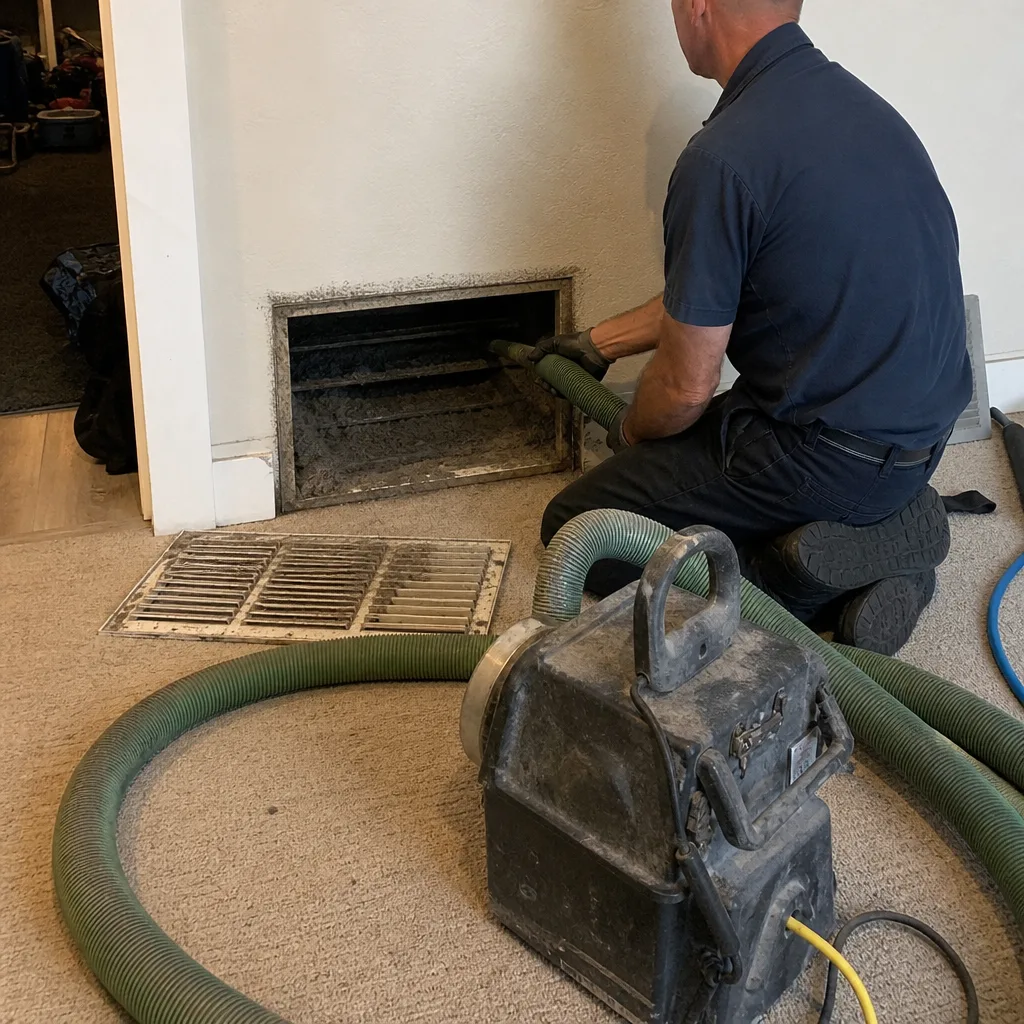 Before
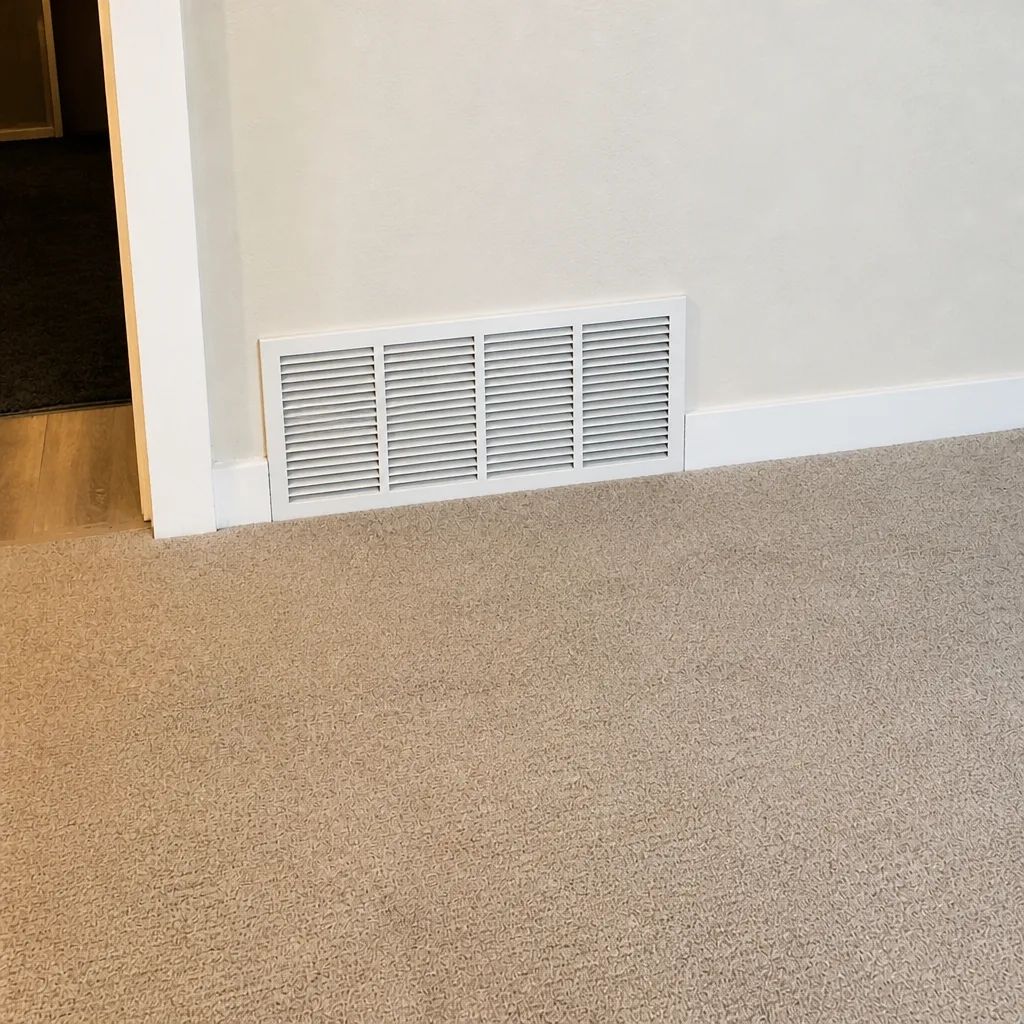 After
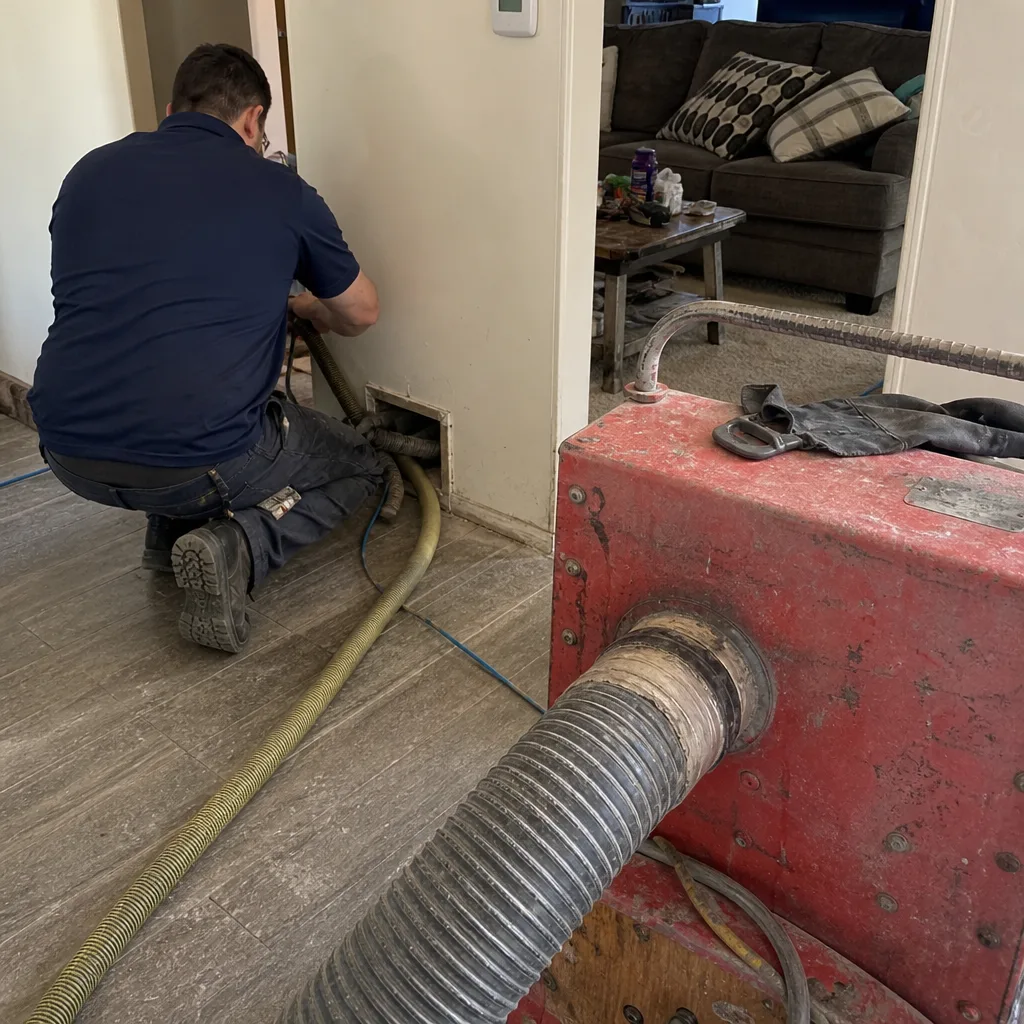 Before
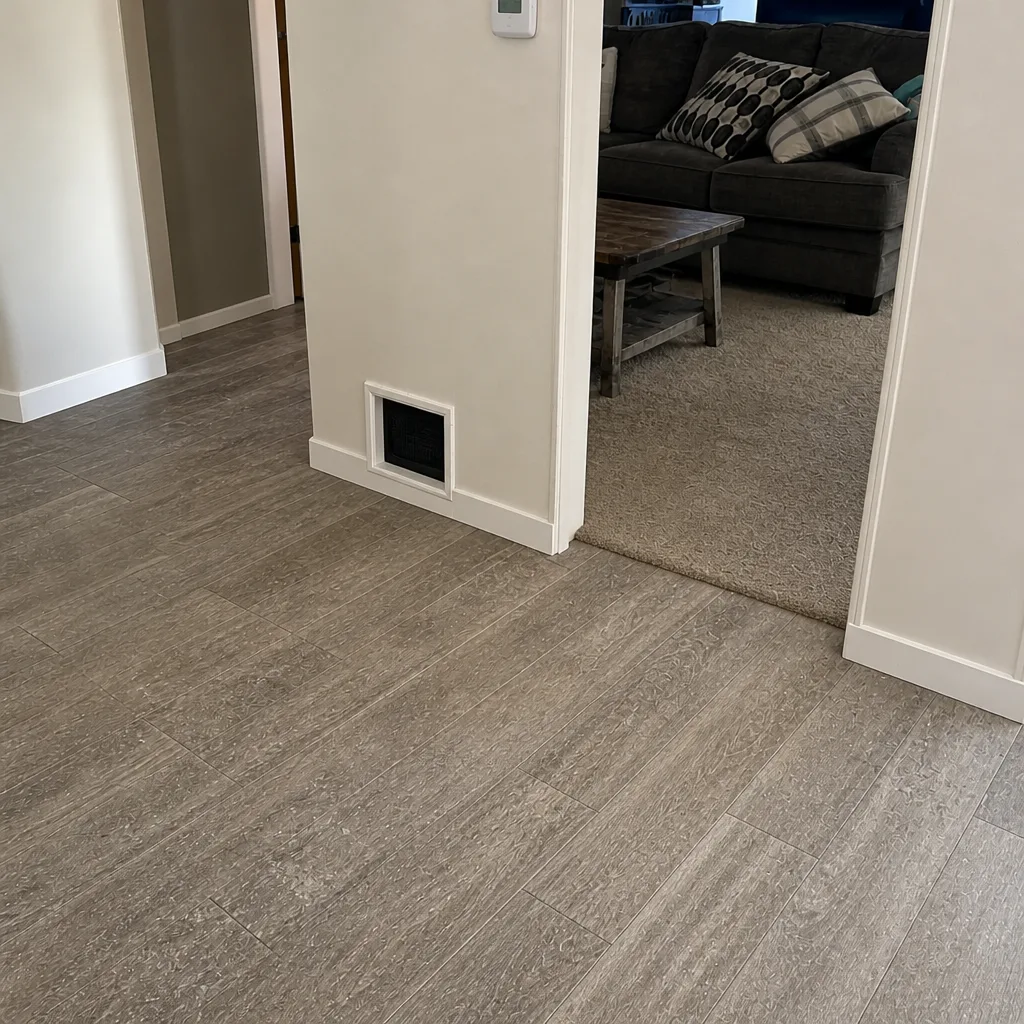 After
 Before
 After
When to Call a Professional
Call for professional evaluation when two or more warning signs appear together, when the 48-hour dust test keeps failing, when a smell is present on startup, or when a bill spike has no clear explanation. If your home has never had a documented duct cleaning and it’s more than a decade old, a baseline inspection is worth doing even without obvious symptoms, particularly on attic runs in Clearfield’s climate. Clearfield Air Duct Cleaning offers free estimates in Clearfield. The technicians are licensed and insured as their state requires and have up to 8 years of experience. Call (833) 468-5771. We answer 24/7. Fast dispatch from 7am to 7pm, Sunday through Friday. We repair what we find, right then, so you’re not handed off to a second contractor mid-project. And you leave with before-and-after photos of your own ducts, plus one flat price agreed before any work starts.
Frequently Asked Questions
Look for a cluster of signs, not one isolated one: dust resettling within 48 hours of cleaning, uneven room temperatures, an odor on startup, visible debris at registers, or unexplained bill spikes. Two or three together justify a professional inspection. Call (833) 468-5771 for a free estimate.
Most homes need it every three to five years, and Clearfield’s long heating season and heavy AC use can push toward the shorter end of that range. Homes with pets, recent renovation, or pest history need it more often. There’s no universal number: an inspection tells you what your system needs. Call (833) 468-5771 for an exact quote.
Teaser pricing usually covers a surface pass on the main branches with no containment, so debris ends up redistributed into your rooms. A full-system job uses professional-grade equipment (Rotobrush, Nikro) and containment (Abatement Technologies), takes longer, and covers the whole system, not just what’s easy to reach. The honest measure is a single flat price per system stated before work begins. Call (833) 468-5771 for an exact quote.
Sometimes. Small droppings near the furnace room or behind registers, scratching after the blower shuts off, and staining at duct joints are reliable early signs. If you find any of these, have a professional inspect the duct integrity at the same time; sealing a leak closes an entry point. Call (833) 468-5771 for a free estimate.
Before-and-after photos of your own ducts are the standard, plus a walkthrough at the registers. A crew that won’t show you results on your own system is a red flag. We provide photos on every job so you can verify the outcome. Call (833) 468-5771 to schedule.
Often it does when the cause is a blockage or partial restriction, because airflow is restored to the affected run. If the cause is a leak, collapsed duct, or a design issue, HVAC cleaning plus duct repair and sealing is the correction. A proper inspection identifies which you have. Call (833) 468-5771 for an exact quote.
The Bottom Line
Duct problems announce themselves quietly: dust that comes back too fast, a room that never warms, a smell on startup, a bill that jumps in steady weather. None of these is dramatic on its own, but together they point to the system. The 48-hour surface test and a flashlight on the registers are the two free diagnostics any homeowner can run today. When the signs stack up, get an inspection, get photos, and get a single flat price in writing before any work starts. The team at Clearfield Air Duct Cleaning connects Clearfield homeowners with independent local professionals who handle cleaning, repair, and sealing as one job. Call (833) 468-5771. We answer 24/7. Fast dispatch from 7am to 7pm, Sunday through Friday. Free estimates, and a written price agreed before work begins.
Written by the team at Clearfield Air Duct Cleaning.