
Last updated November 24, 2026
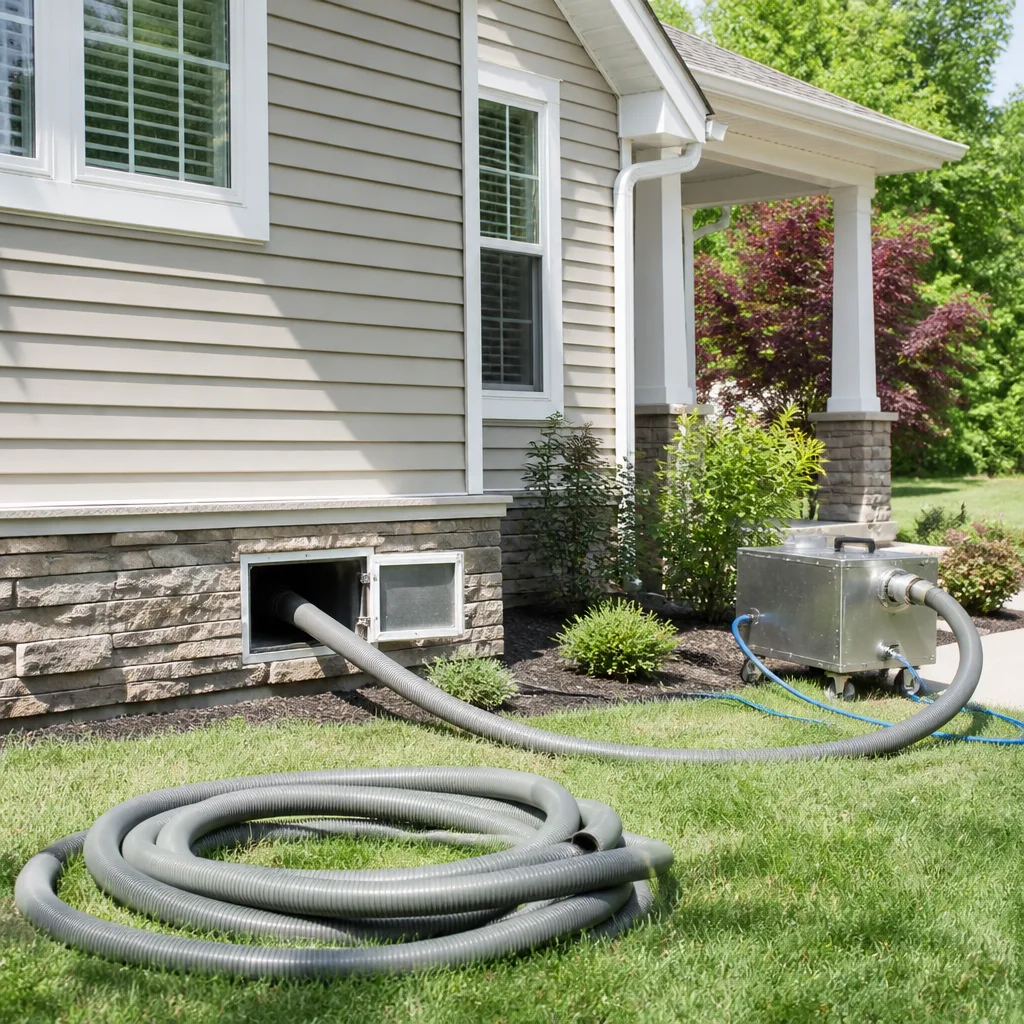 Whole-home duct cleaning
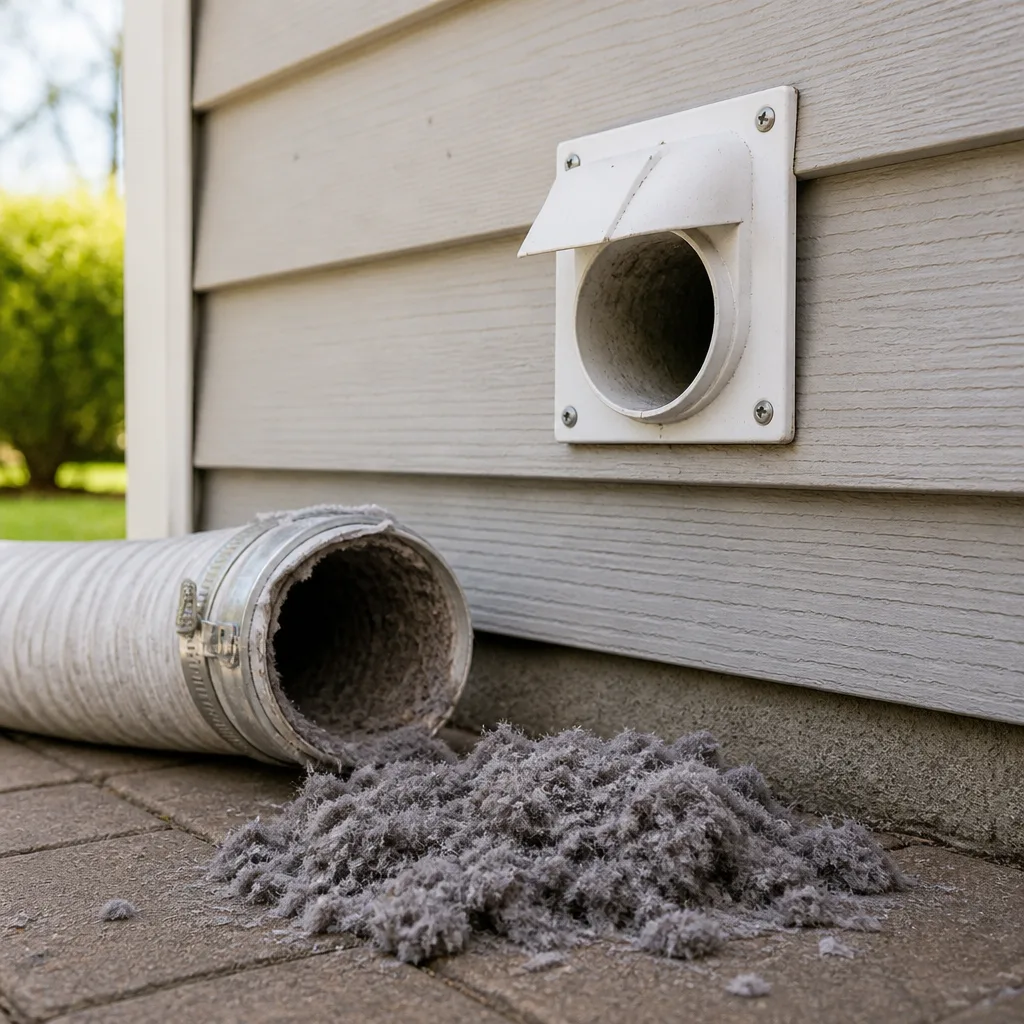 Dryer vent cleaning
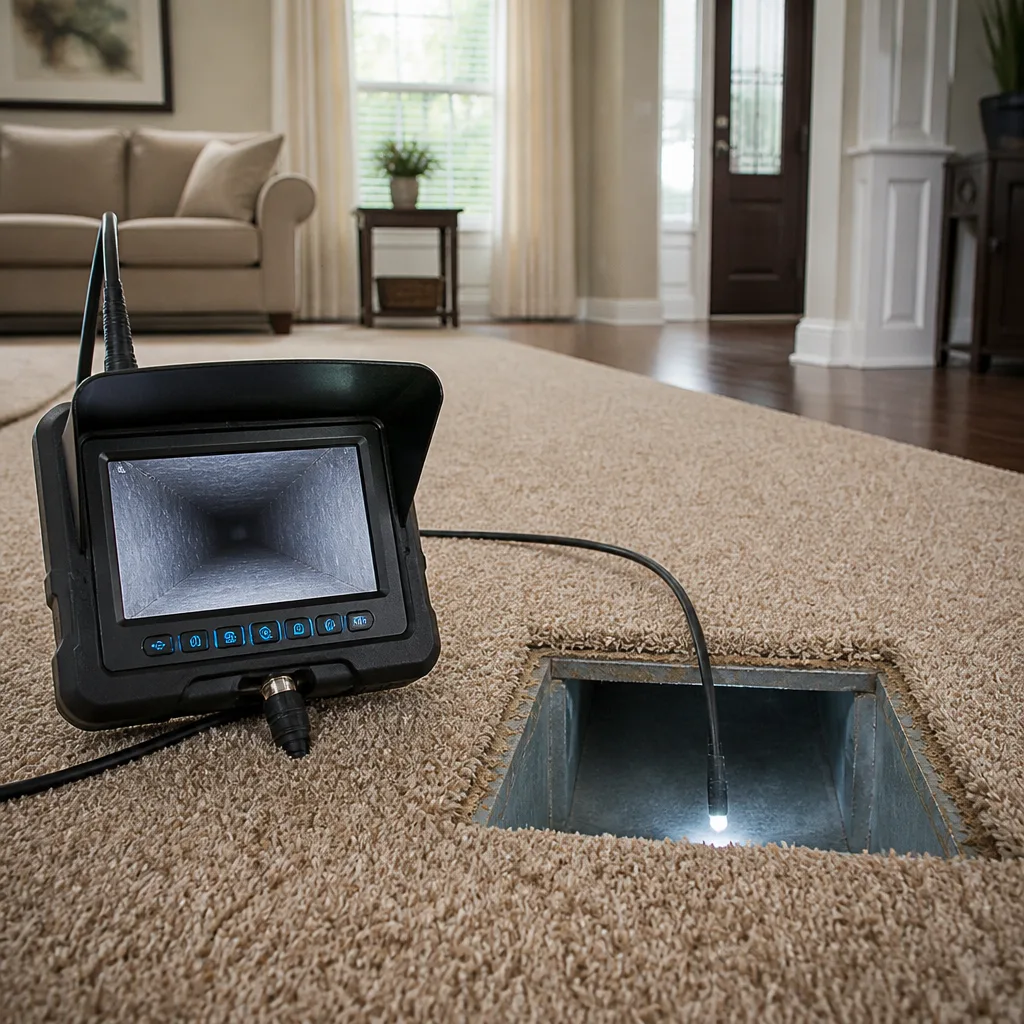 Camera inspection
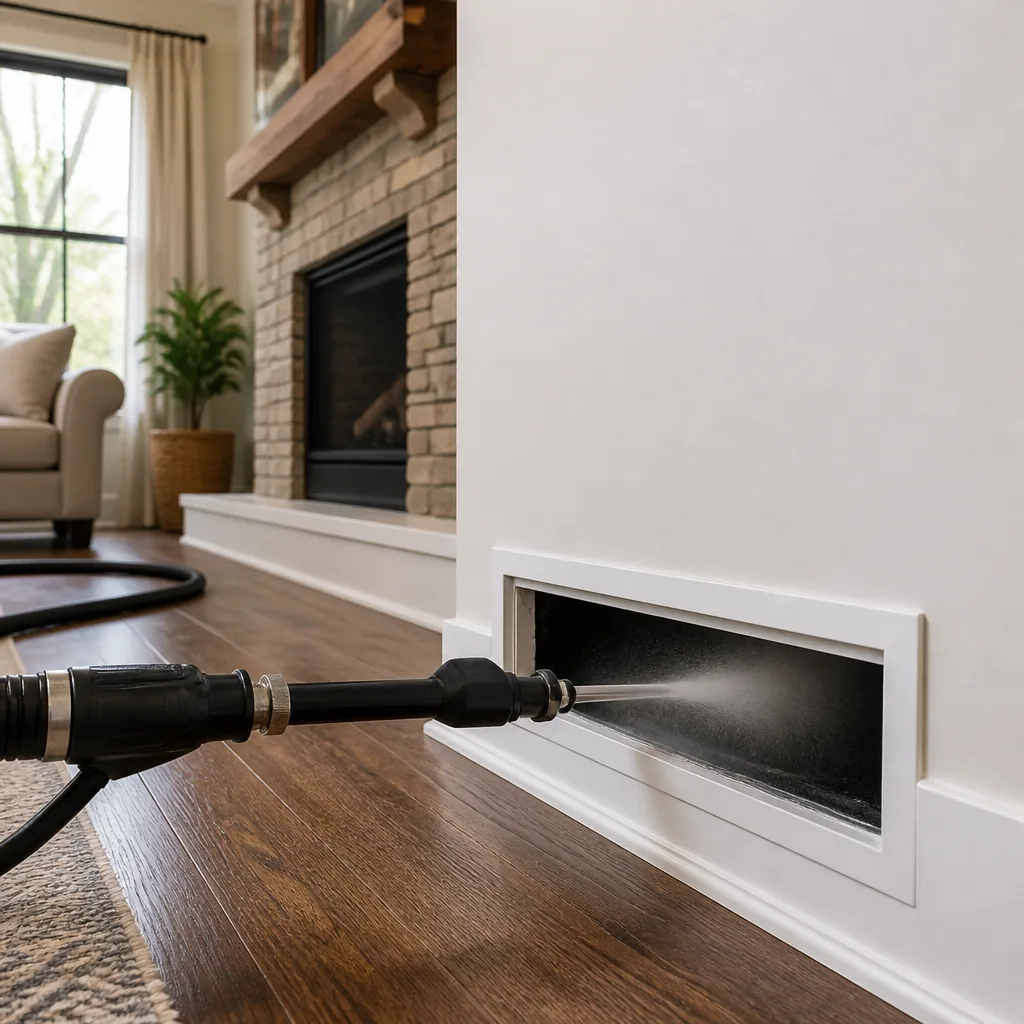 Sanitizing & deodorizing
Whole-system duct and dryer vent check with before-and-after photos - you see exactly what came out of your vents
That "$99 whole-house special" is a bait ad - the real number appears once they are in your hallway, or the "clean" is a shop-vac at the register. We photograph the inside of your ducts before and after instead.
Air Duct Cleaning Permits, Codes & Inspections in Clearfield, UT: What You Need to Know
Here’s the part almost nobody explains before a cleaning crew shows up: routine air duct cleaning in Utah doesn’t require a permit, but the moment a technician cuts into, replaces, or structurally alters your ductwork, you’ve crossed into mechanical permit territory. Most homeowners never hear that distinction until an inspector or a buyer’s agent asks about it. And a “free repair” done during a cleaning job without the right paperwork can turn into a disclosure headache when you sell your Clearfield home.
This guide walks through where cleaning ends and permitting begins, how Davis County and Clearfield City approach mechanical permits, what the inspection actually looks like, and how to protect yourself when a technician says they found a problem. Everything here is about the codes, the process, and the smart way to handle it.
Quick Answer
In Clearfield, UT, routine air duct cleaning does not require a permit, but structural duct work like replacing flex duct runs, modifying connections, or installing new duct sections usually falls under the Utah Mechanical Code and needs a mechanical permit through Clearfield City before work begins. Simple sealing with mastic or approved tape typically doesn’t trigger a permit, but anything that changes the duct system’s structure or layout does. When in doubt, the permit office is the final word.
Styles & brands we work with
- Whole-home duct cleaning
- Dryer vent cleaning
- Camera inspection
- Sanitizing & deodorizing
Table of Contents
- Cleaning vs. Repair: Where Does a Permit Start?
- What the Utah Mechanical Code Actually Says
- How Clearfield City and Davis County Handle Mechanical Permits
- Duct Sealing: Mastic, Metal Tape, and What Triggers a Permit
- How to Protect Yourself When a Repair Is Recommended
- Unpermitted Work and Your Home Sale
- What the Inspection Actually Looks Like
- Why Clearfield’s Climate Makes Duct Integrity Matter
Cleaning vs. Repair: Where Does a Permit Start?
The line between cleaning and repair is simpler than most contractors make it sound. Cleaning is maintenance. Repair and modification are construction. One is routine, the other is regulated.
Cleaning removes debris from inside a duct system that already exists in its approved form. Technicians run agitation tools and vacuum equipment through the ducts, extract what’s loosened, and leave the system intact. Nothing is cut, added, removed, or rerouted. No permit is needed for that in Utah, and no inspection follows it.
Duct repair is different. The moment a technician cuts out a damaged section, installs a new run, reroutes a flex line, or changes how a duct connects to the air handler, the system as built has been altered. Under the Utah Mechanical Code, that alteration is considered mechanical work, and mechanical work generally requires a permit through the local building authority. The purpose of the permit is straightforward: to make sure whoever touched the system did it to code and left it safe.
Here’s the practical way to look at it:
- Cleaning – no permit. Debris removal, sanitizing, brushing, vacuuming, and inspection camera work all fall here.
- Repair that reseals without changing structure – usually no permit. Sealing a small leak with mastic or approved tape, re-taping a loose joint, or tightening connections falls into this category.
- Repair that changes structure – typically requires a permit. Replacing a damaged duct section, installing a new run, moving a register, or reworking a plenum connection all count.
- Full duct replacement – requires a permit. This is essentially new construction of the duct system.
In Clearfield, plenty of homes were built between the 1950s and the 1990s, and duct systems from those eras are the ones most likely to show damage that crosses the line from “seal it” into “replace it.” That’s where the permit question actually lands for most homeowners.
If you’re not sure which category a repair falls into, don’t guess. Call your permit office before work starts. That one call prevents most of the problems later.
What the Utah Mechanical Code Actually Says
The Utah Mechanical Code is the statewide standard governing HVAC and duct system installation, alteration, and repair. It’s adopted locally, which means each city runs its own permitting and inspection process, but the underlying rules are consistent across the state. For duct work, three things matter most.
First, alterations require permits. Any change to the structure of a duct system – adding, removing, extending, or replacing ductwork – is treated as an alteration. Alterations are permitted work. A homeowner who has a contractor replace a flex duct run without a permit has an unpermitted mechanical alteration on record as a fact, whether anyone catches it that day or not.
Second, materials must meet code. Flexible duct has to be installed to the manufacturer’s specification and the code’s standards for support, sag, and connections. Rigid duct has joining and sealing requirements. Mastic and approved tape are the standard sealants. Duct tape alone – the cloth stuff most people picture – isn’t an approved permanent seal on most duct joints under current standards. This matters because a well-meaning homeowner who tries to fix a leak with duct tape creates a code problem on top of the original issue.
Third, connections to the air handler and plenum are code-critical. Leaking plenum and return connections are one of the most common problems we find during air duct cleaning work. Resealing an existing joint with approved materials usually doesn’t require a permit, but cutting in to change the plenum structure does.
One practical point about “code”: most of what we see wrong in Clearfield-area duct systems isn’t the result of cutting corners. It’s that duct systems from decades past were built to older standards and have degraded from age and repeated thermal cycling. A technician replacing a failed run isn’t fixing a mistake so much as maintaining a system that’s near the end of its design life. That’s normal. It just needs to be done properly.
How Clearfield City and Davis County Handle Mechanical Permits
Clearfield City has its own building department, and mechanical permits for HVAC and duct work are issued there rather than through Davis County. The county handles some shared services, but the city runs its own permit process for construction within its boundaries. The practical steps look like this:
- Pull the permit before work starts. A mechanical permit has to be issued before the work is performed, not after. If a contractor does the work first and offers to “get the permit sorted out,” that’s a red flag.
- Have the scope in writing. The permit application requires a description of what’s being altered, which duct sections are affected, and who’s doing the work. A technician who can’t describe the scope in writing is a technician who shouldn’t be pulling a permit for you.
- Expect a scheduled inspection. Once the work is done, the city sends an inspector to confirm the installation matches code and matches the approved scope.
- Get the final sign-off. The inspection has to pass before the permit is considered closed. That final sign-off is the document that keeps you clean later during a home sale.
The two most common missteps in Clearfield are pulling the permit after work is done (which the city can reject) and describing the scope too vaguely (which leads to inspection problems when the actual work doesn’t match what was approved).
Clearfield’s housing mix – a lot of mid-century builds and a substantial number of older single-family homes near the city’s central corridors – means duct systems need genuine maintenance, not just cleaning. That distinction shows up in the permit office. A technician who understands it will tell you exactly which repairs need a permit before touching a single duct connection.
Duct Sealing: Mastic, Metal Tape, and What Triggers a Permit
Duct sealing deserves its own section because it sits right on the boundary. Done correctly, most sealing jobs are maintenance and require no permit. Done wrong, sealing becomes an unpermitted alteration, or worse, a code violation.
Here’s the breakdown:
- Mastic sealing – No permit. Mastic is a brush-on or troweled sealant applied to joints and seams. It’s the standard, code-approved way to seal leaks on existing duct systems. When we seal leaking joints during HVAC cleaning, mastic is what we reach for.
- Approved foil-backed tape – No permit. A proper code-approved tape with a listed rating is acceptable for sealing existing joints. It’s used on clean, dry surfaces and stays in place.
- Cloth duct tape – Not approved. It dries out, peels, and fails. A technician who seals a leak with cloth duct tape is doing you a disservice, and it can complicate an inspection.
- Aeroseal or injected sealant systems – Usually no permit for existing systems, but check with the city if the job involves new duct runs as part of the work.
- Cutting out and replacing a sealed duct section – Permit required. If sealing isn’t enough and the section has to go, you’re in alteration territory.
The distinction matters because homeowners often ask us to just “seal everything” during a cleaning. We can do that for existing joints. We can’t hide a structural problem under a coat of mastic. If a duct section has failed at the connection or has collapsed, sealing it in place doesn’t fix anything and could make the eventual repair worse.
This is where full-system capability actually matters. Clearfield Air Duct Cleaning covers cleaning, repair, and sealing as part of Clearfield Air Duct Cleaning work, so the technician identifying a problem and the technician fixing it are the same operation. You aren’t handed off mid-project. The scope gets described, the permit gets pulled if needed, and the work happens under one plan.
How to Protect Yourself When a Repair Is Recommended
Every homeowner who’s ever had duct cleaning done has heard a version of this line: “We found a problem while we were in there, and we can fix it right now for an extra charge.” Sometimes the problem is real. Sometimes the fix is what needs a permit, and nobody’s mentioned it. Here’s how to protect yourself, in order:
- Ask for the scope in writing. Before any repair work starts, get a written description of what’s damaged, what the repair involves, and whether the repair changes the duct system’s structure. If the answer is “yes, we’re replacing a section,” ask directly whether a permit is needed.
- Ask who pulls the permit. In most cities, either the homeowner or the contractor can pull the mechanical permit. The contractor doing the work is usually the one who should. If the contractor says “no permit needed,” get that in writing too – and confirm it with the city if you’re unsure.
- Get a written estimate before work begins. Not a verbal number. A written scope and a flat price for the whole system, agreed before the technician starts.
- Confirm insurance and licensing. The local pro performing the work should be licensed and insured as required by the state. Ask. Don’t assume.
- Take photos before and after. A professional will document their work with before-and-after photos. If they won’t, that tells you something.
- Don’t sign off until you’ve seen the work. Ask to see the section that was repaired, ask whether the permit inspection is scheduled, and confirm the paperwork is in hand.
The single biggest mistake we see is homeowners accepting a verbal scope during a cleaning visit and letting the repair happen without a written estimate or permit discussion. A reputable company will pause, describe what’s needed, and put it in writing before proceeding. If they won’t, walk.
Unpermitted Work and Your Home Sale
Unpermitted duct modifications don’t stay hidden forever. They tend to surface during a home inspection, and once they do, the problem becomes the seller’s.
A typical home inspection in Clearfield includes a walk-through of the HVAC system and, if the inspector is thorough, a look at the ductwork visible in the attic, crawlspace, and mechanical closet. Newer duct runs that don’t match the original construction, sections replaced with different materials, or obvious rework all show up. From there, the buyer’s agent asks a simple question: was it permitted? If the answer is no, you have three options, and none of them are quick:
- Pull the permit retroactively. Some cities allow this, but it means an inspection of work that’s already complete, which can lead to required rework if the installation doesn’t match code.
- Disclose it and negotiate. Buyers will often ask for a credit or a price reduction to cover their own permit and rework costs. You may not come out ahead.
- Redo the work under permit at your own cost. This is the worst case but isn’t rare when the original work wasn’t done to code.
Utah requires sellers to disclose known material defects, and unpermitted work that affects the property is generally a disclosable item. That’s the practical reason the permit question matters even if you’re not planning to sell for years. Paperwork is cheap. Rework during a closing is not.
We’ve seen this problem in older Clearfield properties more than newer ones, mostly because the homes have had more contractors through them over time and more opportunities for someone to cut a corner. If you’re buying in Clearfield, ask for the permit history on any duct or HVAC work. If you’re selling, make sure anything you’ve had done has the paperwork to back it up.
What the Inspection Actually Looks Like
A mechanical inspection on duct work is not complicated, but it’s thorough enough that shortcuts don’t survive it. Here’s the general shape of the process:
- Scheduling. After the work is complete, the contractor (or homeowner, if self-permitted) requests the inspection through Clearfield City’s building department. Most inspections are scheduled within a few business days of the request.
- On-site visit. The inspector arrives and reviews the permit and the approved scope. They compare what was approved to what was installed.
- Visual verification. The inspector looks at connections, support, sealing, and materials. They check that flex duct isn’t sagging excessively, that rigid duct is properly joined, and that sealant is the correct type.
- Function check. Depending on the scope, the inspector may check airflow at registers or verify that the system is operational after the alteration.
- Sign-off or correction notice. If the work passes, the permit is closed and you have the record. If it doesn’t, you get a correction notice describing what needs to change and a timeline for re-inspection.
What tends to fail: improperly supported flex duct, unsupported rigid runs, unapproved sealing materials, and scope mismatches. What rarely fails: well-documented jobs where the scope matched the work and the contractor used the right materials. The inspection rewards preparation, which is why it’s worth pulling the permit correctly the first time.
If a permit has already been pulled on your home’s duct system and the inspection record exists, keep it. That documentation is worth real money at sale time.
Why Clearfield’s Climate Makes Duct Integrity Matter
Clearfield sits in the northern Wasatch Front, and the local climate puts real pressure on duct systems. Summers push the AC hard for weeks at a time. Winters swing cold, often with big day-to-night temperature swings. That thermal cycling – heating up, cooling down, heating up again – works on duct connections the same way repeated use works on anything mechanical. Joints loosen. Tape dries out. Flexible sections sag and eventually tear at the collars.
That’s the local context that turns “should I worry about my ducts?” into a real question for Clearfield homeowners. Duct damage here isn’t unusual; it’s the normal result of systems aging in a climate that pushes the HVAC through heavy seasonal swings. The question isn’t whether ducts will eventually need repair. It’s how to handle the repair correctly when it comes.
Winter dryness matters too. Very dry indoor air, common along the Wasatch Front in January and February, doesn’t damage ducts directly, but it makes leaks and gaps more noticeable because a well-sealed system performs differently in dry air than a leaking one. If you’re running a humidifier and still feeling dry, that’s one reason to look at the duct system.
For homes with dryer vent cleaning needs alongside the duct work, the same principle applies: routine maintenance is unpermitted, but any structural change to the venting route falls into a different regulatory category. It’s the same line-cleaning vs. repair-that matters across the whole system from intake to outlet.
Common Mistakes to Avoid
- Assuming a permit was pulled because the price was high. Price doesn’t determine whether a permit was pulled. Ask directly, and get the answer in writing. A contractor doing the right work will tell you the permit status before you ask twice.
- Accepting a verbal scope during a cleaning visit. Repairs recommended mid-visit should always come with a written scope and estimate. In Clearfield, “we can fix that right now for a few hundred extra” is the exact scenario where unpermitted work happens.
- Sealing a structural problem with tape instead of replacing the section. Sealing a small joint leak is fine. Sealing a failed connection or a collapsed section is a temporary hide, not a repair. It’ll surface on the next inspection.
- Pulling the permit after work is done. Clearfield City requires the permit before the work starts. Post-work permitting can be rejected outright, especially when the work is already finished and can’t be inspected properly.
- Skipping the final inspection sign-off. A permit that was pulled but never had its inspection recorded is almost as bad as no permit. The documentation is what protects you at sale.
- Using a contractor who won’t put anything in writing. No written scope means no accountability. Insist on a written estimate and a written description of what’s being repaired.
- Ignoring the repair because “the cleaning looked fine.” Cleaning is a separate action from structural repair. A technician who cleans and doesn’t flag a failed duct section missed something.
See the difference
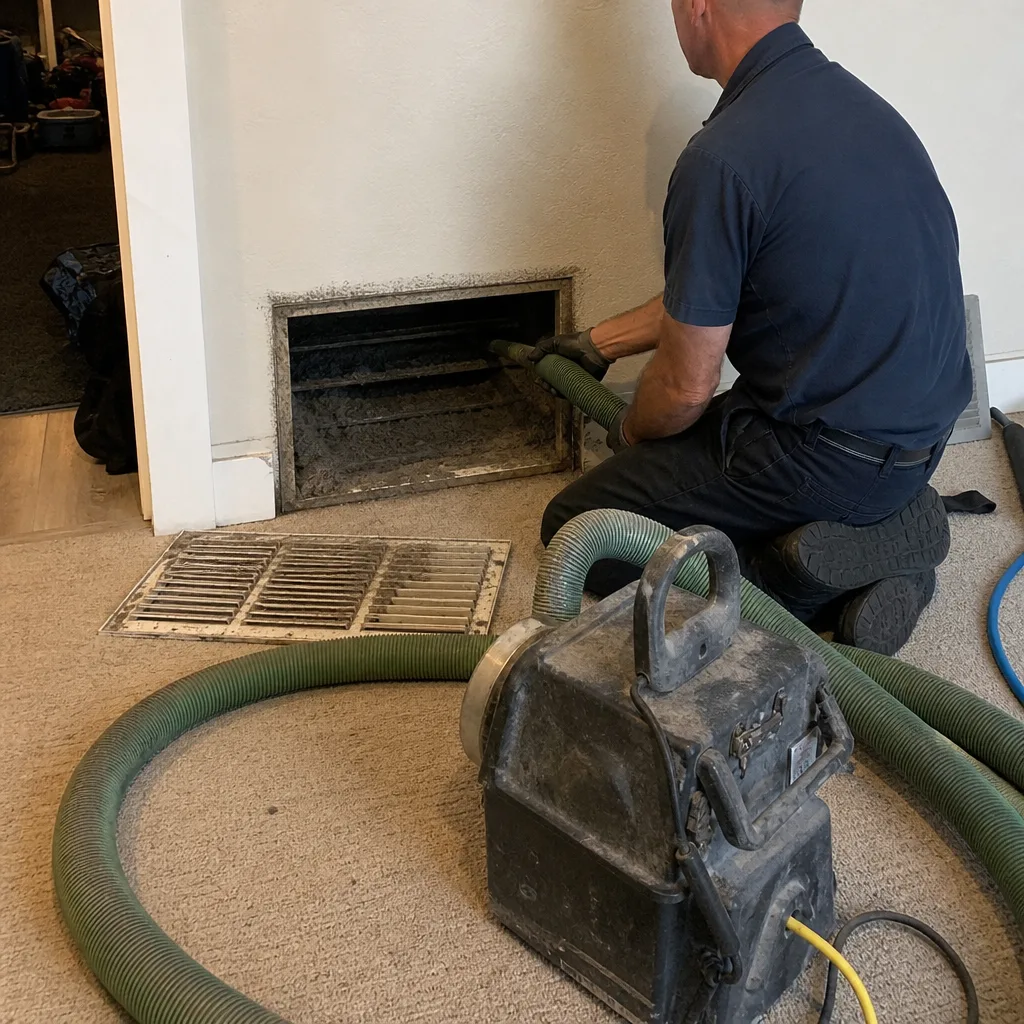 Before
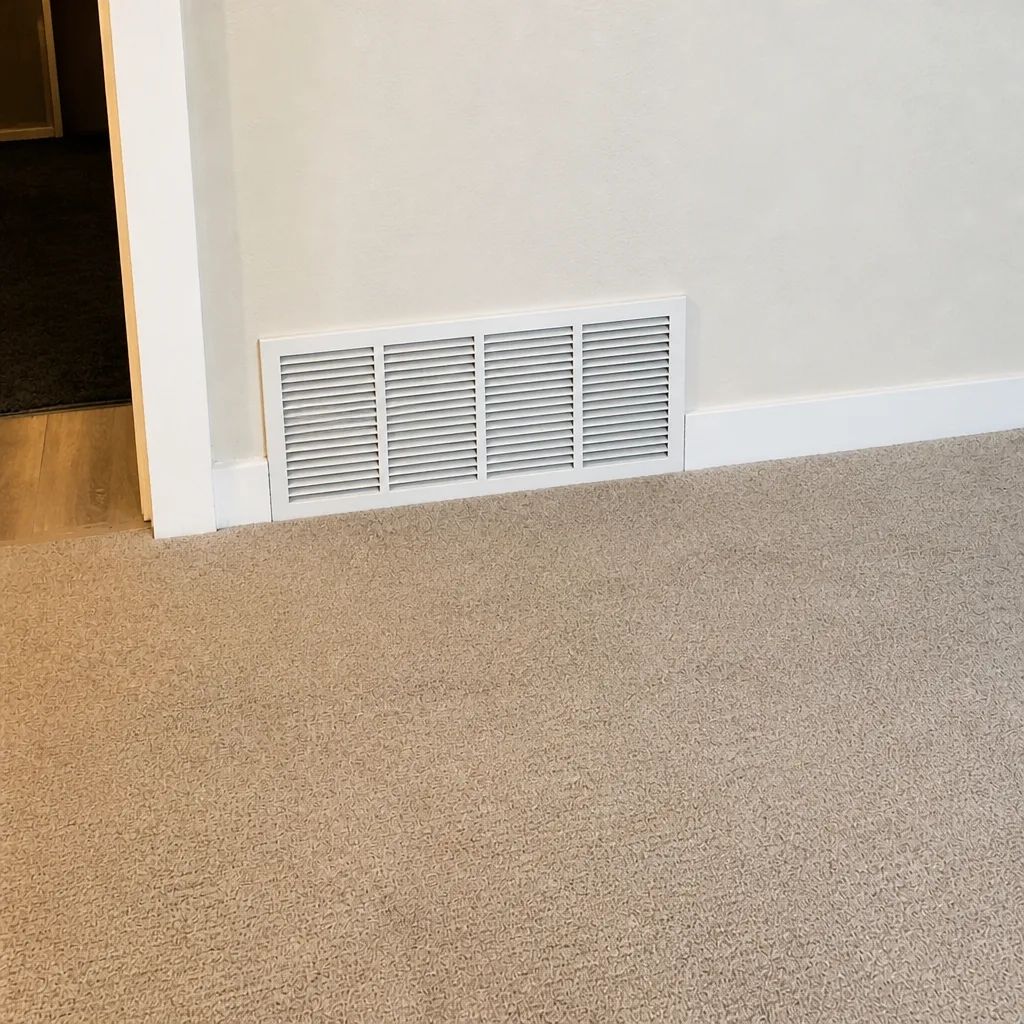 After
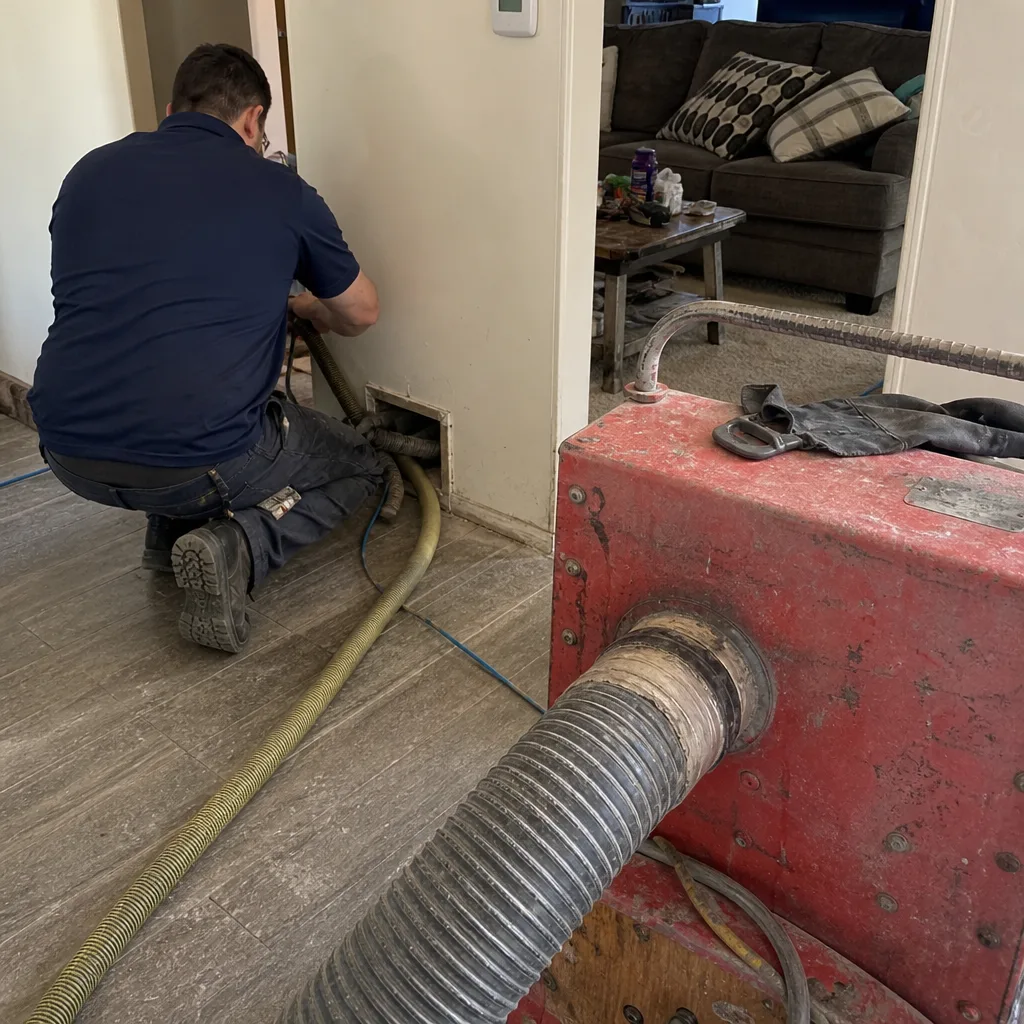 Before
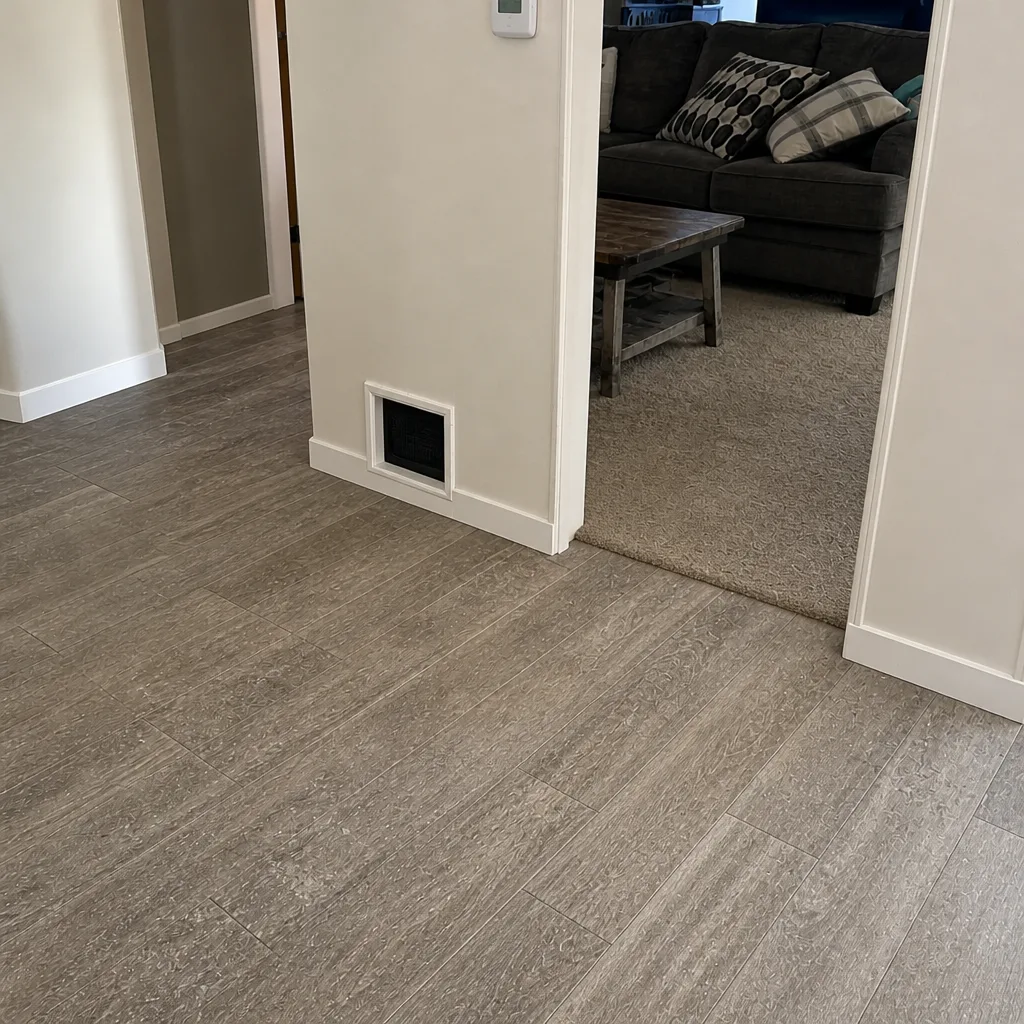 After
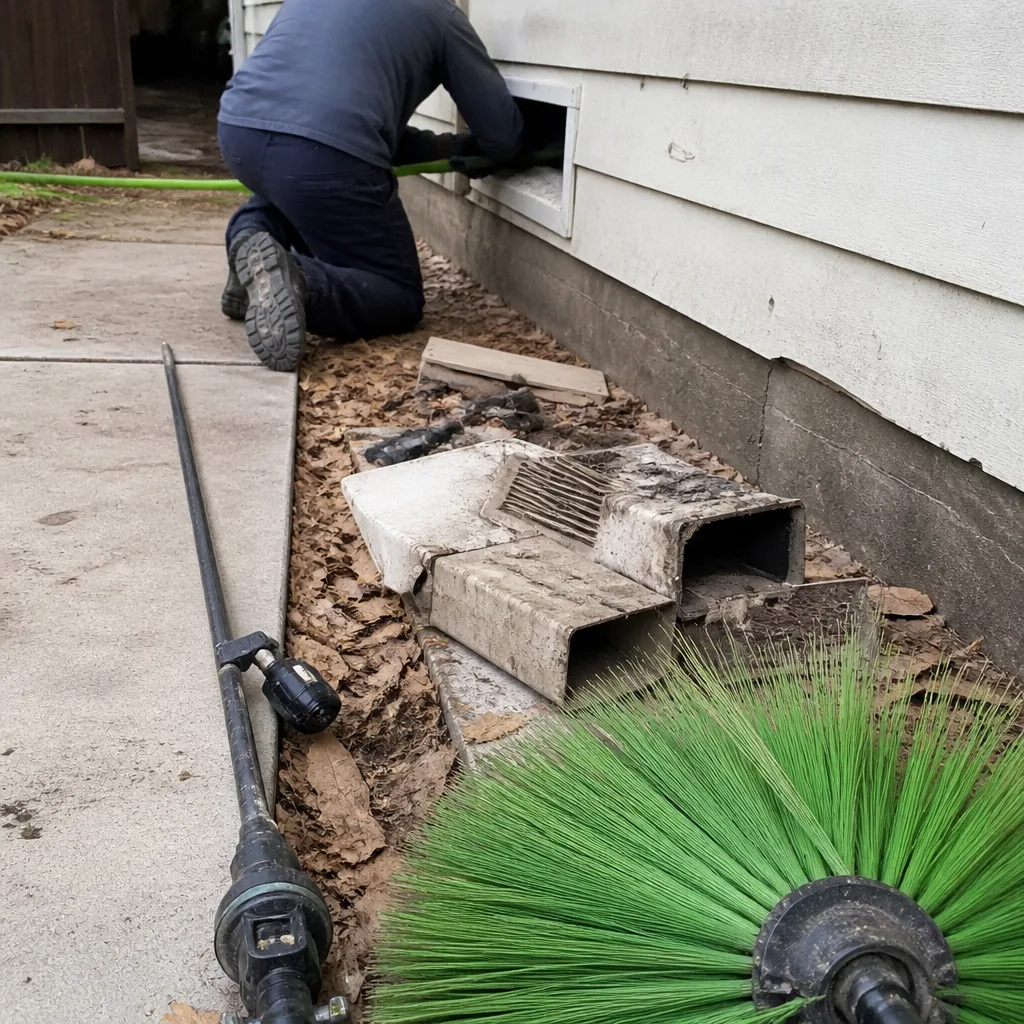 Before
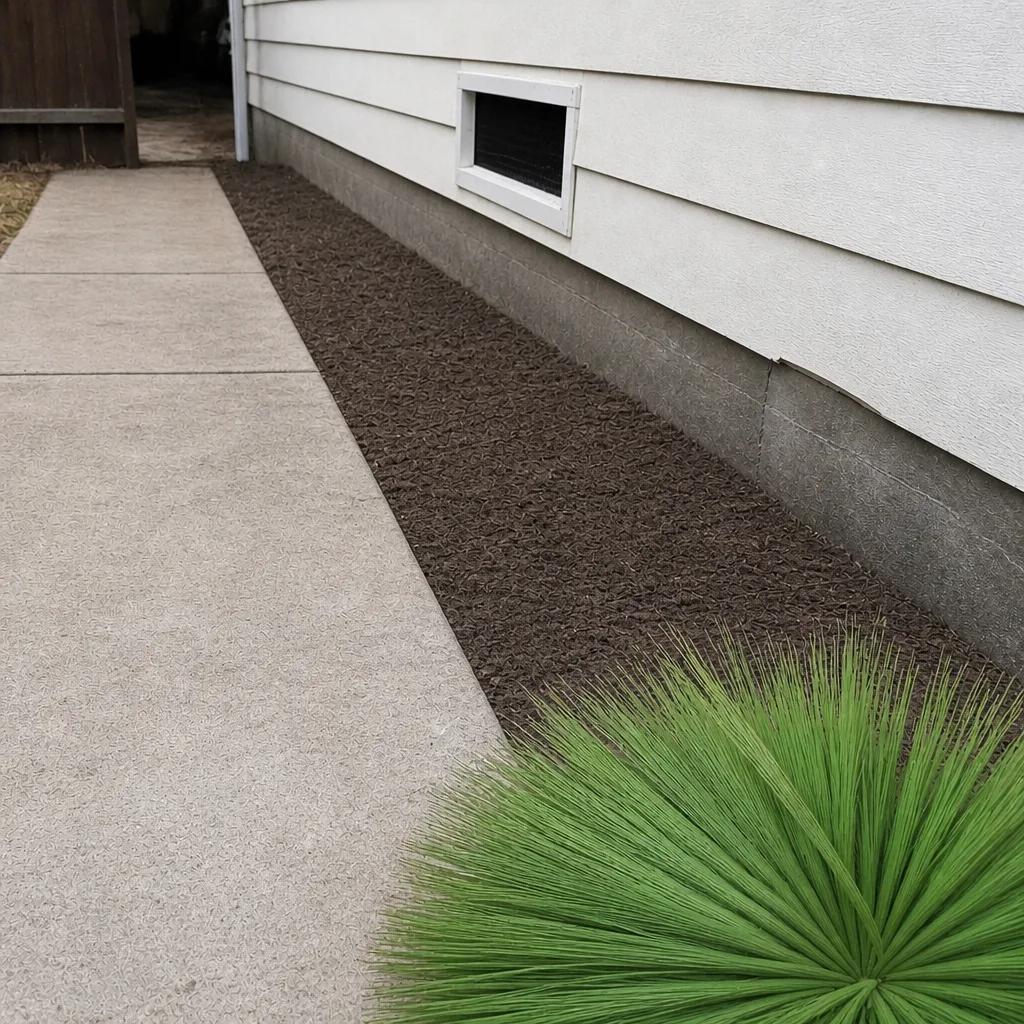 After
When to Call a Professional
If ductwork has visible damage – sagging flex sections, disconnected joints, torn insulation, or a plenum that’s separating from the air handler – that’s not a homeowner project. If the system has airflow issues that aren’t explained by a dirty filter, or if you’ve noticed dust around specific registers, or if you’re buying a home in Clearfield and want a professional eye on the duct system before closing, that’s the moment to call. Structural duct work needs trained eyes, the right equipment, and someone who knows when a permit has to be pulled and when it doesn’t. A technician using proper agitation tools and a HEPA-filtered vacuum – not a shop vac – keeps the job clean and inspection-ready. Clearfield Air Duct Cleaning offers free estimates in Clearfield. Call (833) 468-5771.
Frequently Asked Questions
No. Routine air duct cleaning in Clearfield does not require a permit because cleaning doesn’t alter the duct system’s structure. You don’t need to notify the city or schedule an inspection for standard cleaning, sanitizing, or vacuuming. The permit question only comes up if the work involves replacing, cutting into, or rerouting duct sections.
Usually not, as long as the sealing is on existing joints and doesn’t change the system’s structure. Mastic and approved foil tape applied to leaking seams are considered maintenance. Cutting out a section to replace it, installing new duct runs, or changing how the plenum connects does require a permit under the Utah Mechanical Code. If the scope is unclear, call Clearfield City’s building department for the final answer, and call (833) 468-5771 for a professional opinion on what the repair actually involves.
Unpermitted repair can become a disclosure problem when you sell, and sometimes a rework requirement depending on how it was done. Home inspectors frequently flag duct modifications that don’t have permit records, and buyers often ask for the permit history. If the work wasn’t permitted, you may have to pull a retroactive permit, disclose the issue, or redo the work to code. It’s the kind of thing that’s cheap to avoid and expensive to fix later. Call (833) 468-5771 for a free estimate before any repair work begins.
In most Utah cities, either the homeowner or the licensed contractor can pull the permit. The contractor doing the work is usually the one who should, since they’re the one on record for the installation. If a contractor says “no permit needed,” ask them to put that in writing. If you’re unsure, confirm with Clearfield City’s building department before work starts. We can walk you through the scope and what the permit picture looks like – call (833) 468-5771.
The test is whether the repair changes the structure of the system. Re-taping a leak or applying mastic to a joint is maintenance. Replacing a duct section, installing a new run, or modifying the plenum is an alteration and typically requires a permit. When a technician recommends a repair in your Clearfield home, ask them to describe it in writing and state whether it requires a permit. A reputable crew will have a clear answer. Call (833) 468-5771 for a free estimate that includes a written scope.
An inspection verifies that the installation matches what the permit approved and that it meets code. The inspector looks at connections, support, materials, and sealing. They may check airflow at registers and confirm the system is operational after the work. A well-documented job usually passes cleanly. Improperly supported flex duct, unapproved sealing materials, and scope mismatches are the common failure points.
The Bottom Line
Cleaning your ducts in Clearfield doesn’t require a permit. Repairing or altering them usually does. That’s the whole boundary, and it matters most when a repair is recommended during a cleaning visit. Get the scope in writing. Confirm whether a permit is needed. Make sure the permit is pulled before work starts, not after. Keep the inspection sign-off on file. Every one of those steps is small on its own. Skipping any of them is how a routine cleaning turns into a title issue years later. The work and the paperwork should both be right.
Call (833) 468-5771 for a free estimate on Clearfield Air Duct Cleaning. We answer 24/7. Fast dispatch from 7am to 7pm, Sunday through Friday.
Written by the team at Clearfield Air Duct Cleaning.