
Last updated November 24, 2026
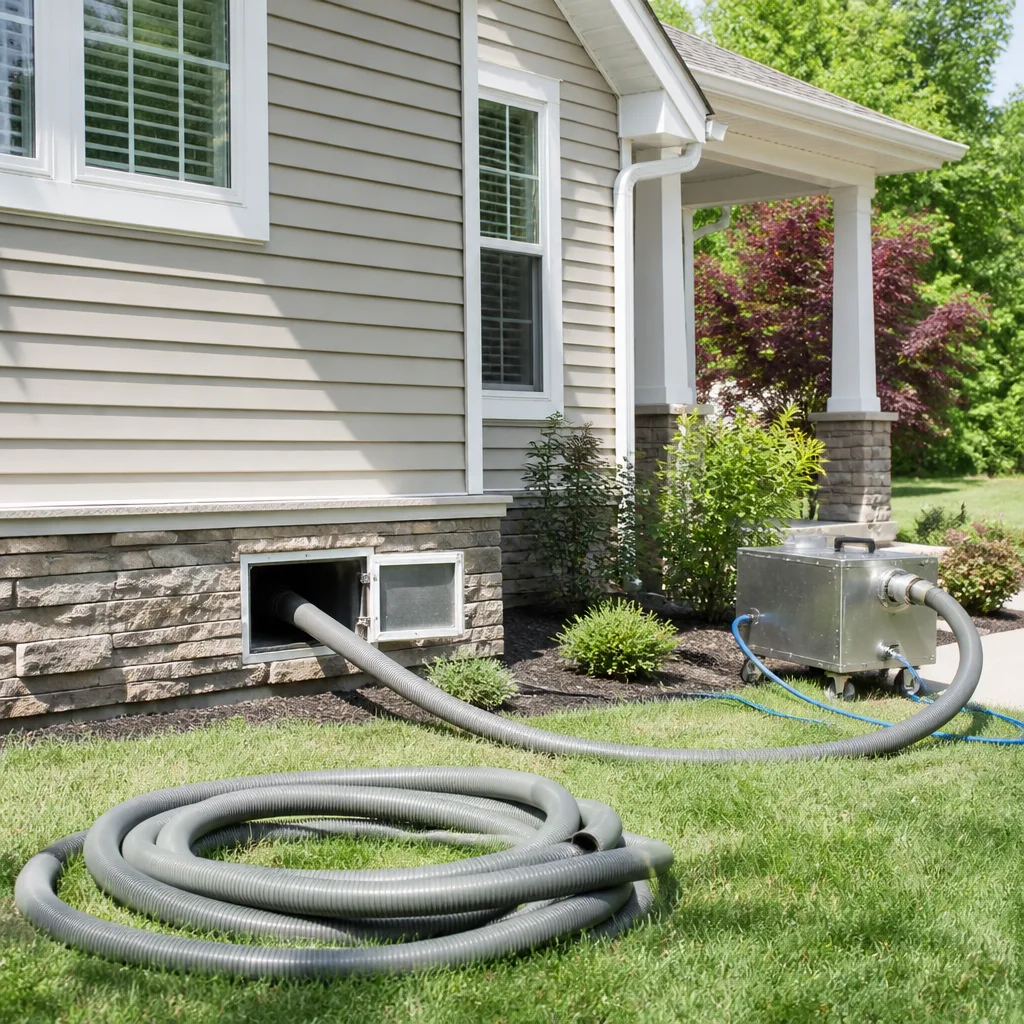 Whole-home duct cleaning
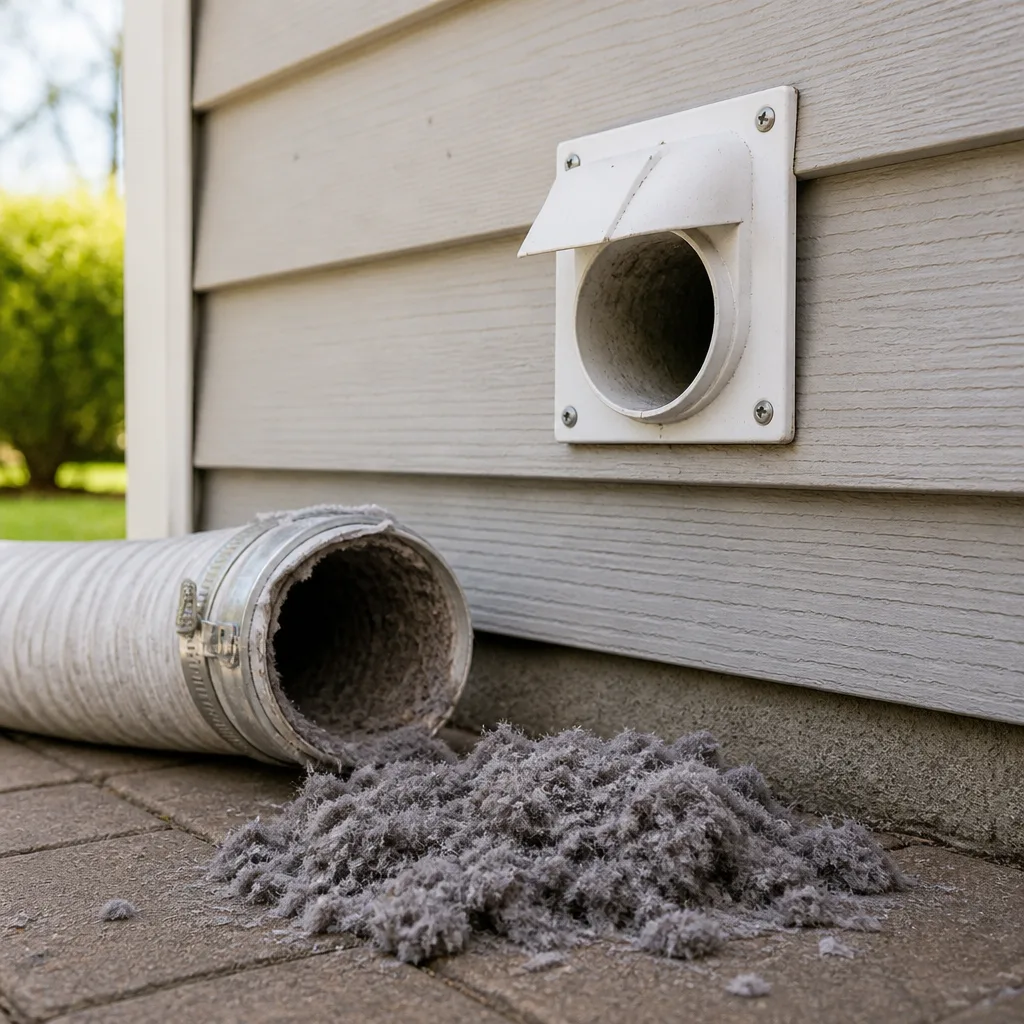 Dryer vent cleaning
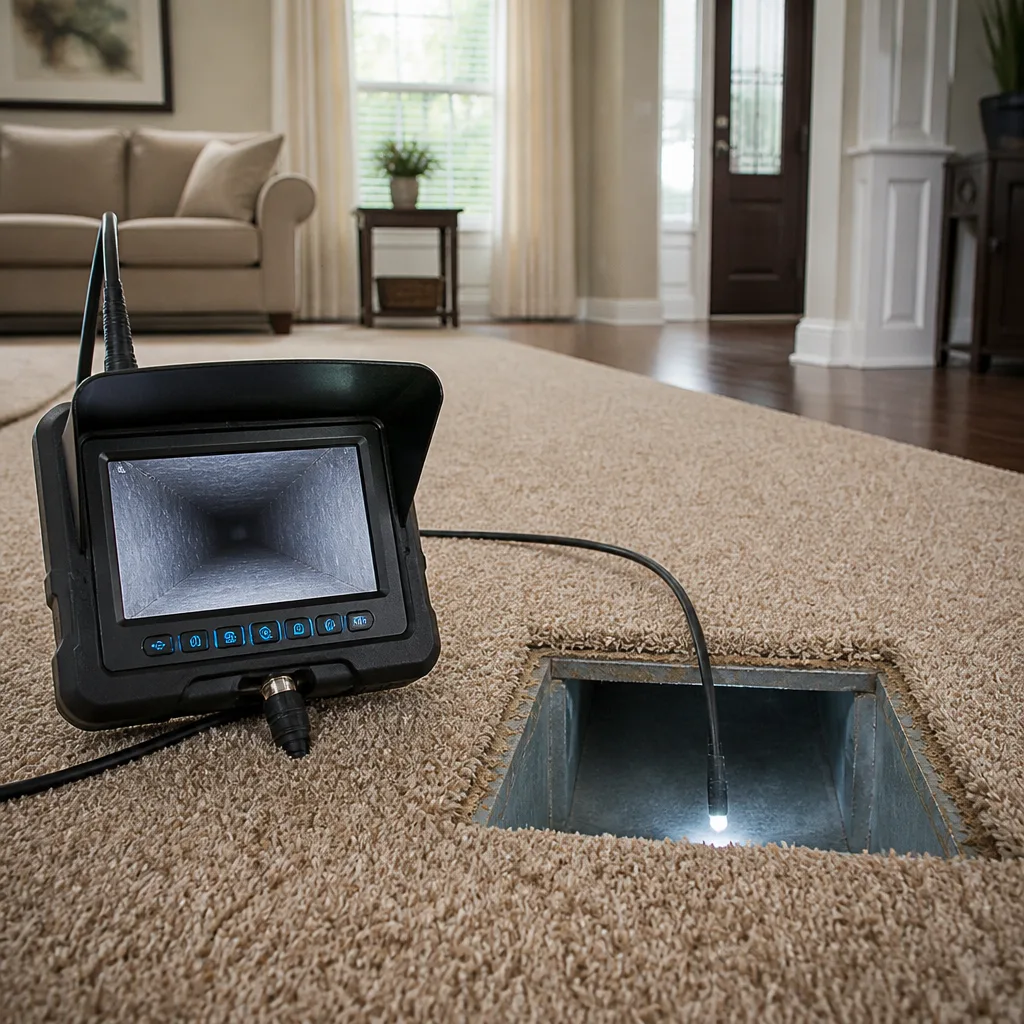 Camera inspection
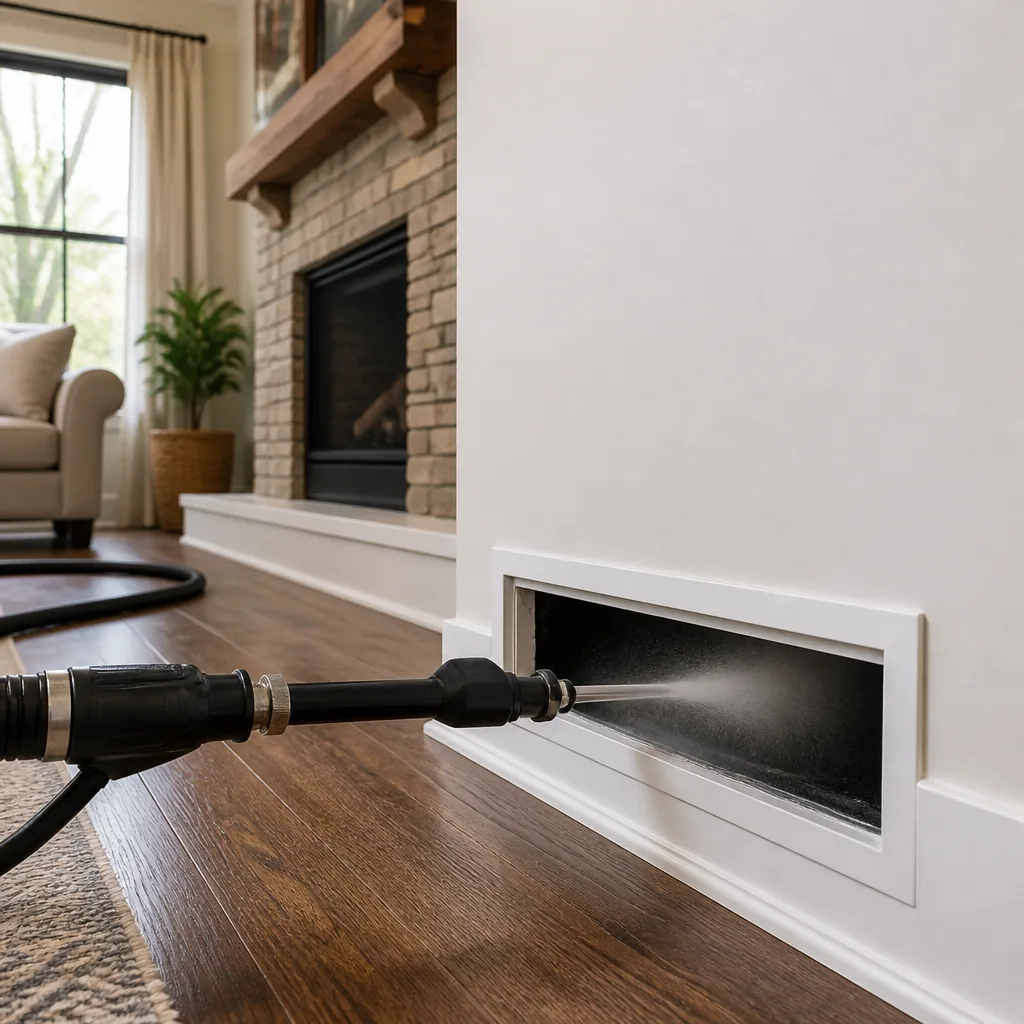 Sanitizing & deodorizing
Whole-system duct and dryer vent check with before-and-after photos - you see exactly what came out of your vents
That "$99 whole-house special" is a bait ad - the real number appears once they are in your hallway, or the "clean" is a shop-vac at the register. We photograph the inside of your ducts before and after instead.
Air Duct Cleaning Maintenance Checklist for Clearfield Homeowners
Most homeowners treat the furnace filter like a chore: swap it, toss the old one, forget it until the next time the air feels stale. That is a missed opportunity. The filter you’re changing every 90 days is a diagnostic tool, and the pattern of debris caught in its pleats tells a specific story about what is happening inside your duct system. A gray, even coating points to normal dust loading. A single dark smear near one edge suggests a leak downstream pulling dirty air in. A sudden shift from light dust to heavy matting means something upstream changed. In this guide, we’ll walk through a full-year maintenance checklist built around the way Clearfield weather actually cycles, teach you how to read your filter like a report card, and show you exactly when a small observation warrants a professional call instead of a fresh filter.
Quick Answer
A sensible duct maintenance routine in Clearfield combines four things: filter swaps on a set interval, a quick seasonal walk-through of every register and return, a written log of what you observe, and one full professional assessment when the log shows a trend rather than a one-off. Most homes don’t need annual deep cleaning; they need a system that is inspected, logged, and cleaned on a schedule matched to how much dust, pet hair, and outside air their ducts actually move. The key is reading small signals before they become expensive ones.
Styles & brands we work with
- Whole-home duct cleaning
- Dryer vent cleaning
- Camera inspection
- Sanitizing & deodorizing
Table of Contents
- Why a duct checklist beats a yearly cleaning
- How to read a dirty filter
- The month-by-month Clearfield seasonal checklist
- Register-level inspection: flashlight and phone camera
- Keeping a duct log a technician can actually use
- When a finding needs a professional
- Beyond cleaning: sealing, sanitizing, and air quality
Why a duct checklist beats a yearly cleaning
Ductwork doesn’t fail on a calendar. It drifts. A joint loosens a little each heating season. A return grille collects pet hair until airflow drops. A supply line that was clean in October is pulling fine dust from a cracked collar by February. Treating duct care as one annual event means every problem you might catch in month three gets ignored until month twelve, by which time the same inexpensive issue can call for repair instead of a wipe-down. A checklist, by contrast, spreads the same attention across the whole year in small, cheap increments.
In our experience, the homeowners who get the most out of air duct cleaning are the ones who already know their system’s normal. They can tell a technician “the return in the hallway started collecting hair three weeks ago” and the visit starts with a diagnostic clue instead of a blank slate. That’s worth more than any coupon.
Clearfield sits in a bowl of the Wasatch Front where winter inversions trap cold, still air for days and cottonwood and grass pollen spike hard in late spring. Both patterns push debris into your return side faster than a mild-climate home would see. That doesn’t mean every Clearfield house needs a scrub every year, but it does mean the seasonal rhythm here is real enough to check against.
- Checklist mindset: small observations on a schedule
- Event mindset: ignored drift until a symptom (smell, dust, weak airflow)
- Result: the checklist catches issues while they’re still cheap
How to read a dirty filter
A filter is a sample of everything that passed through your return. Read it before you replace it. Pull it out, hold it to a window or lamp, and look at three things: the evenness of the loading, the color, and whether one edge is visibly darker or heavier than the rest.
Even gray-brown coating. That’s normal. Dust, pollen, and fine particulates have loaded the media roughly uniformly. Replace on schedule and move on.
One dark smear or a heavy corner. Air is entering the return filter from an unexpected direction, which usually means a gap at a duct collar, an unsealed plenum seam, or a return duct that’s come loose from a boot. In a Clearfield home with a basement or crawlspace air handler, a heavy corner close to where the return drops through the floor is worth flagging to a technician.
Matting instead of coating. When pleats are physically clogged with lint, hair, or a greasy film, the filter is starving the system. If you change filters on schedule and the media is stuffed before that interval ends, the problem isn’t the filter; it’s a source you haven’t found yet.
Colored staining. A pink, green, or blackish tint beyond ordinary dust can point to moisture, pest activity, or microbial growth somewhere upstream. That’s a signal to get eyes on the coil and duct interior, not a signal to buy a stronger filter.
Very clean filter, weak airflow. If the filter is barely dirty but a register blows weak, the obstruction is downstream, not at the return. Coil icing or a blocked branch run are both possibilities. This is the one reading that almost always warrants a professional look.
A few minutes with each filter change gives you a running record that a technician can interpret in seconds. It’s one of the least expensive duct diagnostics you have.
The month-by-month Clearfield seasonal checklist
The Wasatch Front gives you four distinctly different air-quality seasons, and each one stresses your ducts in a different way. Here’s how to break the year down.
- January and February, heating peak. The furnace is running long cycles. Check the filter mid-cycle, not just at the 90-day mark, since a plugged filter on a cold stretch is the single most common cause of a weak heat complaint. Look for even heating across registers; a cold room usually means a branch run has lost airflow, not that the furnace is failing.
- March and April, spring thaw. As snowmelt raises outdoor humidity, moisture can travel into older Clearfield ductwork through any compromised joint. Check basement and crawlspace runs for condensation or rust spots at seams. Dust that has dried out over winter tends to loosen and get re-entrained in the air, so this is a good moment for a full register walk-through.
- May and June, pollen peak. Cottonwood and grass pollen load returns hard. Expect the filter to darken faster than in winter. Change the filter at the usual interval, but do a visual check on the return filter every few weeks. If you have pets, expect the mat to fill even faster.
- July and August, cooling season and smoke. When wildfire smoke reaches the valley, your HVAC runs more and the return side catches fine particulate. Check filters again mid-cycle, and watch for a smoky smell at registers. That smell means the duct interior is holding what the filter couldn’t catch.
- September and October, transition. Before heating starts, walk every register and return. This is the cheapest window to catch a loose boot, a cracked collar, or a disconnected run, because the system isn’t doing full work and small problems haven’t had a season to get worse.
- November and December, heating startup. First furnace run of the year often pushes a puff of dust out of registers. That’s normal for the first cycle or two. Persistent dust or a burning smell after the first week is not normal and should be logged.
Follow this rhythm and you’ll cover the two seasonal events in Clearfield that most homeowners overlook: the inversion season of mid-winter and the smoke windows of late summer. Neither is a big problem if you’re checking as you go. Both are if you’re not.
Register-level inspection: flashlight and phone camera
You don’t need special tools or a ladder to spot serious duct problems from the floors of your house. A flashlight and the phone in your pocket will do more from ten registers than a professional could from a single unplanned visit a year from now. Ten minutes per season is enough.
- Shine the light into each supply register. You should see clean sheet metal going back about a foot. Black specks, grey fuzz, or visible dust accumulation mean the duct interior is overdue.
- Photograph each register before cleaning. Snap a picture of the grille and one of the duct throat behind it. Save it with the register location in the filename. When a technician looks at six months of photos, they can see the trend.
- Feel airflow with the back of your hand. Air should move with consistent force across every register in the same zone. A weak register is a branch problem. A register with no airflow at all is a disconnected run or a closed damper.
- Smell near the register when the system first starts. A musty smell on start is a moisture or growth clue. A smoky smell in smoke season means the interior is holding particulate.
- Look for streaks of dust on the floor or ceiling fan near a register. Dust ejection at the register edge usually points to a leaking boot seal, which is repairable before it lets unfiltered air into the supply side.
- Check the return grille for hair and lint buildup. Clear anything you can reach with a vacuum attachment. A clogged return strains the blower.
- Log the date, register, and what you saw. This is the single most useful thing you’ll do for the technician who eventually shows up.
Do this at every register, every season. You’re building a map of your duct system, room by room. Over a year, the pattern tells you which branch runs are doing the heavy lifting and which are quietly losing airflow.
Keeping a duct log a technician can actually use
The single failure mode of home duct maintenance is that every observation is isolated. You notice a smell in July, forget it by fall, then mention nothing when a technician comes for a different reason. A simple log fixes this. It doesn’t have to be elaborate. A notes app on your phone or a paper notebook in the utility closet both work.
Here’s what goes in the log:
- Date and location. “Oct 14, upstairs hall return.”
- Filter reading. “Even coat, changed at 88 days.” Or “heavy corner, dark smear near right edge.”
- Register observations. “Weak airflow at the east bedroom, second register from the stair.”
- Smells. “Musty on first heat cycle, faded after an hour.”
- Any professional visit. What was cleaned, what was repaired, and what was recommended for next time.
Why does this matter? Because a technician who sees a single dirty filter has almost no way to know if it’s a routine loading pattern or an early sign of a duct leak. A technician who sees three months of logs showing a filter that got darker and darker at the same corner now has a real diagnostic target. That’s the difference between a cleaning visit and a repair that lasts.
And it works the other way. If your log shows the same register losing airflow across multiple seasons, that belongs in the hands of a professional, not a filter swap. The log is what tells you which is which.
When a finding needs a professional
A dirty filter gets replaced. Almost everything else in this guide needs eyes that have done this before. The line between “swap the filter” and “call a pro” usually comes down to whether the observation repeats, spreads, or has a smell attached to it.
Call a professional when:
- A register you’ve watched for months keeps losing airflow despite clean filters.
- You find visible dust or debris past the register throat on repeated checks.
- Any musty, smoky, or chemical smell persists past the first minute of a startup.
- A filter darkens well before its interval, especially with a distinct corner pattern.
- You can see a visible gap, tear, or disconnected run anywhere in the ductwork.
- You notice pest activity near a return or vent.
- Someone in the house has new respiratory symptoms that seem to correlate with the system running.
None of these are emergencies, but each of them is a signal that a scheduled visit is cheaper than waiting for a bigger problem. And the same principle applies to the appliance most homeowners never check: if you haven’t had a dryer vent cleaning done, the lint trap isn’t the whole story, and the vent side deserves a look on the same schedule as your ductwork.
Beyond cleaning: sealing, sanitizing, and air quality
Clean ducts are only the beginning. When we open a system up, we sometimes find that the cleaning was the easy part; the harder question is how to keep the system from drifting back to where it started. Three layers of work go into that.
Sealing. Loose collars, unsealed boots, and gaps at the plenum are the number-one source of recontamination. We repair what we find, right then, using the same visit that started as a cleaning. Sealing a return leak is often more impactful than a second cleaning, because it removes the source of the dust that keeps showing up.
Sanitizing. When growth or odor is present, sanitizing the interior after cleaning is the step that addresses what’s living there, not just what’s stuck there. We finish with Guardsman protection products as part of the sanitizing process, which is a recognized name in surface protection.
Filtration and air quality upgrades. Long-term indoor-air quality comes from the system, not one visit. We install and service Honeywell and Aprilaire air-quality products as part of the same work, so a filtration upgrade isn’t a separate project handed to another contractor. For homes with genuine indoor-air-quality concerns, we also use Abatement Technologies containment and air-scrubbing gear during the job so dust doesn’t just relocate into the rest of the house.
The HVAC cleaning side of a visit is where a lot of this plays out: the coil, the blower, and the cabinet are where the dust the ducts pulled in eventually lands. Cleaning those without cleaning the ducts is half a job. Cleaning the ducts without those is equally partial. From intake to outlet, the system is one thing.
Our technicians have up to 8 years of experience, and we use professional-grade equipment from Rotobrush and Nikro, the same brands commercial HVAC contractors rely on, because reading duct interiors accurately takes good tools and repeated practice. We’re not a shop-vac operation. We bring equipment built to agitate, extract, and verify.
Common Mistakes to Avoid
- Waiting for a smell before checking. A smell is the last signal, not the first. By the time your house smells musty, the observation typically started months earlier in a filter reading or a register check you skipped.
- Buying the highest-MERV filter you can find. Overly restrictive filters can starve airflow on older Clearfield systems. Match the filter rating to what the furnace was designed for, and check the manual if you’re not sure.
- Judging duct cleanliness by the filter alone. A clean filter doesn’t mean clean ducts, and a dirty one doesn’t automatically mean dirty ducts. The register-level inspection is where the real evidence is.
- Ignoring winter inversion dust and summer smoke separately. Each has its own loading pattern on your filter, and each deserves its own mid-cycle check instead of trusting one schedule.
- Treating dryer vents as a separate concern. The vent side of the system is one of the most overlooked household risks, and it deserves a spot on the same annual routine as your ductwork.
- Skipping the log. Without a written record, every observation gets evaluated in isolation, and routine patterns look like random events.
- Doing duct repairs yourself. Sealing and repair look simple on video and aren’t. Loose joints and interior access inside ductwork require the right tools and the right training to do safely.
See the difference
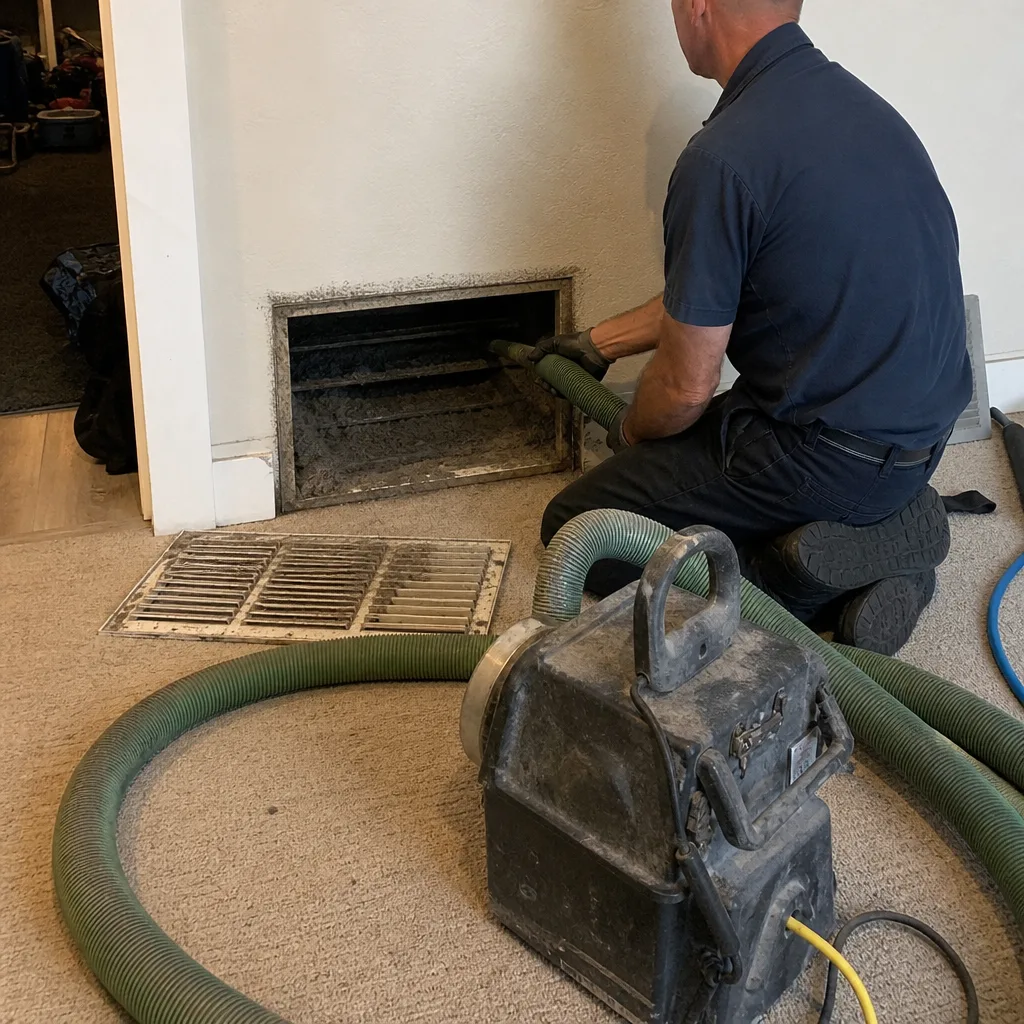 Before
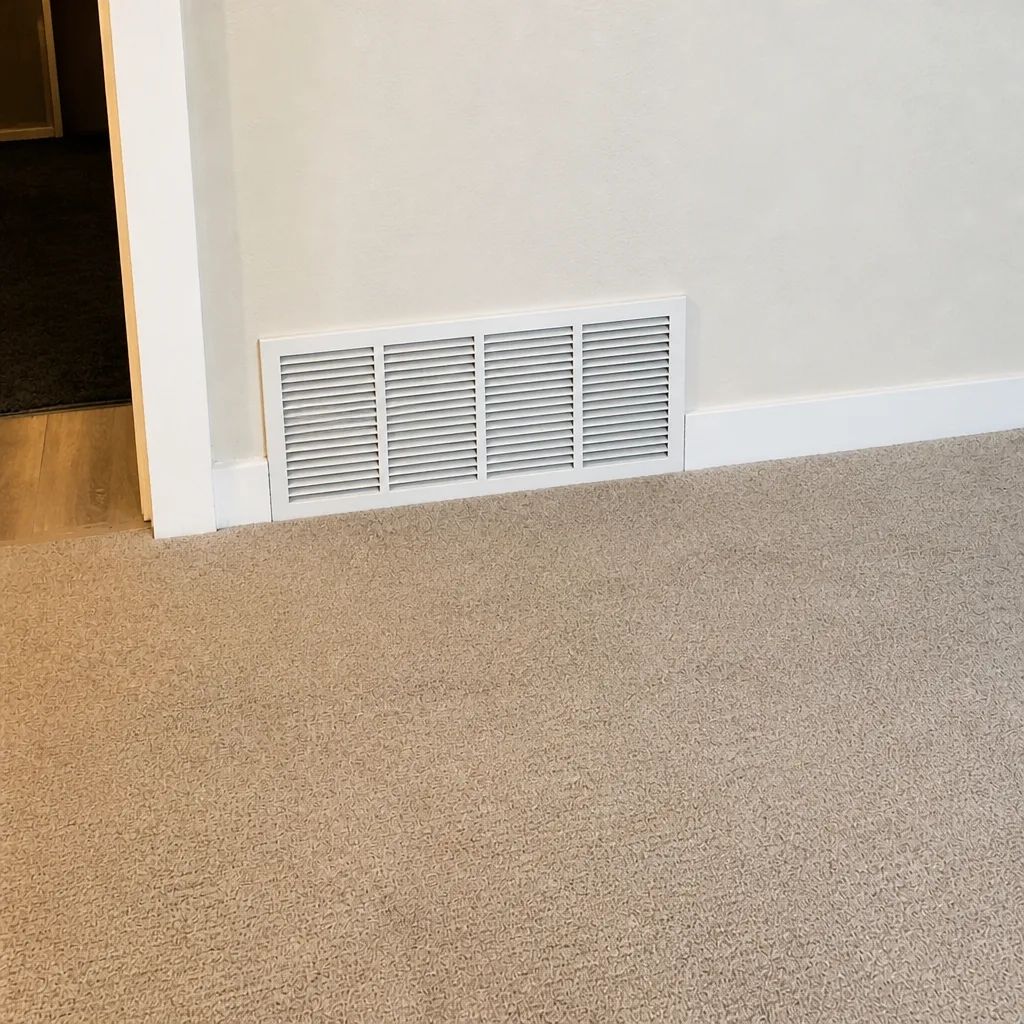 After
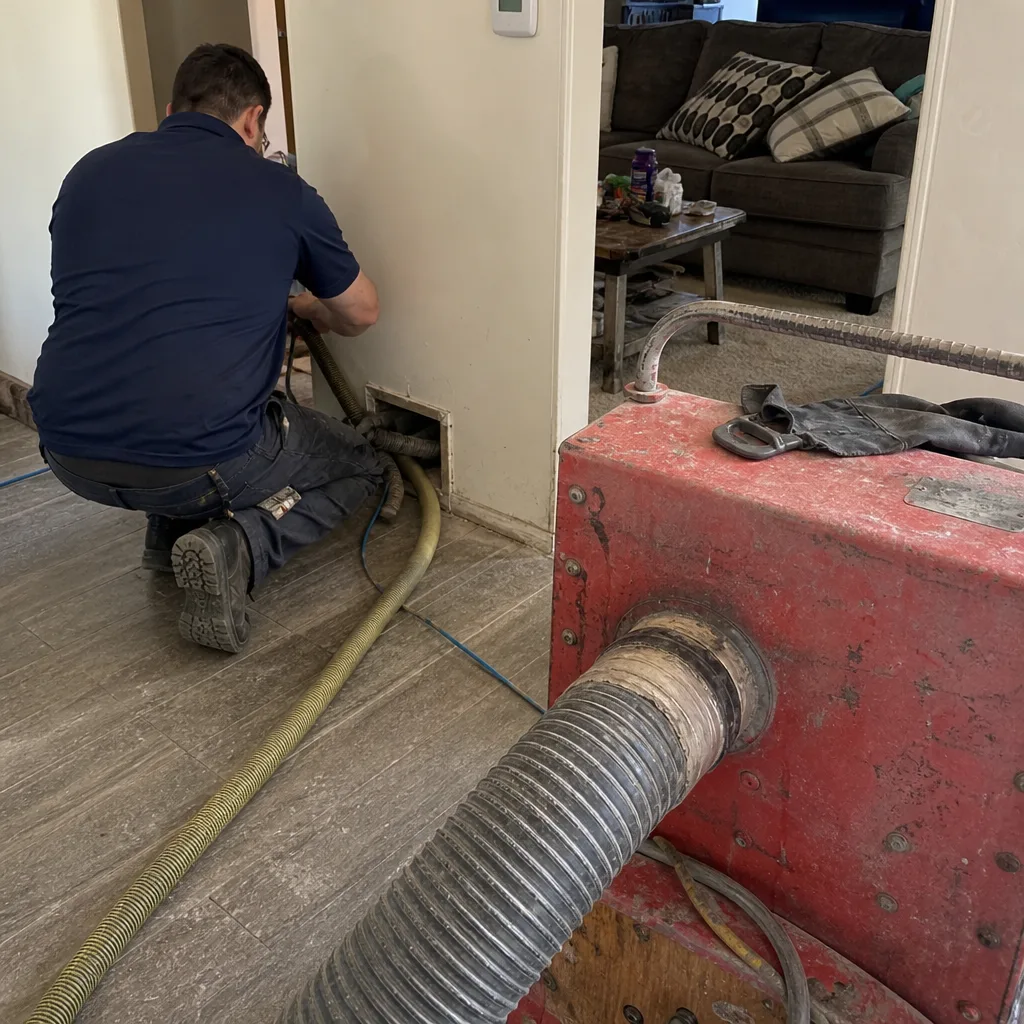 Before
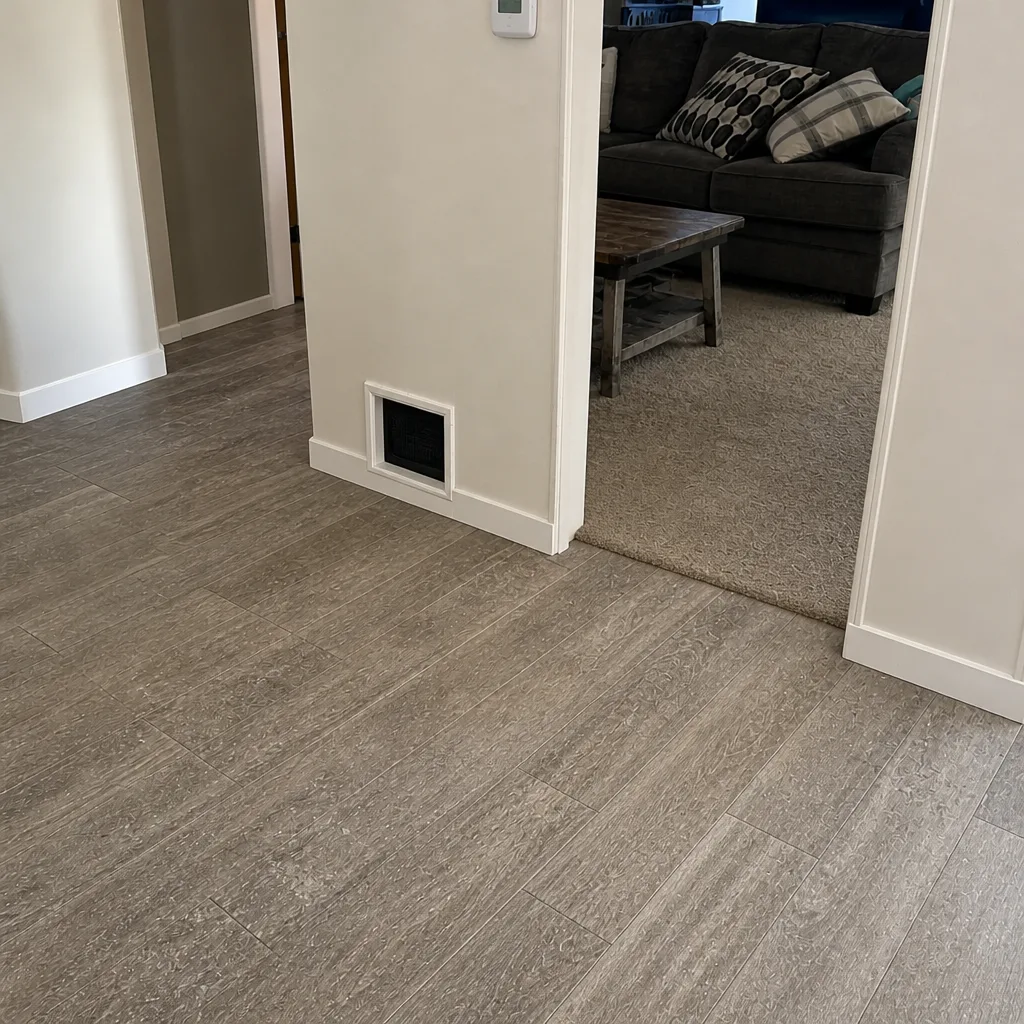 After
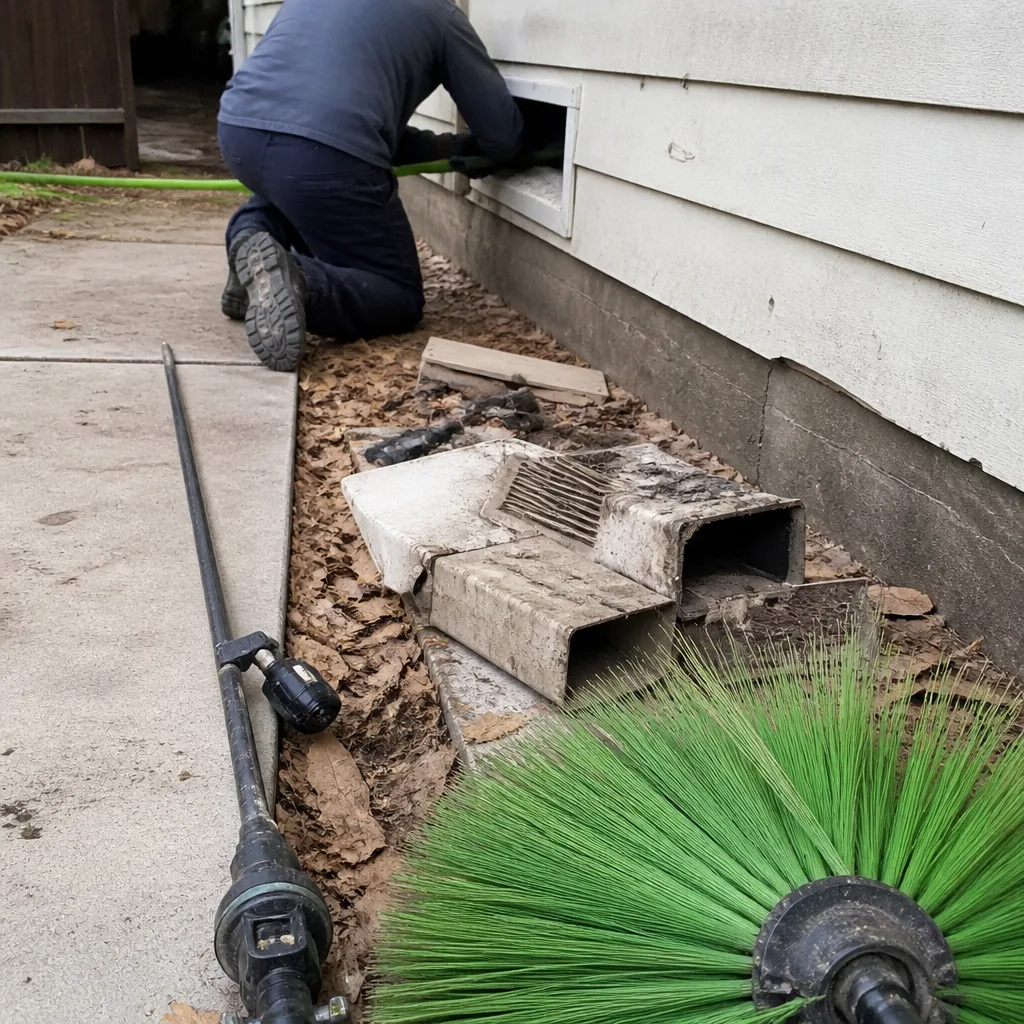 Before
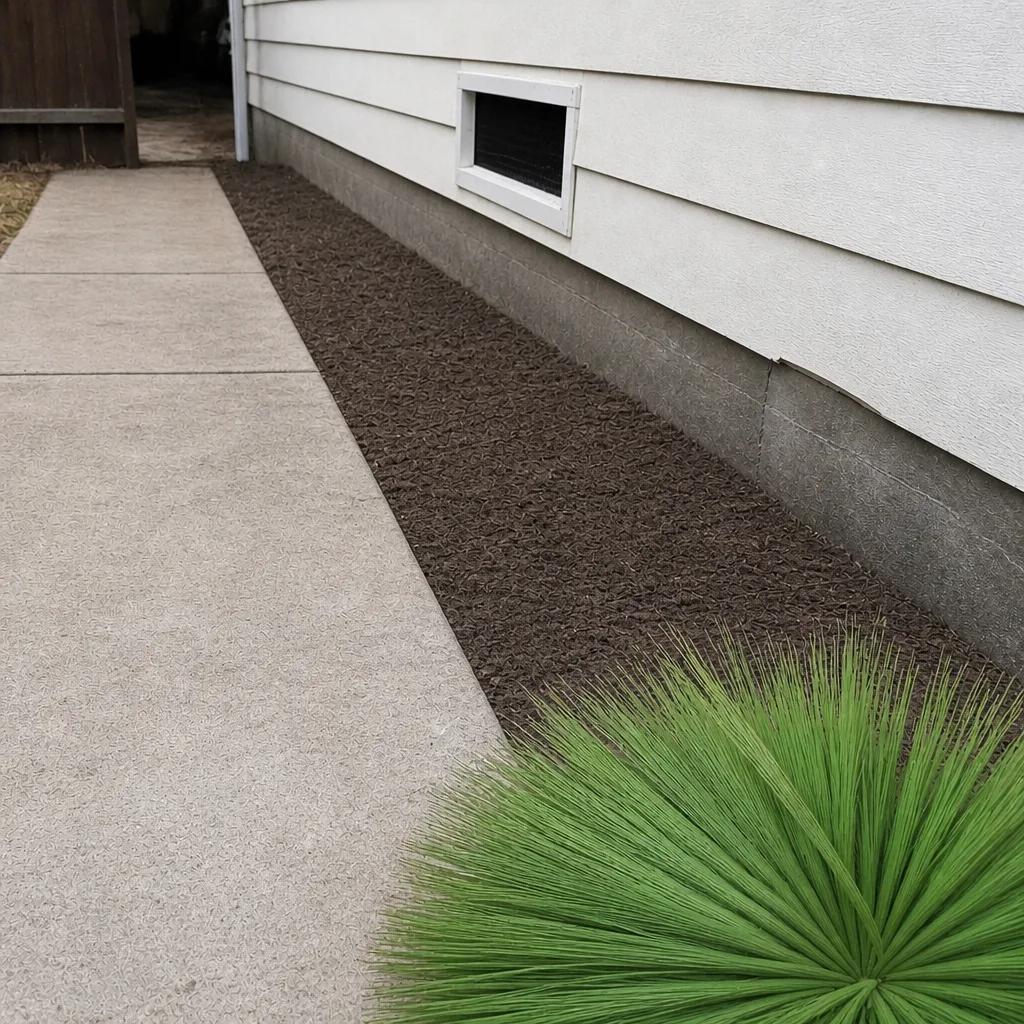 After
When to Call a Professional
You’ve done the register checks, you’ve read your filters for a few months, and your log is telling you something. That’s the moment to bring a trained eye in. When we arrive on a scheduled visit, the log you’ve kept turns a generic cleaning into a targeted diagnostic; we can go straight to the branch run that’s been losing airflow for six months instead of starting from scratch.
Clearfield Air Duct Cleaning offers free estimates in Clearfield. Call (833) 468-5771. We answer 24/7. Fast dispatch from 7am to 7pm, Sunday through Friday. The written estimate sets the price before any work starts, and the local professional we connect you with is licensed and insured as Utah requires. Bring your log, bring your filter photos, and bring your questions. Clearfield Air Duct Cleaning is built to answer them.
Frequently Asked Questions
Most Clearfield homes need a full professional cleaning every two to three years, not annually, unless their log shows a filter darkening well before its interval or a repeated airborne-dust pattern. Homes with pets, recent construction, or members with respiratory concerns often fall closer to the two-year mark. The correct answer for your house depends on what your filter readings and register checks are actually showing. Call (833) 468-5771 for a free estimate and an honest read on timing.
Ask for before-and-after photos of your own ducts, not stock images. Any professional visit should include visual verification that the interior is clean and that any repaired seal or joint is documented in the same report. If a company can’t show you what your ducts looked like before and after, you’re paying for a promise, not a result. Call (833) 468-5771 for a free estimate and ask to see the verification process.
Cheap quotes usually reflect consumer-grade equipment and a per-vent price structure that rewards a quick pass instead of a full-system job. Professional-grade equipment from brands like Rotobrush and Nikro costs more to run, and a full-system scope that includes the coil and blower takes longer than a surface sweep. That difference shows up in the price, and it shows up in the result. Call (833) 468-5771 for a free estimate set as a flat price per system, not per vent.
Log the date, the register or filter location, the filter reading (even coat, dark corner, matting, unusual color), and any smell you noticed on startup. Note any professional visit and what was recommended for next time. Three lines per entry is enough. A log with that specific a record lets a technician spot a trend instead of responding to one call at a time. Call (833) 468-5771 for a free estimate and bring the log.
Yes, in the sense that the furnace runs longer and pulls more air through the return side during a winter inversion, so the filter loads faster. The ducts themselves don’t get dirtier in winter from the inversion directly; the added load just shows up on your filter more visibly. Reading the filter mid-cycle during January and February catches problems earlier than waiting for the 90-day mark. Call (833) 468-5771 for a free estimate if your filter is filling well before its interval.
Dryer vents deserve their own schedule and often run on a different cycle than air ducts, because lint loading depends on the appliance, the length of the vent run, and how much laundry your household does. It’s worth treating as a regular item on the same annual routine. A clogged dryer vent is a fire risk every bit as real as a respiratory concern. Call (833) 468-5771 for a free estimate on both.
The Bottom Line
Duct maintenance isn’t a yearly appointment you make and forget. It’s a small set of habits: change the filter on a sc