
Last updated November 24, 2026
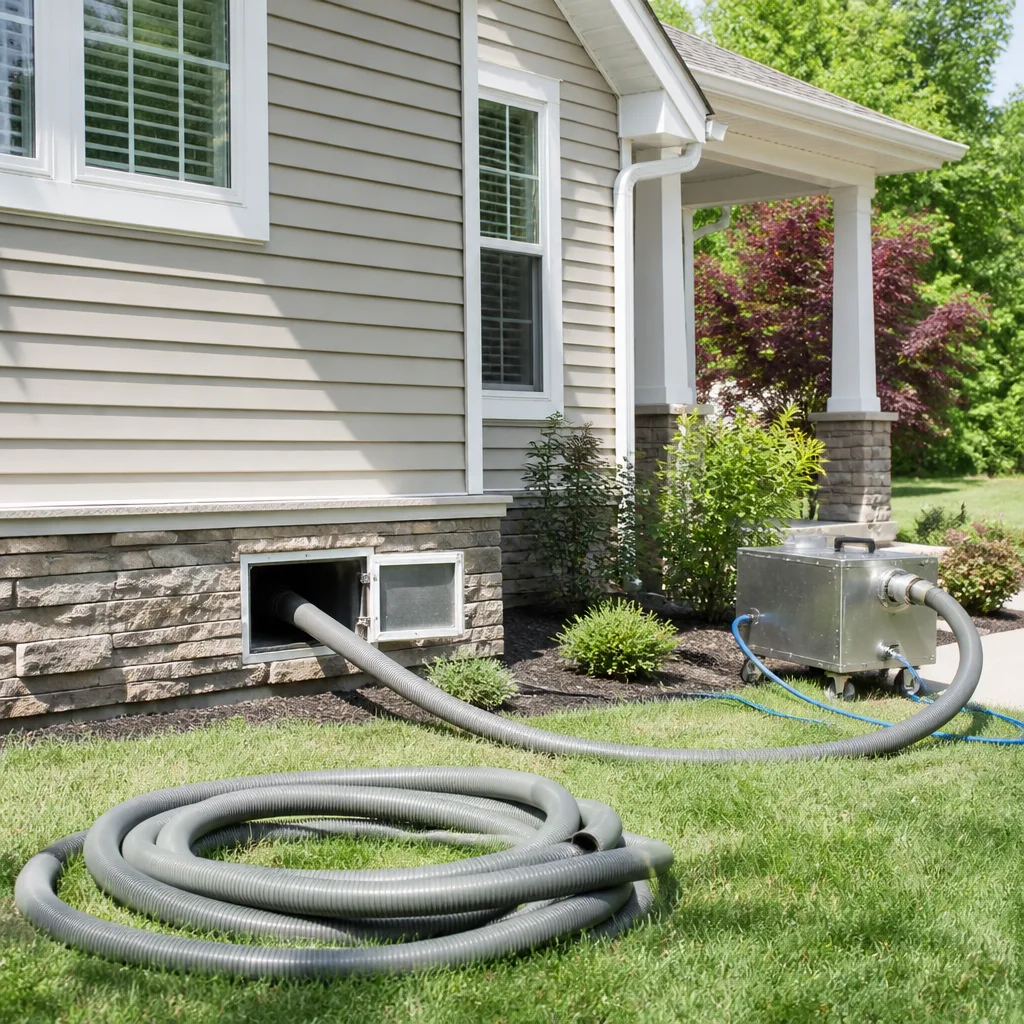 Whole-home duct cleaning
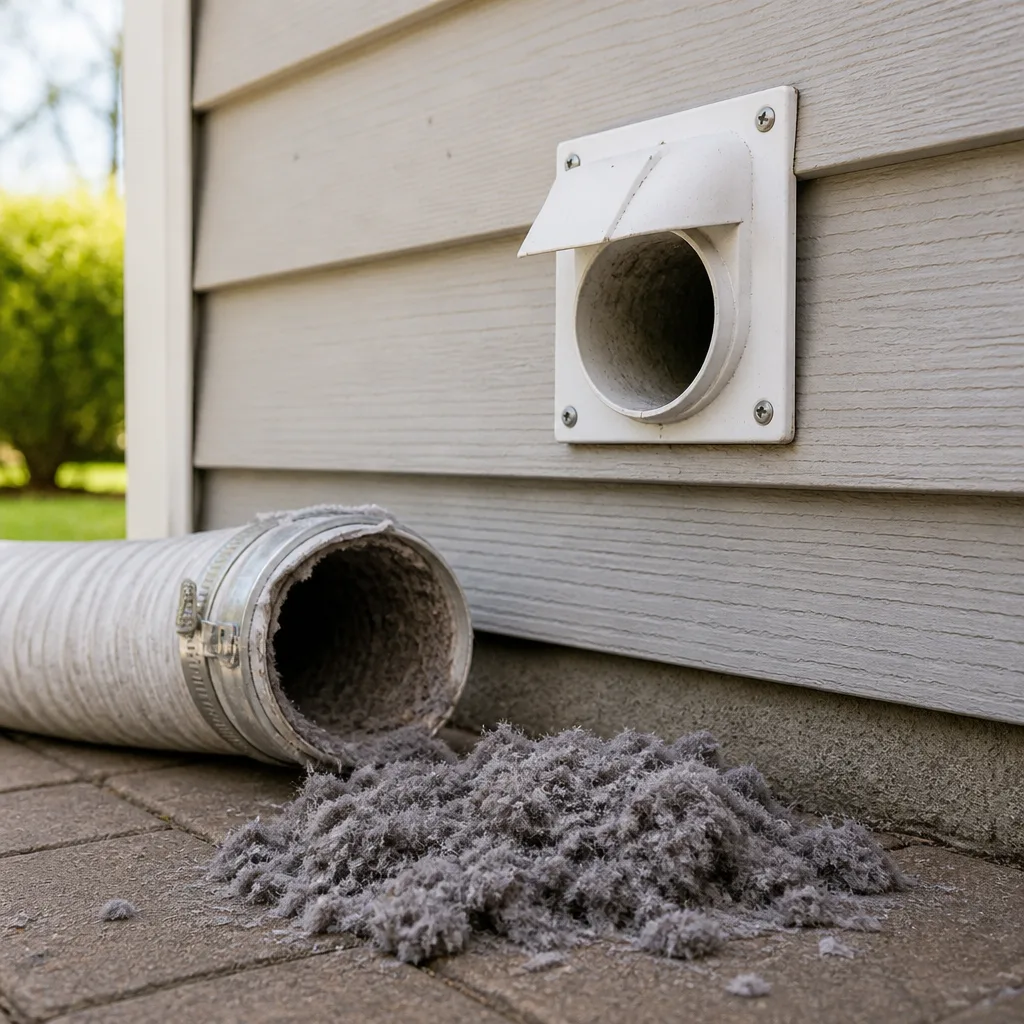 Dryer vent cleaning
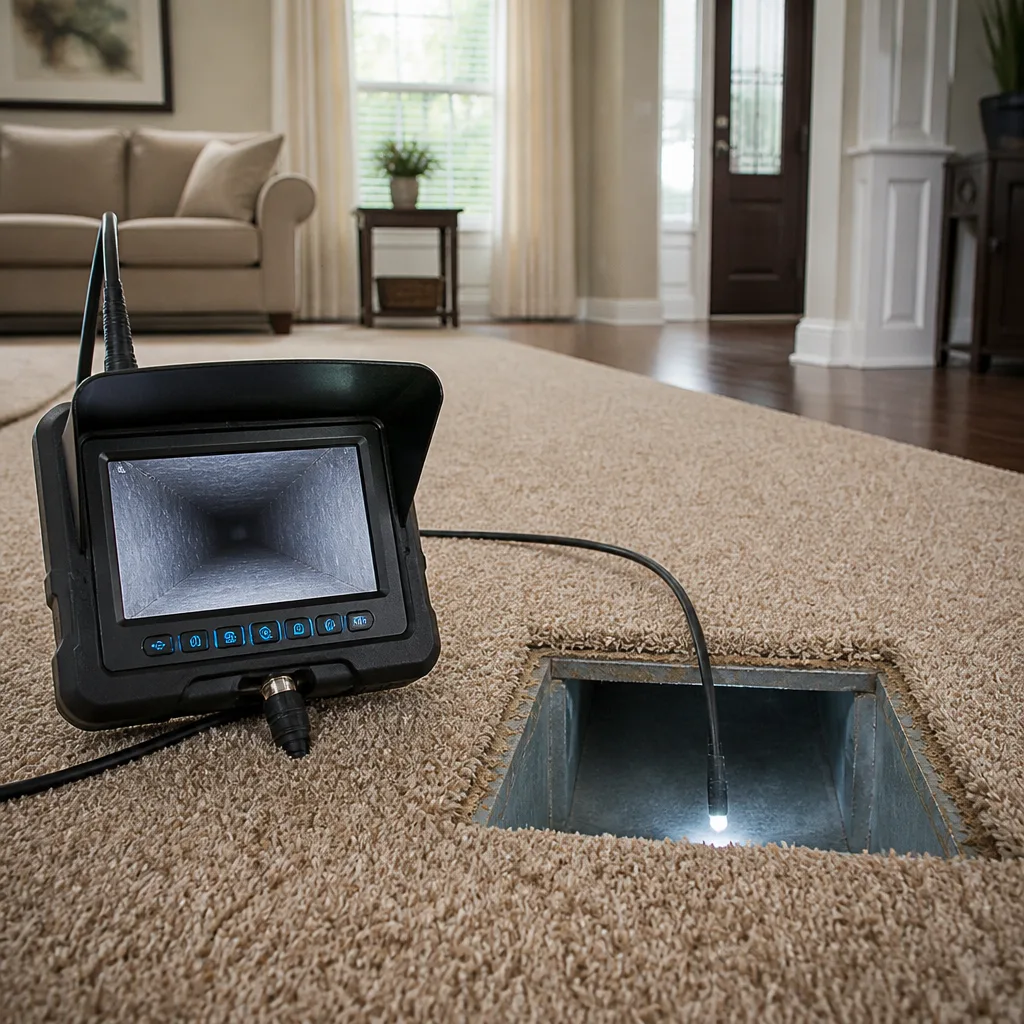 Camera inspection
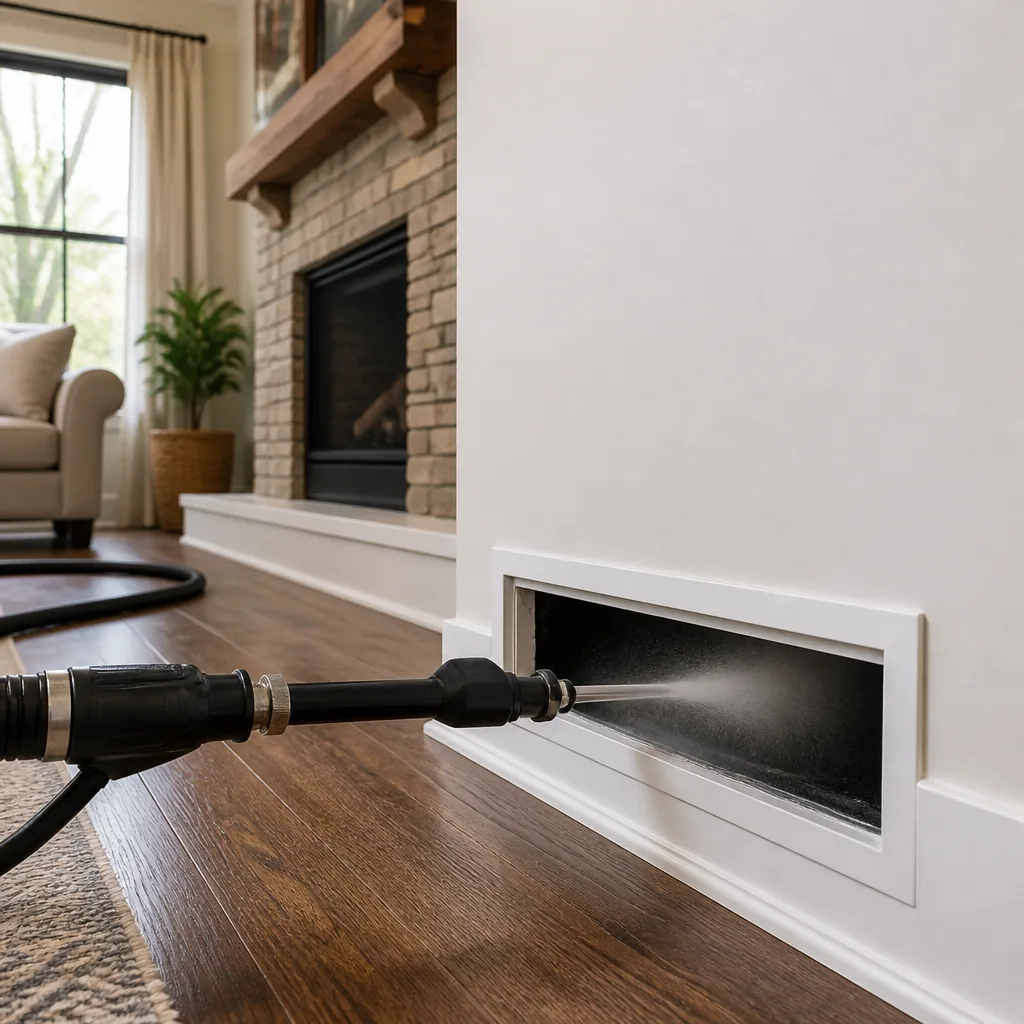 Sanitizing & deodorizing
Whole-system duct and dryer vent check with before-and-after photos - you see exactly what came out of your vents
That "$99 whole-house special" is a bait ad - the real number appears once they are in your hallway, or the "clean" is a shop-vac at the register. We photograph the inside of your ducts before and after instead.
Air Duct Cleaning Emergency Preparedness Guide for Clearfield Homes
Most homeowners assume the HVAC system is the last thing to worry about after a fire, flood, or smoke event. The opposite is true. Your ductwork is a closed loop that touches every room in the house, and once contamination gets inside, running the system spreads it everywhere. After a contained kitchen fire or a burst pipe, the single most important decision you’ll make in the first hour is whether to touch that thermostat. This guide walks Clearfield homeowners through the 24 hours after a household emergency: what to do with the HVAC system, how to tell a real smoke event from a mild one, what Utah insurance typically covers, and how to build a duct-condition record now so a future claim has a baseline to argue from.
Quick Answer
After a fire, flood, or heavy smoke event, turn the HVAC system off and leave it off until a technician assesses the ductwork. Running it pushes soot, smoke particles, and moisture into every room. In Clearfield, call for an assessment before you attempt to clean anything yourself, and document the duct condition with photos before any remediation begins.
Styles & brands we work with
- Whole-home duct cleaning
- Dryer vent cleaning
- Camera inspection
- Sanitizing & deodorizing
Table of Contents
- What to Do With Your HVAC System After a House Fire
- Flood and Moisture Events: The 48-72 Hour Window
- Wildfire Smoke Infiltration: When Ducts Need Professional Attention
- What Utah Homeowner’s Insurance Covers for Duct Remediation
- Pre-Emergency Documentation: Building Your Baseline
- What a Post-Emergency Duct Assessment Involves
- Everyday Habits That Protect Your Duct System
What to Do With Your HVAC System After a House Fire
Turn the system off at the thermostat and, if you can reach it safely, at the breaker. Then leave it alone. Even a fire confined to one room produces smoke that travels through return-air pathways and settles inside duct runs, and a running system turns those ducts into a distribution network for combustion byproducts. The instinct to “air the house out” by running the fan is the most common and most damaging mistake we see after fire calls in Clearfield.
A proper post-fire duct assessment is not a visual glance. It involves:
- Inspecting the air handler, blower compartment, and evaporator coil for soot deposits
- Checking return-air grilles and the plenum for smoke residue
- Looking inside representative duct runs with a camera to judge how far contamination traveled
- Testing for lingering smoke odor at supply registers room by room
- Documenting findings with photos before anything is cleaned
Soot is oily and acidic. Left on galvanized duct interiors and coil fins, it can pit metal and shorten equipment life. Smoke residue also clings to flexible duct liner, which is why some runs need replacement rather than cleaning. In our experience, fires that stay contained to a single room still leave measurable contamination in the return system, and the assessment is what tells you the difference.
Once the assessment is done, professional cleaning uses agitation-based equipment like the Rotobrush system to loosen and extract residue, with containment and air scrubbing from Abatement Technologies keeping particles out of the rest of the house during the work. If the ducts are sound but the odor lingers, sanitizing follows. If the fire compromised duct integrity, we repair and seal what we find, right then, rather than handing you off mid-project.
Flood and Moisture Events: The 48-72 Hour Window
Water inside a duct system starts a mold clock. In the right conditions, mold can begin colonizing wet porous materials within 48 to 72 hours, and duct liner, insulation, and debris are ideal surfaces. That window is your decision point: dry and assess fast, or accept that affected runs may need replacement.
Clearfield sits near flood-zone edges and has housing stock old enough that some duct systems were installed long before modern moisture barriers became standard. A sump backup, a burst supply line, or groundwater intrusion after a heavy spring melt can wick into basement and crawlspace ductwork without any obvious standing water in the living space.
What to do in order:
- Shut off the HVAC system so it doesn’t blow moist air through the house.
- Photograph everything wet, including duct registers and any visible duct surfaces.
- Remove standing water and start structural drying of the surrounding space.
- Call for a duct assessment within the first 48 hours if any duct material got wet.
- Do not run the system again until the ducts are confirmed dry and clean.
Flexible duct with wet liner usually cannot be salvaged; rigid metal often can be cleaned and dried if the response is fast. The assessment tells you which case you’re in, and that matters for both your health and your insurance claim.
Wildfire Smoke Infiltration: When Ducts Need Professional Attention
Not every smoke event requires duct cleaning. Clearfield’s proximity to wildfire corridors means summer smoke events are a recurring reality, and the right response depends on intensity and duration. Extended filter cycling is often enough for light, short-lived smoke. Professional duct intervention becomes the right call when smoke has been heavy for days, when the odor persists inside the house after outdoor air clears, or when you can see visible residue on registers and return grilles.
Here’s a practical way to judge it:
- Light smoke, one or two days: keep windows closed, run the system on fan with a high-MERV filter, replace the filter afterward.
- Heavy smoke, several days, odor lingers: schedule an assessment. Smoke particles this fine settle into duct surfaces and filter cycling alone won’t remove them.
- Visible ash or residue at registers: professional cleaning is warranted; don’t run the system until it’s assessed.
- Anyone in the home with respiratory sensitivity: err toward assessment rather than waiting it out.
During remediation, air scrubbing and containment matter as much as the cleaning itself. Abatement Technologies equipment is built for exactly this scenario, and it’s part of why we treat smoke events as an air-quality job, not just a duct job. Clean ducts are only the beginning; if smoke has been a recurring problem, upgrading filtration with a Honeywell or Aprilaire system gives your home a standing defense for the next event.
What Utah Homeowner’s Insurance Covers for Duct Remediation
Most Utah homeowner policies cover duct cleaning and remediation when it’s tied to a covered peril like a fire, burst pipe, or wind-driven smoke event. Routine maintenance cleaning is almost never covered, so the coverage question turns on documentation: can you show the insurer that the contamination came from the covered event?
What to document, in order:
- Photos of the damage source (fire damage, water line, smoke staining) before any cleanup
- Photos of duct registers, returns, and any visible interior contamination
- The date and time the event occurred, and the date the HVAC system was shut off
- A written assessment from the duct professional, with before-and-after photos of the actual system
- Any contractor invoice tied specifically to duct remediation, not lumped into general cleaning
Keep the assessment separate from the cleaning invoice if your insurer asks for it that way; some adjusters want to see the diagnostic step documented independently. If you’re unsure whether your policy covers it, call your agent before remediation starts and get the answer in writing. The cost of a professional assessment is small next to a denied claim.
Pre-Emergency Documentation: Building Your Baseline
The single best thing you can do for a future insurance claim is to document your duct system now, before anything happens. A baseline record lets you show an adjuster exactly what condition the system was in prior to the event, which removes the argument about pre-existing contamination.
What belongs in a duct-condition file:
- Date-stamped photos of every accessible register and return grille
- A photo of the air handler and filter with the filter’s MERV rating visible
- Any prior cleaning or repair invoices, with dates
- A short written note of the duct type (rigid metal, flex, or a mix) and approximate layout
- The date and result of your last professional assessment, if you’ve had one
Store the file digitally so it survives a house fire, and email a copy to yourself. This takes maybe twenty minutes and it’s the difference between a smooth claim and a fight.
What a Post-Emergency Duct Assessment Involves
A real assessment answers three questions: how contaminated is the system, what kind of contamination is it, and is the ductwork structurally sound enough to clean rather than replace. Here’s what that looks like in practice for a Clearfield home.
We start with a visual walk-through of every register and return, photographing as we go. From there, a camera inspection of representative duct runs shows how far contamination traveled and whether liner is compromised. The air handler and coil get checked for residue. If the event involved water, moisture readings confirm whether duct materials are actually dry. Findings go into a written summary you can hand to an insurer, with before-and-after photos once cleaning is complete.
Cleaning itself uses professional-grade equipment, not consumer shortcuts: a Rotobrush system for agitation-based cleaning of the duct interior, with containment and air scrubbing during the work so nothing re-enters the living space. If the assessment turns up damaged or disconnected runs, sealing and repair happen as part of the same job. From intake to outlet, the whole system gets addressed in one visit rather than parceled out.
Everyday Habits That Protect Your Duct System
Most emergency duct problems are made worse by neglect that built up long before the event. A few habits keep the system in condition to survive one.
- Change filters on schedule; a clogged filter strains the system and lets debris accumulate downstream.
- Keep the return grilles clear of furniture and stored items so airflow stays balanced.
- Fix small duct leaks and disconnected joints promptly; gaps let in dust and, during a smoke event, unfiltered air.
- Address moisture in basements and crawlspaces before it reaches ductwork.
- Schedule a professional assessment periodically so you know the system’s real condition, not just its surface appearance.
Common Mistakes to Avoid
- Running the HVAC system after a fire before it’s assessed. This is the biggest one. The system distributes soot and smoke particles into every room, and the contamination gets harder and more expensive to remove.
- Assuming a small fire means small contamination. Even a contained kitchen fire sends smoke through the return-air path and into the duct system.
- Waiting past 72 hours after a flood event. Wet duct liner and insulation start supporting mold growth in that window; waiting means more replacement and less salvageable material.
- Cleaning ducts before documenting them. Once cleaned, the evidence your insurer needs is gone. Photograph first, always.
- Treating every smoke event as an emergency. Light smoke from a distant fire rarely needs duct cleaning; extended filter cycling handles it. Judgment matters here.
- Hiring a cleaning crew that only cleans. If the assessment turns up damaged or disconnected ducts, a clean-only outfit hands you off mid-project. Look for a provider that repairs and seals too.
- Skipping the pre-emergency baseline. No documentation means no reference point, and a contested insurance claim.
See the difference
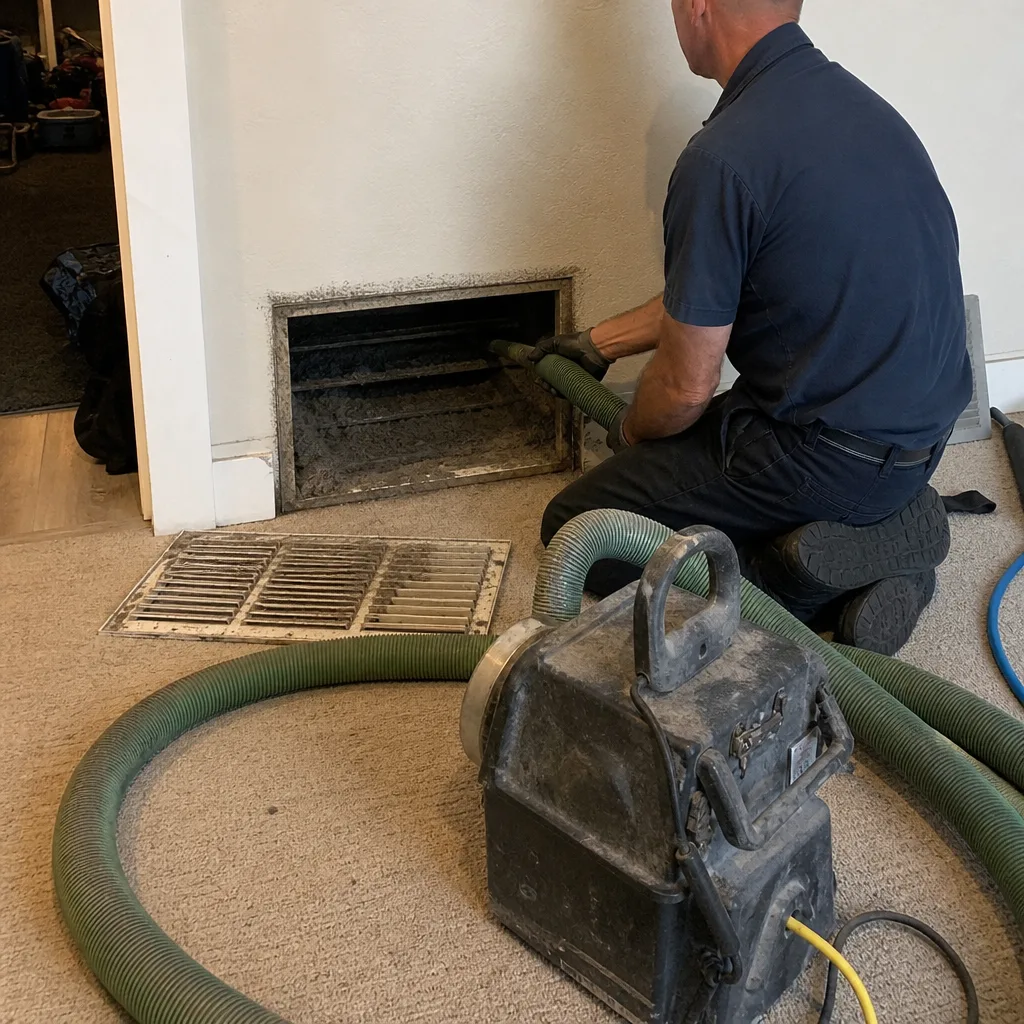 Before
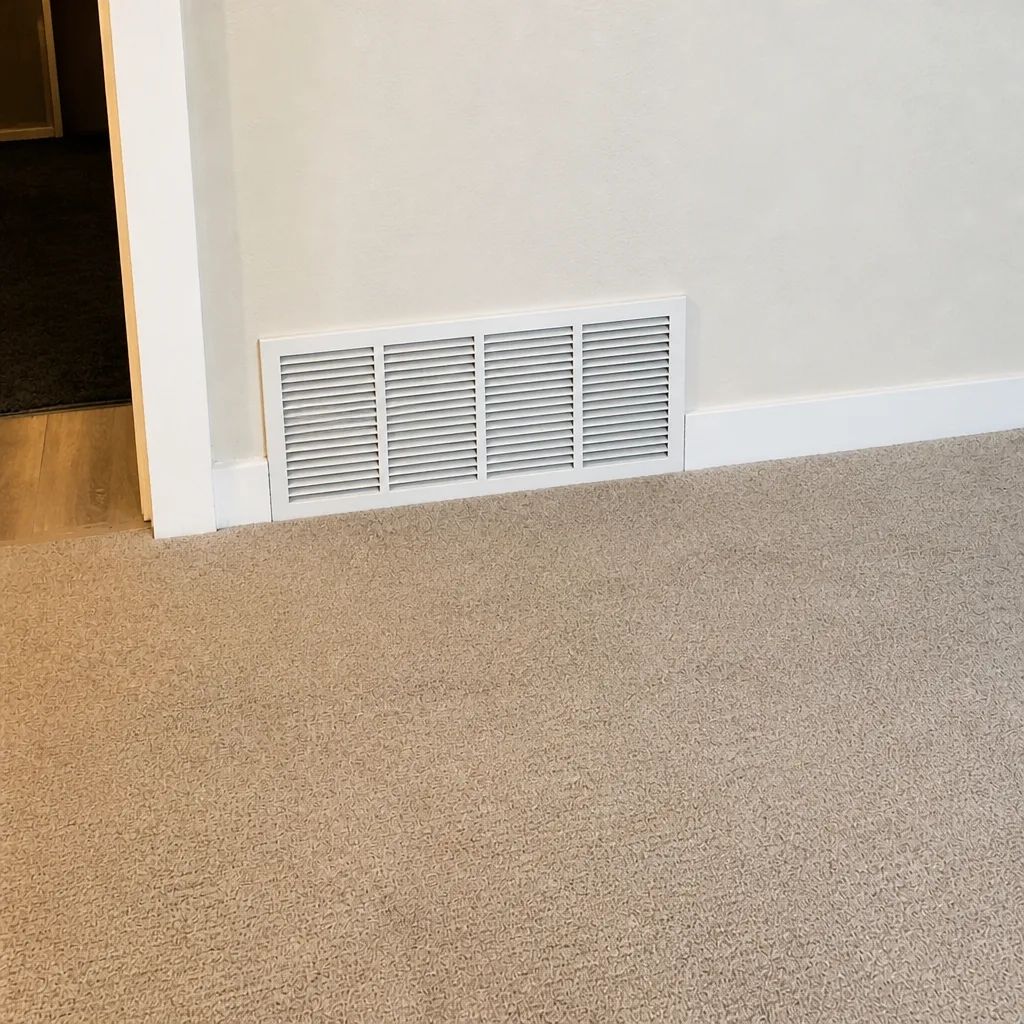 After
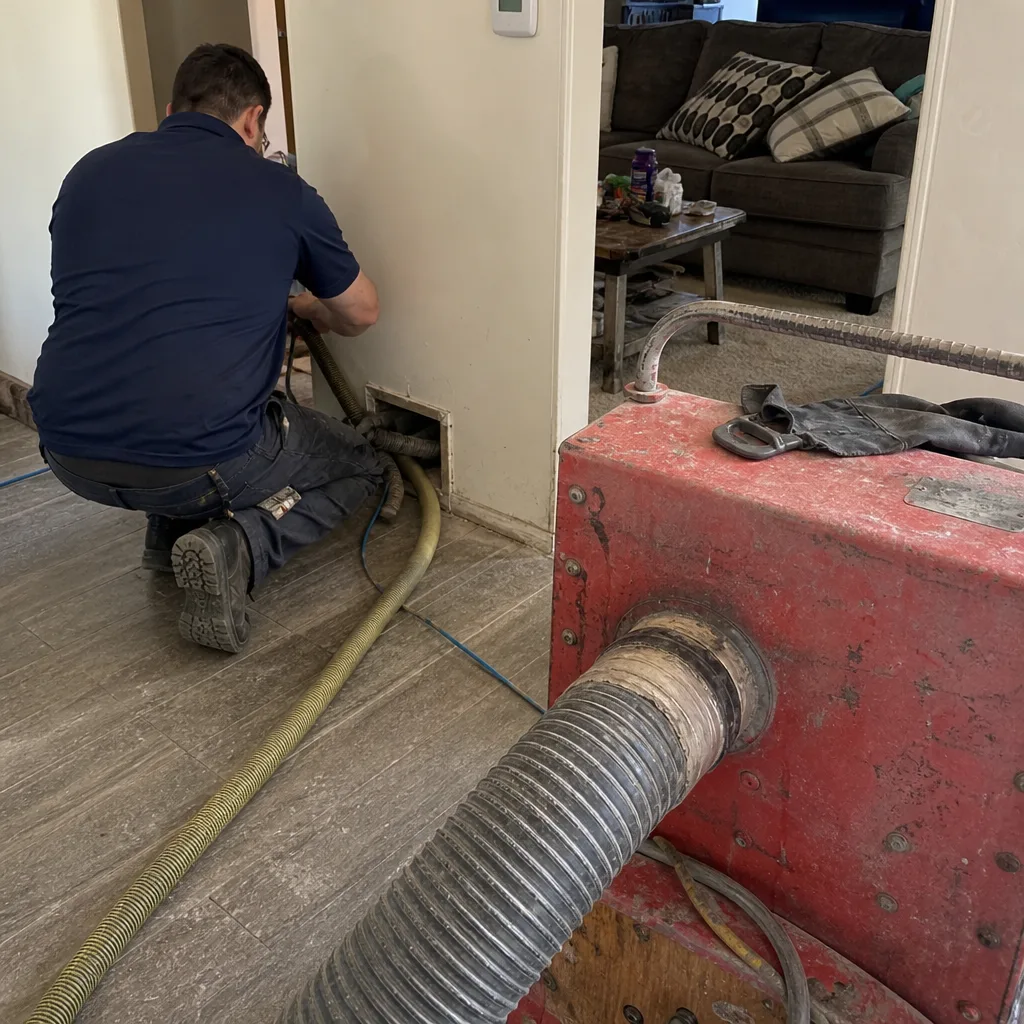 Before
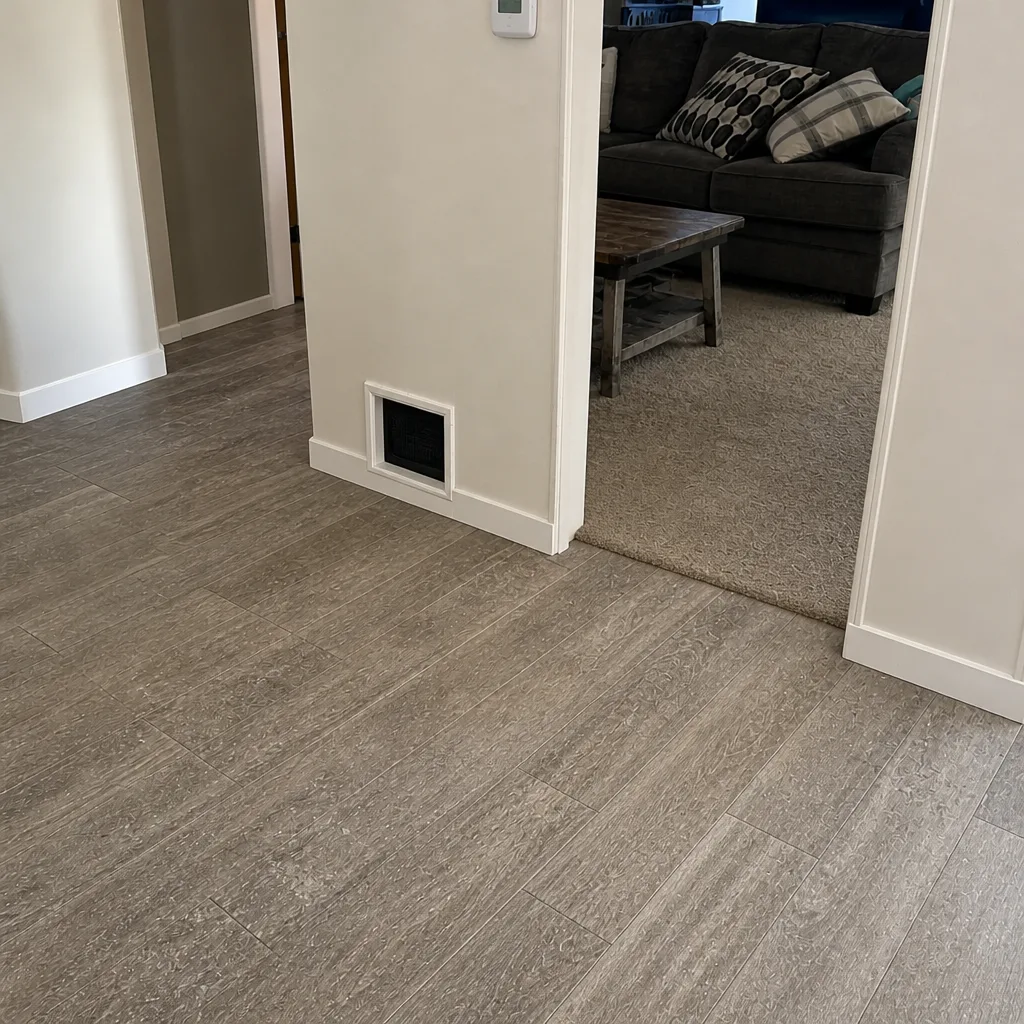 After
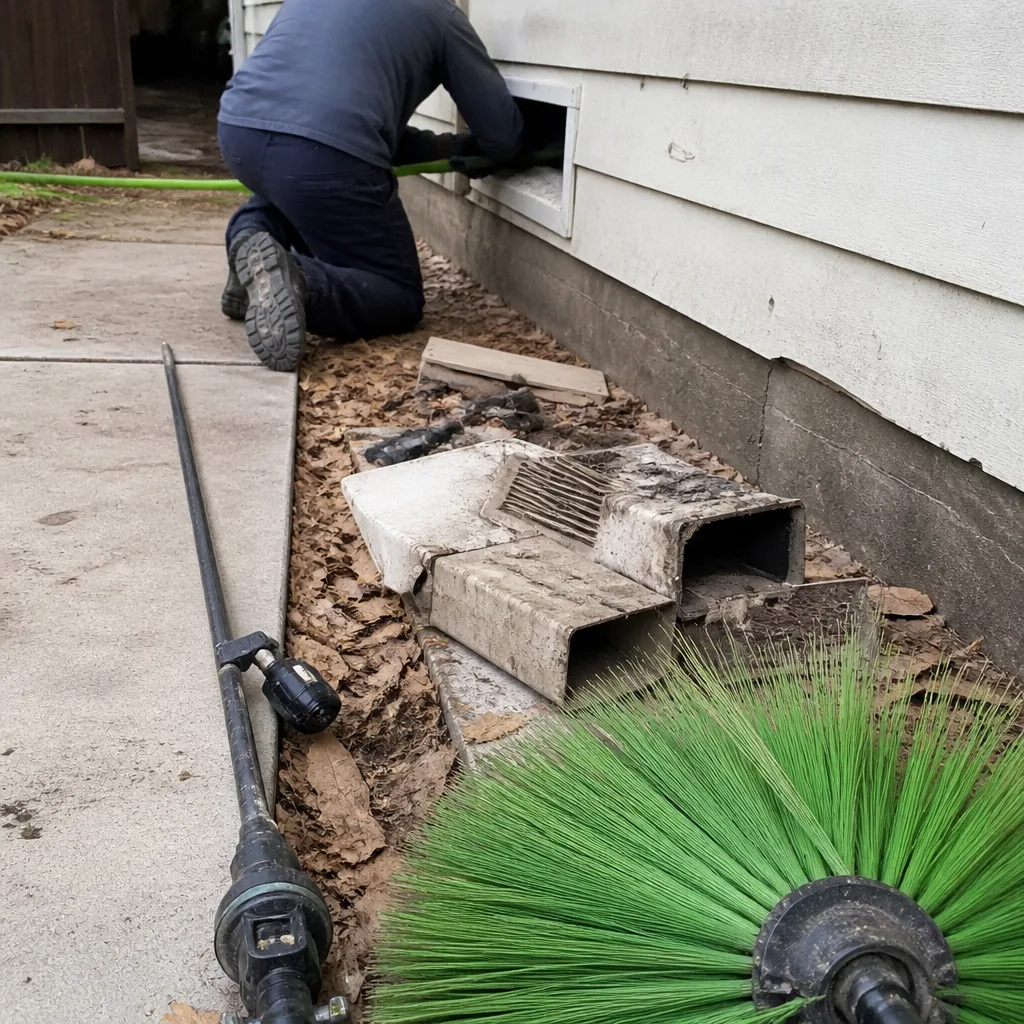 Before
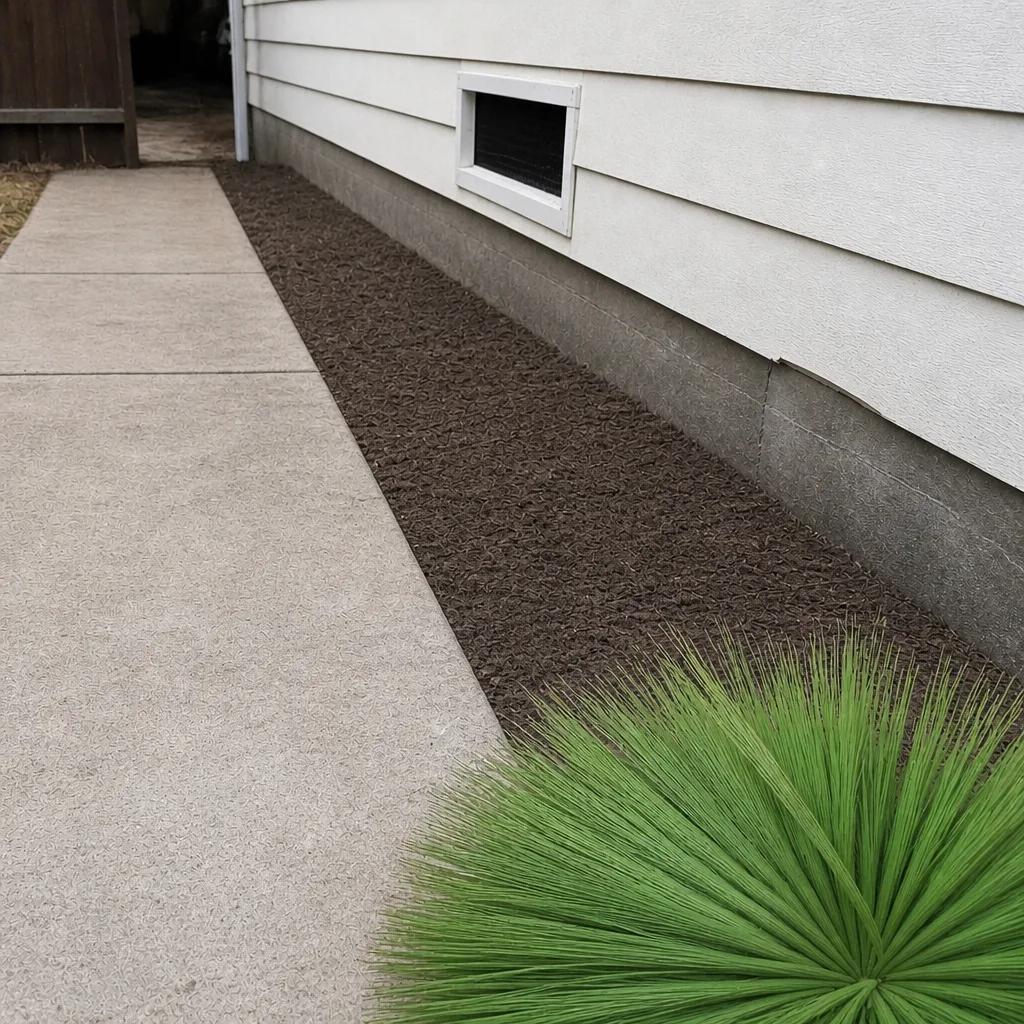 After
When to Call a Professional
Call after any fire, even a contained one, before you turn the HVAC system back on. Call after any water event that touched duct material, within 48 hours. Call after a heavy smoke event if odor lingers inside the house once outdoor air clears, or if you can see residue at registers. Call if anyone in the home has respiratory sensitivity and you’re unsure whether the last smoke event mattered. And call if you simply want a professional assessment and baseline documentation before anything happens. Clearfield Air Duct Cleaning offers free estimates in Clearfield. Call (833) 468-5771. We answer 24/7. Fast dispatch from 7am to 7pm, Sunday through Friday. One flat price per system is agreed before work starts, and you get before-and-after photos of your own ducts.
Frequently Asked Questions
Air duct cleaning is priced per system, not per vent, and the written estimate sets the final price. We give one flat price after assessing the system, so there’s no surprise invoice once a technician is on site. Call (833) 468-5771 for an exact quote. Estimates are free.
Cheap quotes usually come from crews using consumer-grade vacuums and pricing per vent to make the number look small until it grows on site. Professional equipment costs more to run, and a real assessment takes time. Ask what equipment the crew uses and whether a written whole-system price is provided before work starts.
As soon as the assessment is complete and the home is cleared for re-entry. The system should stay off until then, and the goal is to clean before soot has time to settle deeper into duct surfaces.
You should receive before-and-after photos of your own ducts, not stock images. Ask for a written summary of what the assessment found and what was cleaned. A provider that can’t show you your own system’s condition hasn’t shown you the work.
Often yes, when the cleaning is tied to a covered peril like fire or a burst pipe. Document the damage before cleanup, keep the assessment separate from the cleaning invoice if your insurer asks, and confirm coverage with your agent in writing.
No. Running the fan pushes smoke and combustion particles through every duct run and into every room. Keep the system off, ventilate with windows and portable air movers if outdoor air is clear, and get the ducts assessed. Call (833) 468-5771 if you’re unsure whether the event warrants a visit. Estimates are free.
The Bottom Line
The system needs to stay off after a fire or flood, not get “aired out.” Moisture inside a duct creates a mold timeline with a 48-72 hour decision point, and heavy wildfire smoke needs an assessment rather than endless filter cycling. Documentation decides whether your Utah claim gets paid, and a pre-emergency baseline in a duct-condition file is the cheapest insurance against a fight later. Clearfield homeowners near wildfire corridors and flood-zone edges benefit most from getting that record in place now. When the assessment or cleaning is needed, call (833) 468-5771 for a free estimate. We answer 24/7. Fast dispatch from 7am to 7pm, Sunday through Friday.
Written by the team at Clearfield Air Duct Cleaning.