
Last updated November 24, 2026
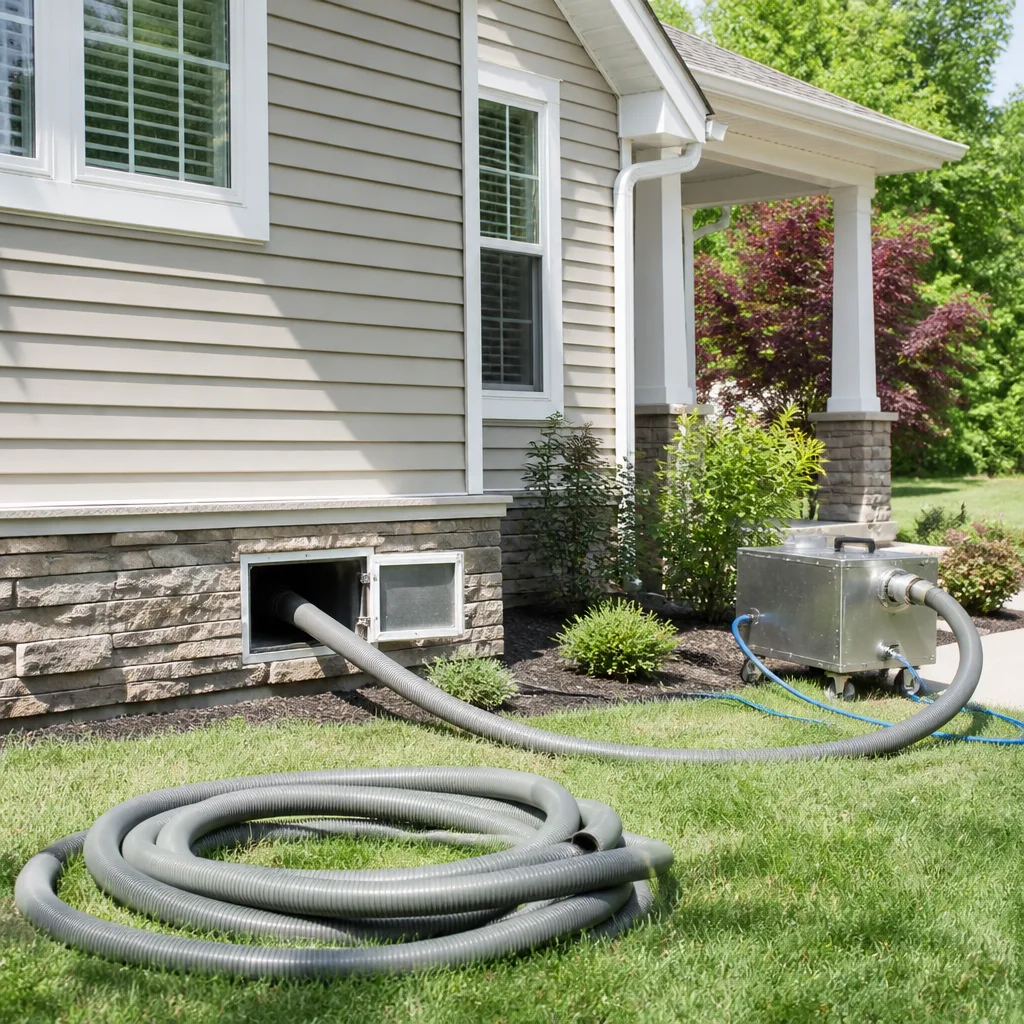 Whole-home duct cleaning
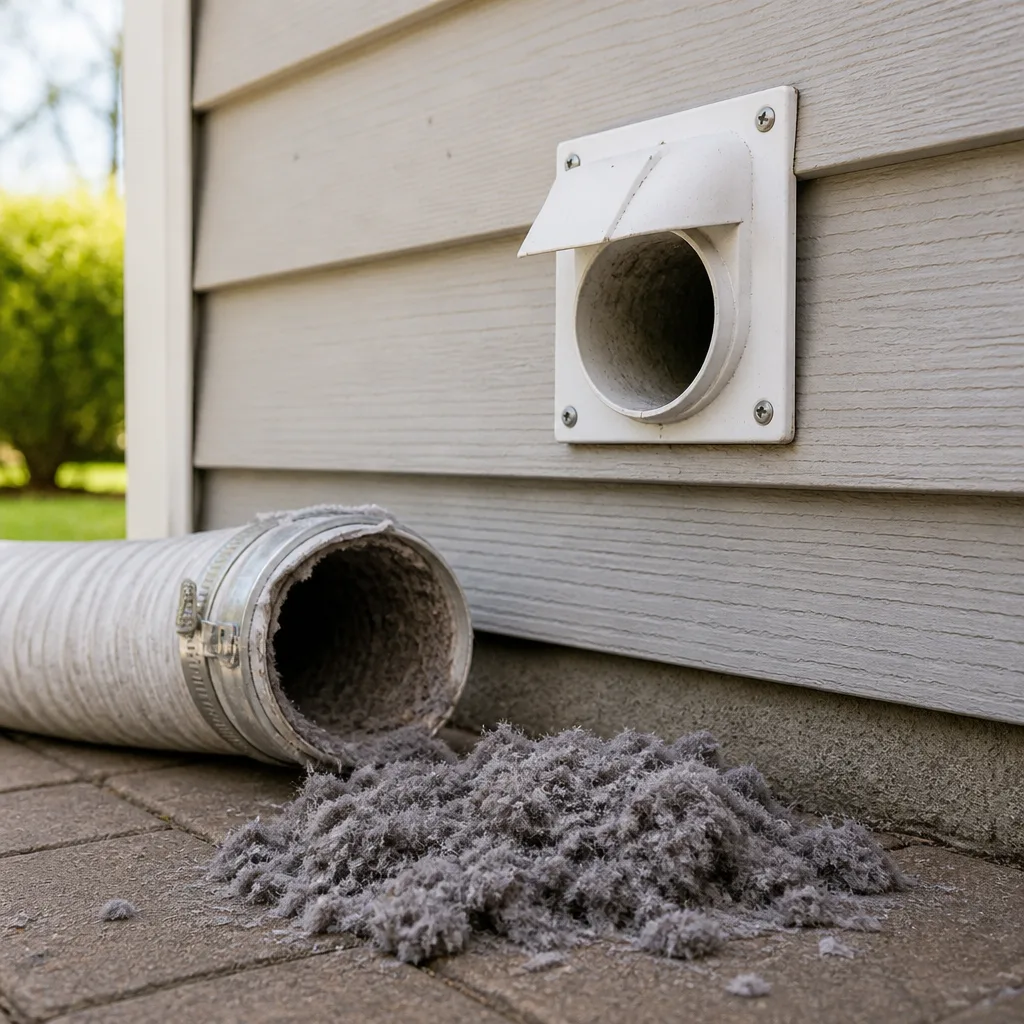 Dryer vent cleaning
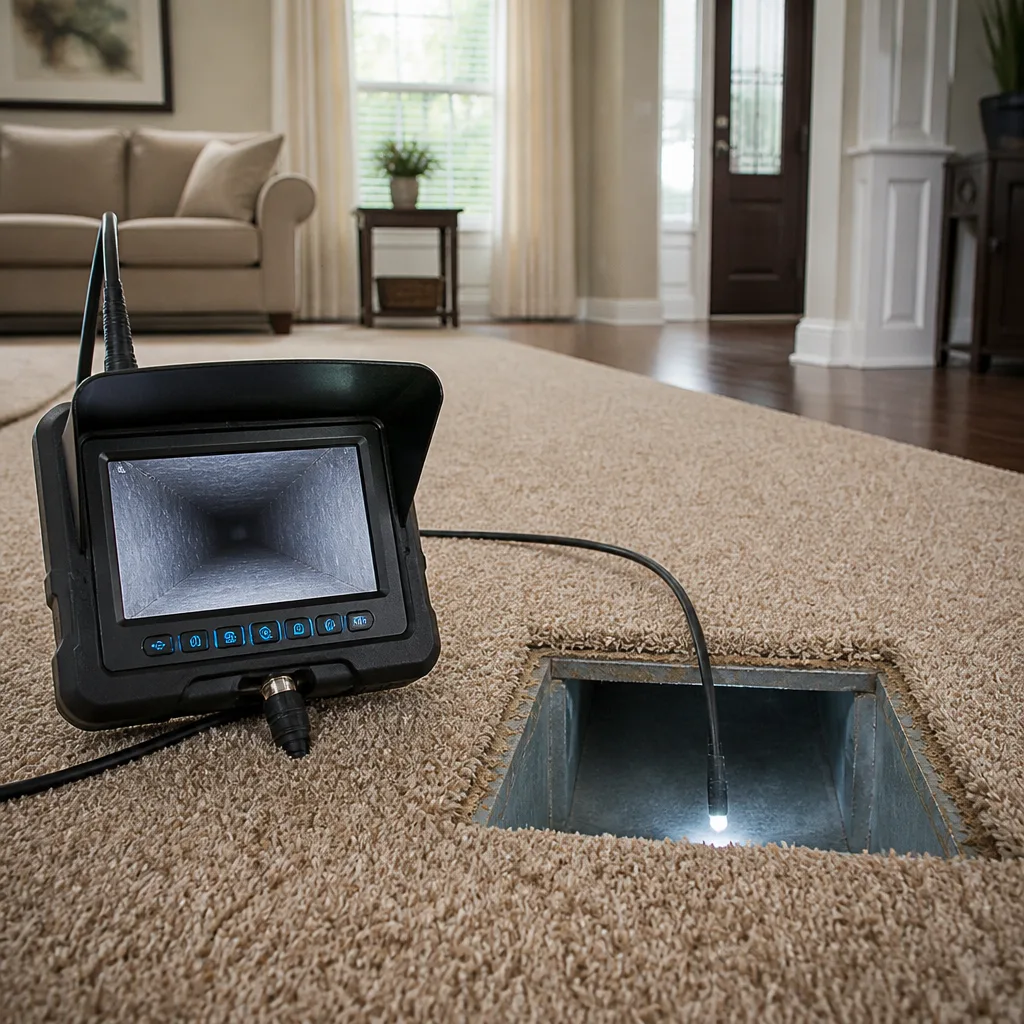 Camera inspection
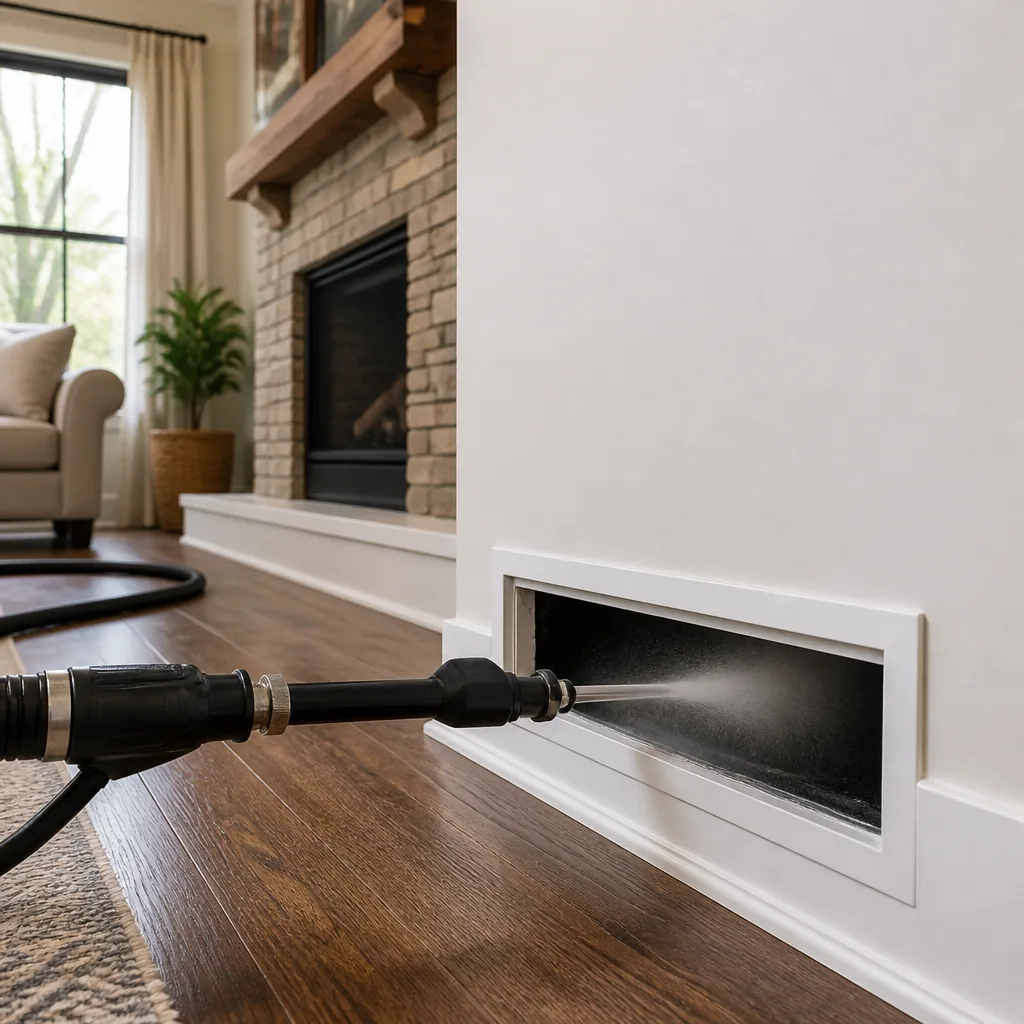 Sanitizing & deodorizing
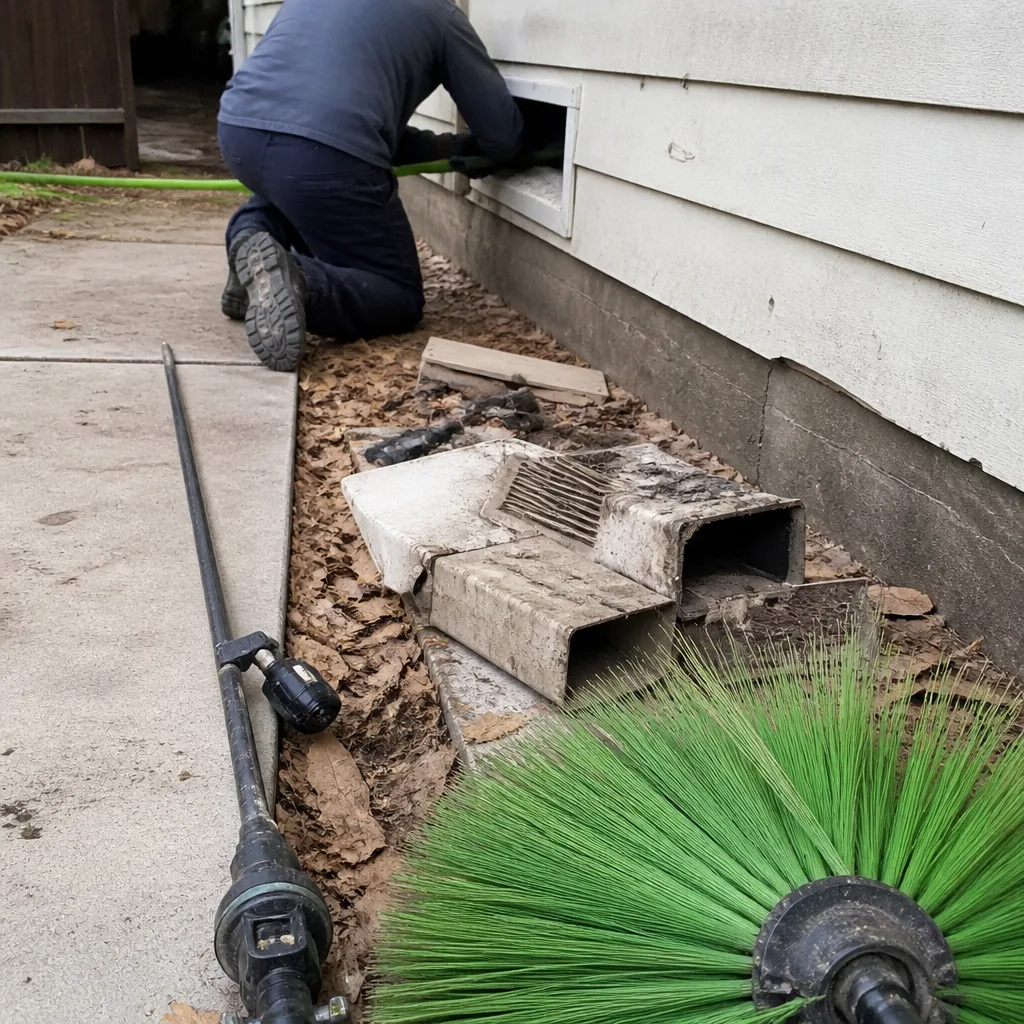
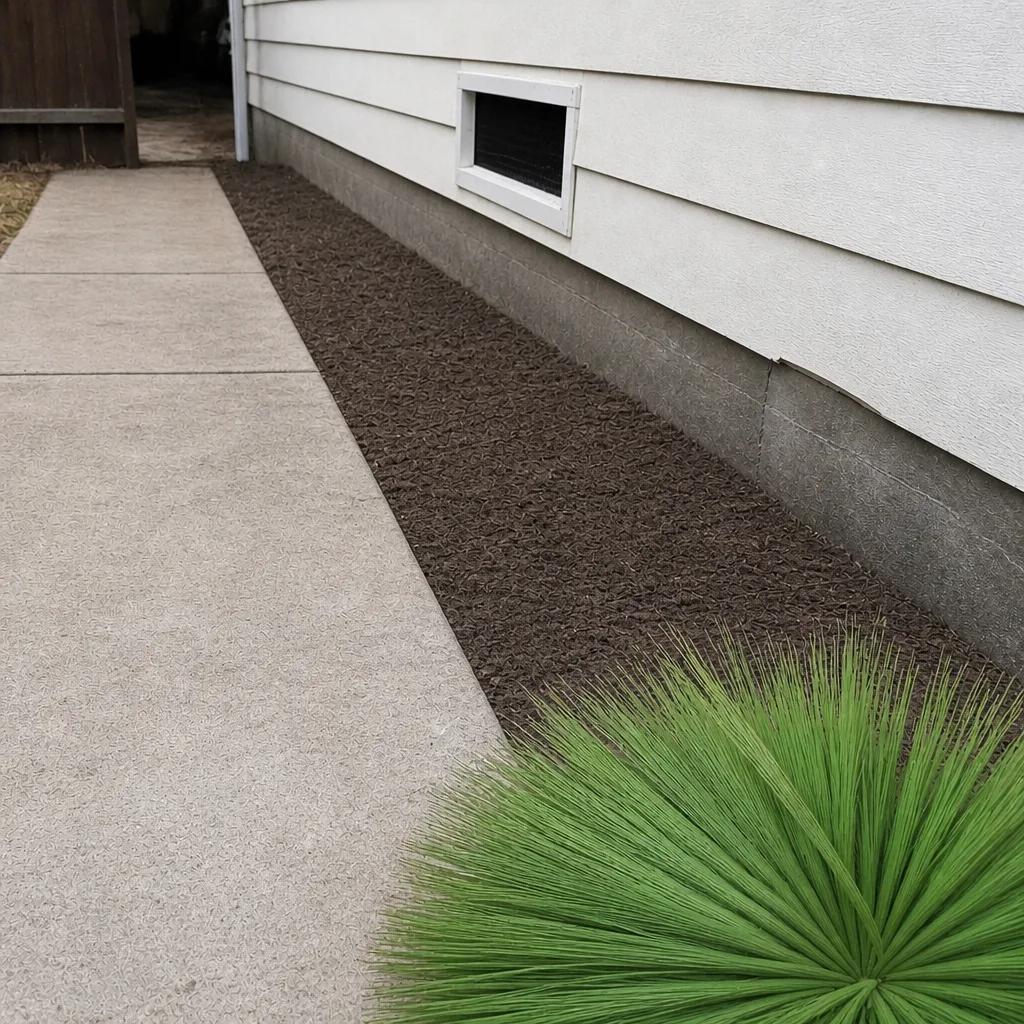
Whole-system duct and dryer vent check with before-and-after photos - you see exactly what came out of your vents
That "$99 whole-house special" is a bait ad - the real number appears once they are in your hallway, or the "clean" is a shop-vac at the register. We photograph the inside of your ducts before and after instead.
DIY vs Professional Air Duct Cleaning: The Clearfield Homeowner’s Decision Guide
Here’s the part most guides skip: a consumer drill-and-brush kit can clean the first 18 inches of a duct run pretty well. The trouble is that contaminant loads don’t sit in the first 18 inches. They settle 4 to 8 feet in, exactly where a consumer tool can’t reach without pushing the debris deeper into the system. That single measurement explains most of the DIY-versus-professional question in Clearfield. DIY duct cleaning isn’t dangerous or foolish. It’s structurally limited, and knowing precisely where that limit falls tells you which dollars are worth spending. This guide maps what homeowner tools can and can’t touch, the cases where DIY genuinely helps, and the scenarios that always need professional equipment. You’ll finish knowing which camp your Clearfield home belongs in.
Quick Answer
DIY air duct cleaning works for surface-level upkeep: register covers, accessible plenum surfaces near the furnace, and dryer vent lint traps. It stops working once you need the full length of a duct run cleaned, because no consumer tool creates the negative pressure required to pull debris out rather than push it around. Professional cleaning is the right call for any system that hasn’t been cleaned in 5 or more years, after a renovation, or when there’s mold suspicion or vermin evidence. Everything in between is a judgment call this guide helps you make.
Styles & brands we work with
- Whole-home duct cleaning
- Dryer vent cleaning
- Camera inspection
- Sanitizing & deodorizing
Table of Contents
- What DIY Tools Can and Cannot Reach Inside Your Ducts
- Where DIY Maintenance Genuinely Adds Value
- Why Negative Pressure Changes Everything
- The Scenarios That Always Require Professional Equipment
- A Decision Matrix for Clearfield Homes
- What Professional Duct Cleaning Actually Involves
- When Cleaning Reveals a Repair Problem
- Common Mistakes to Avoid
- Frequently Asked Questions
What DIY Tools Can and Cannot Reach Inside Your Ducts
Consumer duct cleaning tools share one physical trait: they’re short, flexible, and powered by a hand drill. That design sets a hard ceiling on reach. A typical homeowner kit includes a brush head on a flexible rod, maybe 3 to 6 feet of extension, driven by a cordless drill at low torque. It works because it agitates dust loose. It fails because nothing is carrying that dust away.
Think of the duct run as three zones:
- Zone 1, the first 18 inches from the register: fully reachable. A drill brush handles this stretch well. Loose dust and debris near the vent opening lift out with a shop vac.
- Zone 2, roughly 2 to 4 feet in: partially reachable. The brush gets there, but it’s working blind, and every pass pushes as much debris down the run as it lifts back out.
- Zone 3, 4 to 8 feet in and beyond: out of reach for consumer tools entirely. This is also where the heaviest contaminant loads collect, because airflow slows along the run and drops what it’s carrying. Elbows, takeoffs, and the plenum transition above the furnace are the worst offenders.
Inside a Clearfield home, that last zone matters. Winter heating season runs long here, and a furnace pushing warm air for months at a time moves a lot of dust through the same runs. The debris that settles in Zone 3 is the debris you’d most want removed, and it’s the debris your drill brush can’t touch. Professional equipment reaches Zone 3 with rotating agitation heads on 35-foot cables and a vacuum source strong enough to hold what the brush loosens. When you read about air duct cleaning done properly, this reach is the difference being described.
Where DIY Maintenance Genuinely Adds Value
We’re not going to tell you to put the shop vac away. Several maintenance tasks are worth doing yourself, and they make professional cleaning more effective when it does happen.
- Register covers and grilles. Pop them off, wash them in the sink with dish soap, dry, and reinstall. Dust and pet hair build up fast on the fins, and a clean grille improves airflow at the room level immediately. This is a 15-minute job and there’s no professional advantage to paying for it.
- Accessible plenum surfaces. The sheet-metal box just above the furnace and below the evaporator coil collects a visible dust film. Wiping down surfaces you can physically see and reach is fine and helps you spot problems early.
- Dryer vent lint trap and the short run behind the dryer. Pull the lint screen after every load. Vacuum the trap housing with a crevice tool. You can also disconnect the flexible transition duct behind the dryer and clear the first foot or so by hand. This one earns its keep twice over: lint is a real fire risk, and dryer vent cleaning is one of the most overlooked safety items in a home. For the longer run up through the wall and out the roof or foundation, though, call a pro.
- Return-air grille filters. If you run a filter at the return, change it on schedule. That keeps debris out of the run in the first place, which is cheaper than cleaning it out later.
These tasks add up to maybe 30 minutes of work a few times a year. What they don’t do is clean a duct run. They prevent the top inch of the problem and make the rest easier to solve.
Why Negative Pressure Changes Everything
Here’s the core reason DIY cleaning has a ceiling: without negative pressure, you’re redistributing contaminants, not removing them. A drill brush loosens dust into the air stream inside the duct. With no vacuum attached to the system, that dust has nowhere to go but back into the room through the nearest register, or deeper into the run to settle again.
Professional cleaning inverts the airflow. A high-powered vacuum connects to the main trunk or a dedicated access port and pulls the entire duct system into negative pressure before any agitation starts. Then the technician runs rotating brushes and air whips through every branch. Debris lifts, gets caught in the moving air, and travels toward the vacuum instead of into your living room. The physics is the whole method.
We use Rotobrush air duct cleaning systems for this because they combine agitation and vacuum in one pass, and we add Abatement Technologies air scrubbers and containment gear to keep the surrounding air clean while we work. That’s an indoor air quality control step, not a marketing bonus. If dust escapes during cleaning, the job isn’t finished. Our technicians reach into the system with equipment sized for residential runs, and the negative pressure you can’t replicate with a shop vac is the reason the cleaning actually removes what you’re worried about.
The same principle applies to HVAC cleaning. Cleaning the coil and blower housing without negative pressure just blows the dust around. Cleaning them under containment pulls it out.
The Scenarios That Always Require Professional Equipment
Some situations have no honest DIY path. If any of these describe your home, skip to a professional cleaning:
- Post-renovation debris. Drywall dust, sawdust, insulation fibers, and construction grit settle into every branch of the system and travel through the runs for months after the work ends. Construction dust is fine and abrasive. It clogs coils, coats blower wheels, and balances out of every room it reaches. A shop vac can’t clear a full run of it.
- Mold suspicion. Visible growth on or around a register, a persistent musty smell when the system runs, or moisture staining near the air handler all point toward a mold problem in the ducts or the evaporator. Mold remediation requires containment, air scrubbing, and antimicrobial treatment, which is a professional setup. We use Abatement Technologies equipment for exactly this reason, and sanitizing is a separate service from cleaning.
- Vermin evidence. Droppings, nesting material, or an active rodent or insect problem in the ductwork means cleaning is only half the job. Access points have to be found and sealed, or the problem returns.
- A system not cleaned in 5 or more years. The contaminant load in a long-neglected system is too heavy for zones 1 and 2 alone to make a difference. Cleaning 18 inches of a decade-old run is a cosmetic gesture.
- Significant water intrusion. Flooding in a basement or a leaking coil can wet ductwork and insulation. Wet insulation inside a duct needs evaluation for replacement, not cleaning.
We install and service Honeywell and Aprilaire air quality products too, so when the right answer is better filtration or a whole-home air treatment rather than cleaning alone, we can handle both sides of the conversation. That’s the Clearfield Air Duct Cleaning approach: from intake to outlet, not one service in isolation.
A Decision Matrix for Clearfield Homes
Most homeowners fall somewhere between “DIY is fine” and “call immediately.” This matrix maps the middle. It’s a guide, not a rulebook, but it reflects how we think about residential duct systems in Clearfield.
| Your Home’s Situation | Recommended Approach | Why |
|---|---|---|
| Cleaned within the past 2-3 years, no pets, no smokers, no renovation | DIY maintenance only | You’re in upkeep mode. Registers, plenum wipes, and dryer lint trap are enough. |
| 3-5 years since cleaning, one pet, no other red flags | DIY now, professional in the next year or two | Pet hair loads accumulate. Watch for visible dust at registers and track when it starts coming back faster. |
| 5+ years since any cleaning, regardless of other factors | Professional | Zone 3 loads in a long-neglected system need equipment you can’t rent. |
| Recent renovation or drywall work | Professional, promptly | Construction dust is the single most damaging debris type for an HVAC system. |
| Smokers in the home | Professional, on a faster cycle | Smoke residue coats duct surfaces and settles into insulation lining. |
| Multiple pets or a household with allergy concerns | Professional, on a faster cycle | Dander and hair add load fast. Cleaning frequency should reflect it. |
| Older Clearfield home with original or unknown ductwork | Professional, and ask for a duct inspection | Pre-1990s homes can have more accessible runs, but also more point for leaks and disconnected sections. |
| Newer construction in west Clearfield subdivisions | DIY initially, professional around the 3-5 year mark | New builds start clean but settle fast through the first few heating seasons. |
| Mold suspicion, vermin evidence, or water intrusion | Professional immediately | These aren’t cleaning jobs. They’re remediation jobs that start with an assessment. |
One local note worth factoring in: Clearfield gets cold, dry winters, and dry air lets dust stay airborne longer before settling. Homes heated hard through the winter tend to show register dust faster than homes in milder climates. That makes regular DIY register maintenance more valuable here than it might be elsewhere, and it’s also a reason to pay attention when the interval between cleanings shortens.
What Professional Duct Cleaning Actually Involves
If you’ve only seen duct cleaning from the coupon-ad side, the actual process looks more technical. Here’s the sequence we follow, in order:
- System assessment. The technician inspects the duct layout, the furnace, the coil, and the registers, and identifies which runs are accessible and where access ports need cutting.
- Containment setup. Vacuum equipment connects to the main trunk, and air scrubbers come on if contamination levels require it. The system goes into negative pressure before cleaning starts.
- Agitation pass. Rotobrush equipment runs through each branch, agitating debris off the duct walls while the vacuum captures it.
- HVAC component cleaning. The blower wheel, coil, and air handler surfaces get cleaned separately using Nikro equipment because duct cleaning alone doesn’t address them.
- Register and grille wash-down. Covers come off, get cleaned, and go back on.
- Sanitizing and finishing. Where appropriate, we apply Guardsman protection products and finish with sanitizing agents to address residual microbial growth.
- Before-and-after documentation. Photos of the accessibility points and duct interiors show what came out. You see the result, not just the invoice.
The price is agreed per system before any work begins, and it’s a flat price for the whole system, not a per-vent charge that climbs as the job goes. That’s the direct answer to the industry’s biggest credibility problem, where a low coupon becomes a much larger bill once the technician is on site. We estimate the work in advance and hold to the written number.
Dryer vent cleaning follows a similar discipline. The run gets brushed and vacuumed end to end, not just the first accessible foot, which is the difference between maintenance and a real safety pass.
When Cleaning Reveals a Repair Problem
Cleaning is also a diagnostic opportunity. Once the ducts are clear, problems that were hidden under dust become visible: disconnected duct sections, crushed flexible runs, gaps at the plenum, torn insulation lining, or leaks at seams that bleed conditioned air into a crawlspace. Roughly a third of the questions we get about duct cleaning end up including a repair request, because the assessment surfaces what cleaning alone can’t fix.
This is where a clean-only contractor hands you off to a different company. We handle duct repair and sealing as part of the same service, so if we find a crushed run behind the furnace, we tell you during the assessment, quote the fix, and do it before we leave. Sealing matters for a different reason too: HVAC systems here work hard through long winters, and duct leaks in a sealed, conditioned home waste that work. Leaky ducts also draw in unfiltered air from crawlspaces and attics, which is a step backward for air quality even when the ducts themselves are spotless.
The same logic applies to air quality products. If your system is clean but the air quality is still a problem, we install Honeywell and Aprilaire filtration and treatment components that address the underlying issue instead of cleaning the same dust repeatedly. Clean ducts are only the beginning.
Common Mistakes to Avoid
- Running a drill brush on high speed without a vacuum attached. The brush loosens dust faster than the surrounding air can carry it, so it blows out a register into the room. Keep the tool slow and a shop vac running at the vent you’re working near.
- Using liquid cleaners or sprays inside the ductwork. Damp dust cakes onto metal and insulation and is much harder to remove later. Dry debris and dry tools only.
- Cutting access holes without sealing them afterward. If you cut an access port into sheet metal, tape it and seal it when you’re done. An open hole leaks conditioned air year-round.
- Cleaning around a furnace that hasn’t been inspected. A furnace that hasn’t been serviced in years can have a cracked heat exchanger or blocked flue. Never reach into a furnace cabinet without knowing what you’re touching, and have the unit inspected before you work anywhere near it.
- Assuming a newer Clearfield home doesn’t need cleaning because the build is recent. New construction debris and settling dust mean a newer home can generate its first real load within a few heating seasons.
- Judging a cleaning company by the coupon. The lowest price is usually built on a per-vent charge that grows once the technician is on site. Ask for a flat price per system and before-and-after documentation before you book.
- Forgetting the dryer vent entirely. Lint buildup in a dryer vent is a genuine fire risk, and it’s often the most neglected part of a home’s air system.
Frequently Asked Questions
Typical residential duct cleaning in Clearfield runs in the range a full-system job requires, and it’s quoted as one flat price for the whole system rather than per vent. Call (833) 468-5771 for an exact quote. Estimates are free.
You can clean the first 18 inches of each run and the register area, but nothing beyond that. Debris concentrates 4 to 8 feet in, where a consumer tool can’t reach without pushing it deeper. For most systems that have gone 5 or more years without cleaning, DIY comes up short.
Cheap quotes are usually built on a per-vent price that grows once the technician is on site, or on a surface-only pass without negative pressure, containment, or equipment reach. We quote a flat price per system in advance and hold to it, with before-and-after photos so you can see the work was done.
Ask for before-and-after photos and for the accessibility points to be documented. A genuine cleaning shows visible debris removed from the vacuum capture. If a company can’t show you what came out, you’re paying for a service you can’t verify.
Most homes in Clearfield do well on a cleaning interval tied to the decision matrix above, with a shorter cycle if you have multiple pets, smokers, or a recent renovation. Long winters here mean the system runs a lot, which loads the ducts faster than in milder climates.
Yes. Drywall dust and construction grit settle into every run and travel through the system for months afterward, which is hard on the furnace and coil. Post-renovation cleaning should happen as soon as the work is finished.
When to Call a Professional
Call a professional when your system fits any scenario on the “requires” list: a renovation just finished, you smell or see something that points to mold, you’ve found vermin evidence, water got into the ductwork, or it’s simply been 5 or more years since the last cleaning. Call too if DIY register maintenance isn’t keeping up, or if dust visibly returns to registers within weeks of cleaning them. The line for DIY is clear: surface work you can see and reach, which you should absolutely do. Beyond that, professional equipment and negative pressure do the work that homeowner tools structurally can’t. Clearfield Air Duct Cleaning offers free estimates in Clearfield. Call (833) 468-5771. We answer 24/7, with fast dispatch from 7am to 7pm, Sunday through Friday.
The Bottom Line
DIY air duct cleaning is worth doing, as long as you know its limits: the first 18 inches of a run, register covers, accessible plenum surfaces, and the dryer vent lint trap. The moment debris has had years to settle in the 4-to-8-foot zone, or construction, mold, or vermin enters the picture, no consumer tool reaches far enough or creates the negative pressure to remove rather than redistribute. That’s the honest split. Do the surface work yourself, and bring in professional equipment for what it takes to do a real cleaning. Flat price per system, agreed before work begins.
Call (833) 468-5771 for a free estimate. We answer 24/7. Fast dispatch from 7am to 7pm, Sunday through Friday.
Written by the team at Clearfield Air Duct Cleaning.
See the difference
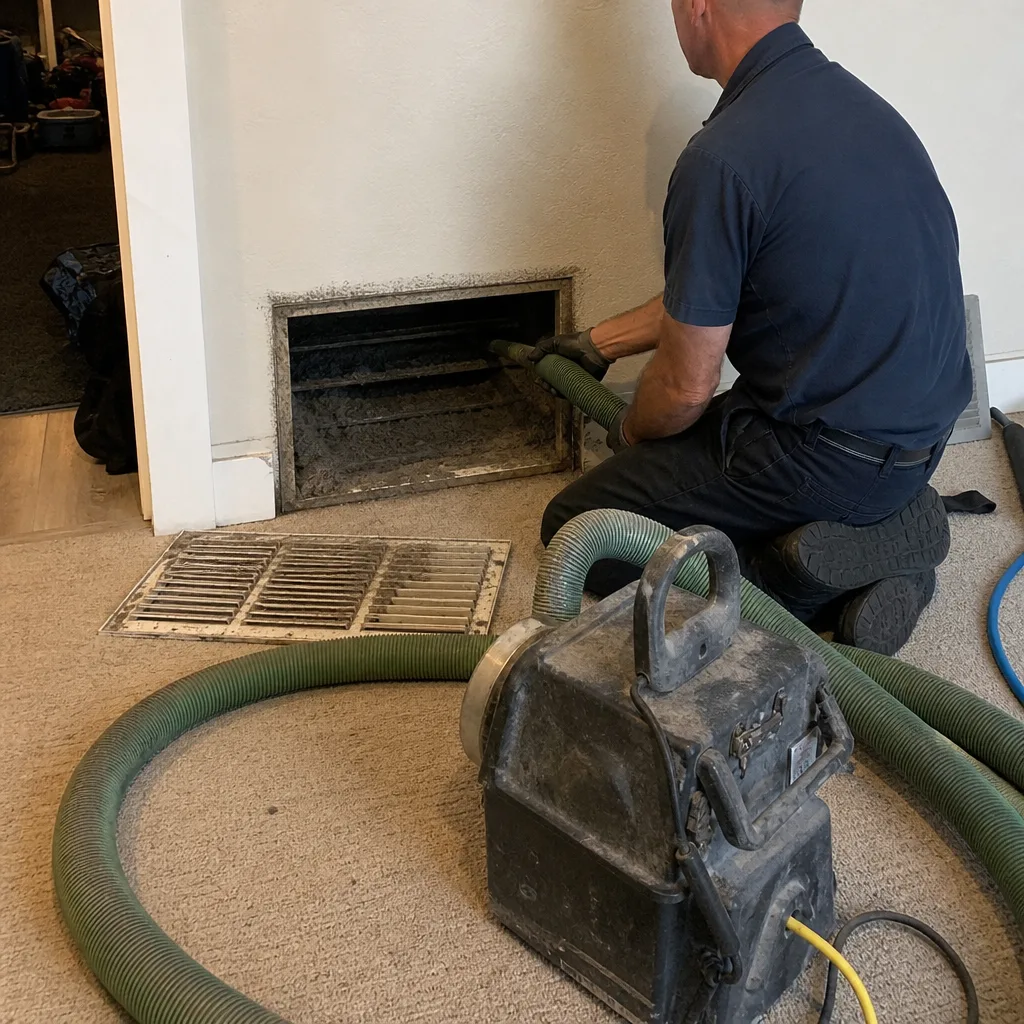 Before
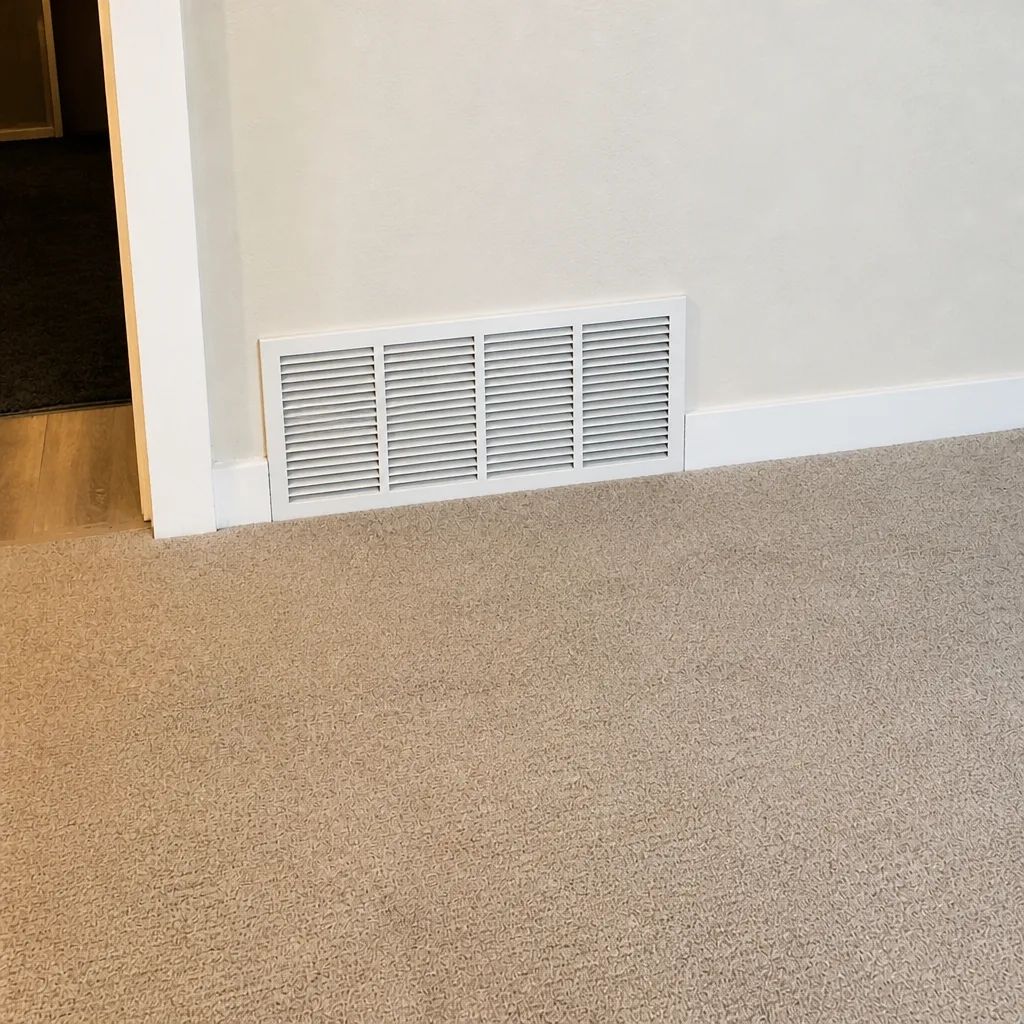 After
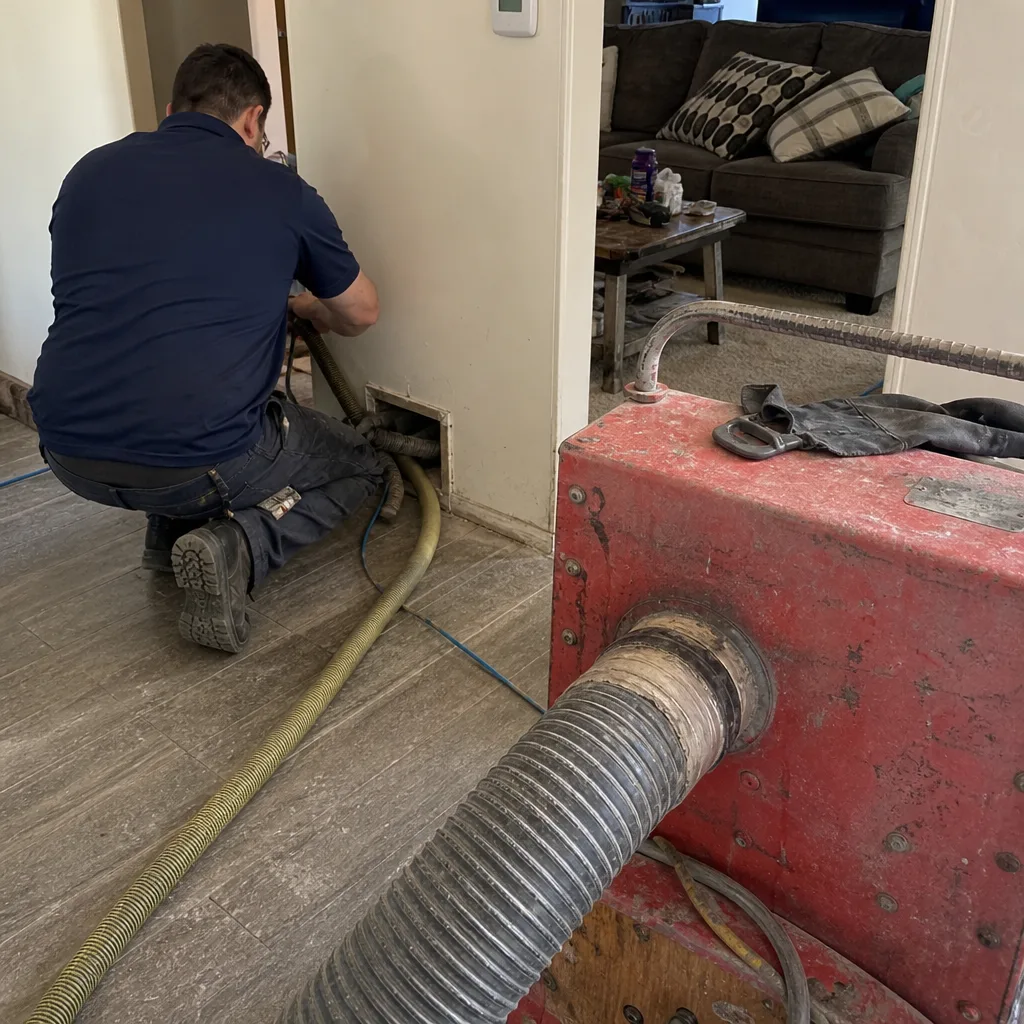 Before
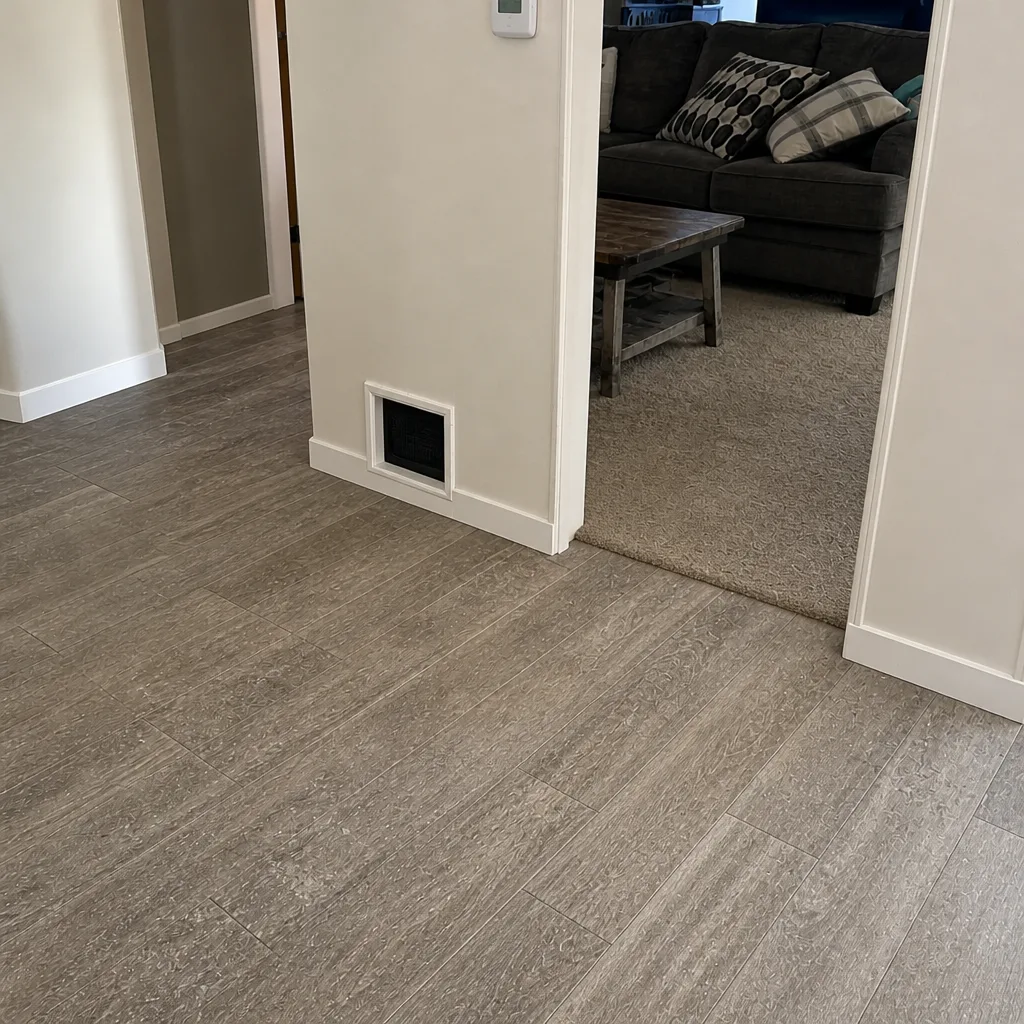 After
 Before
 After