
Last updated November 24, 2026
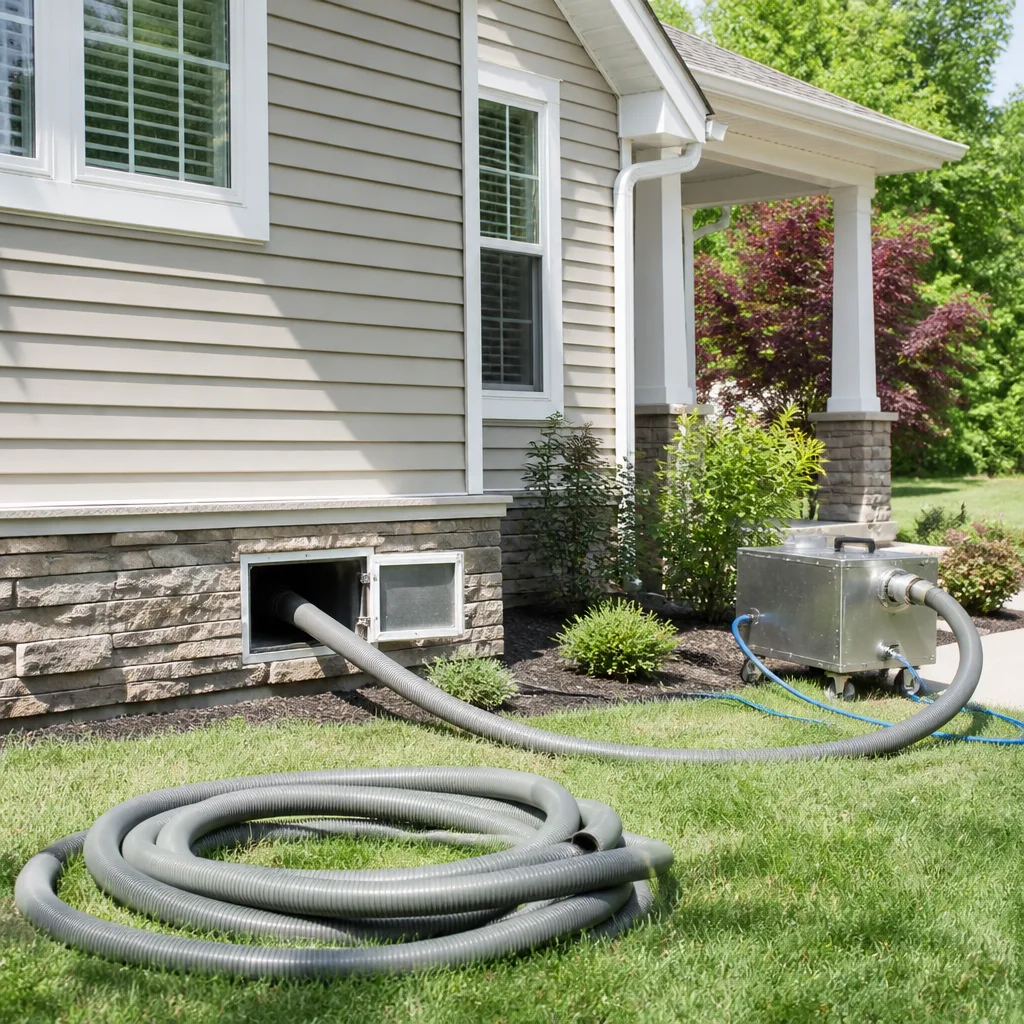 Whole-home duct cleaning
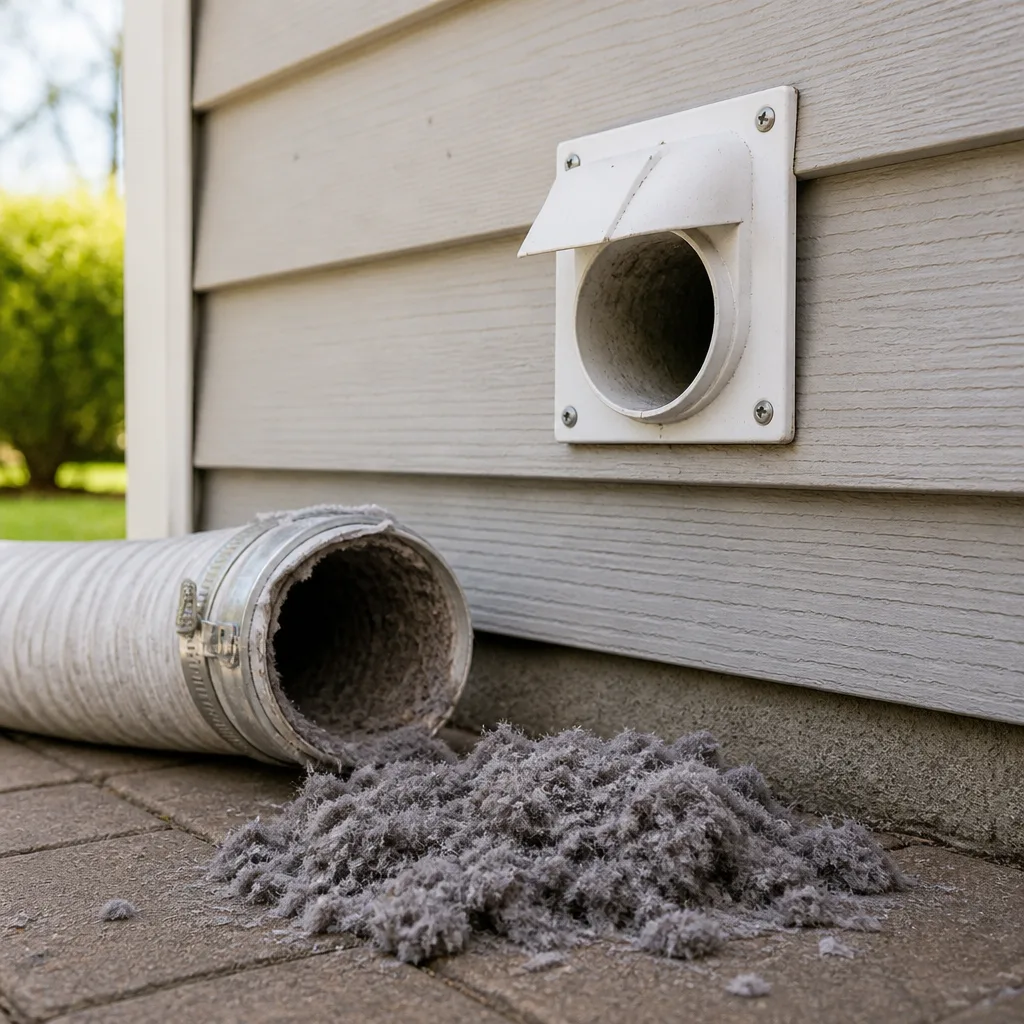 Dryer vent cleaning
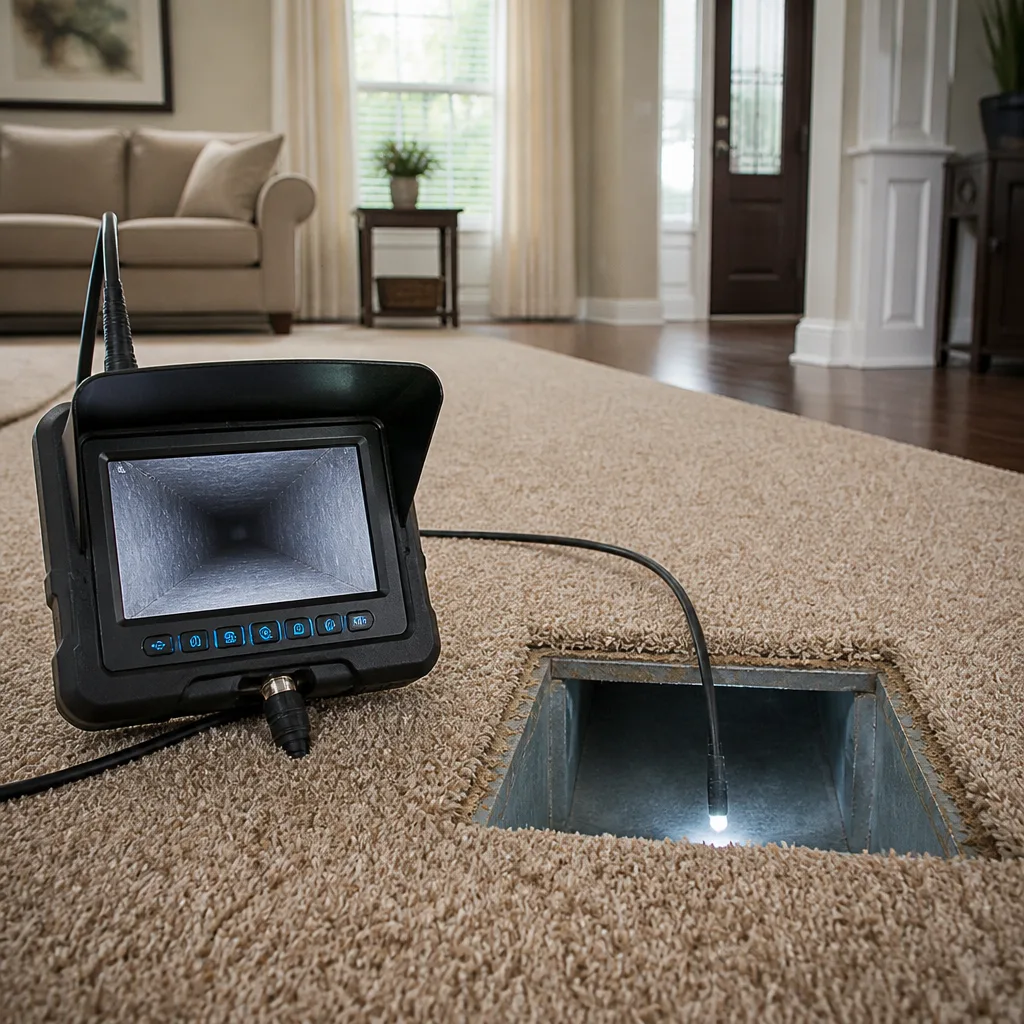 Camera inspection
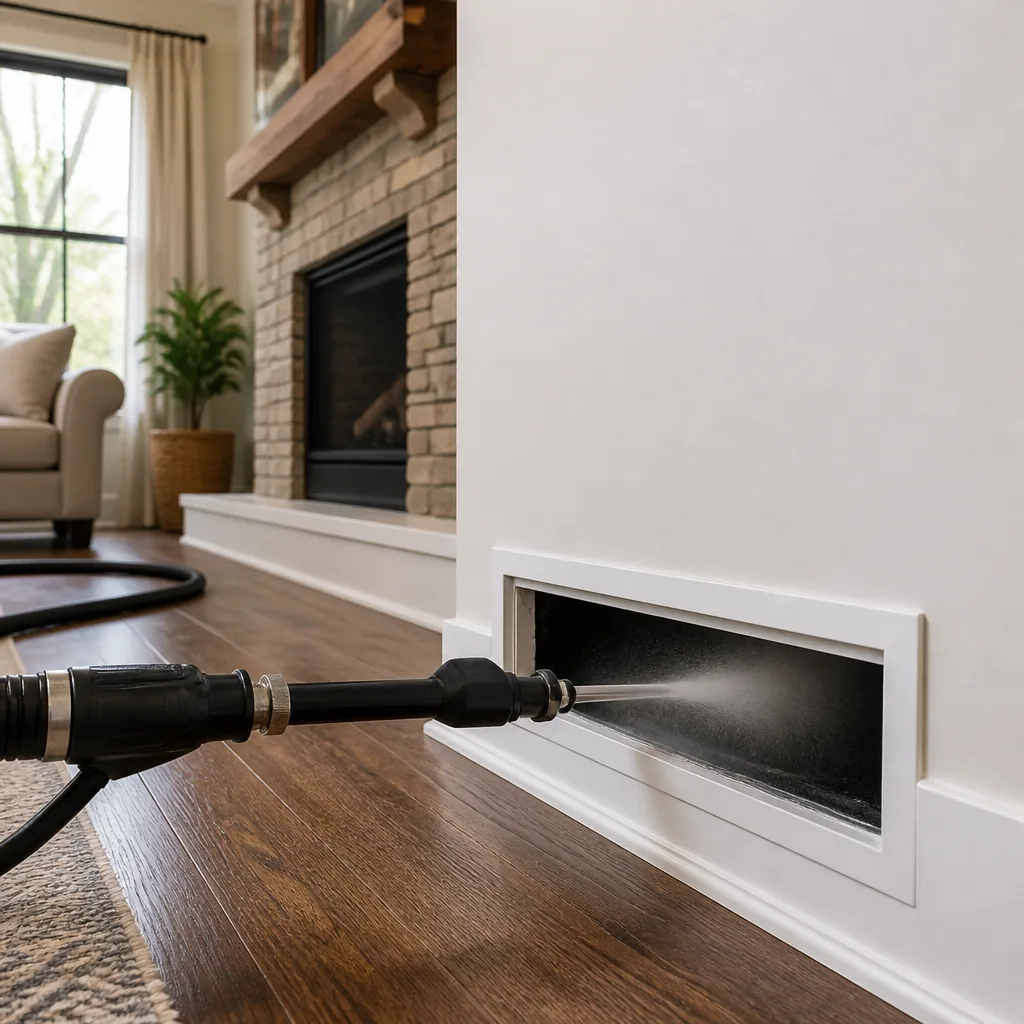 Sanitizing & deodorizing
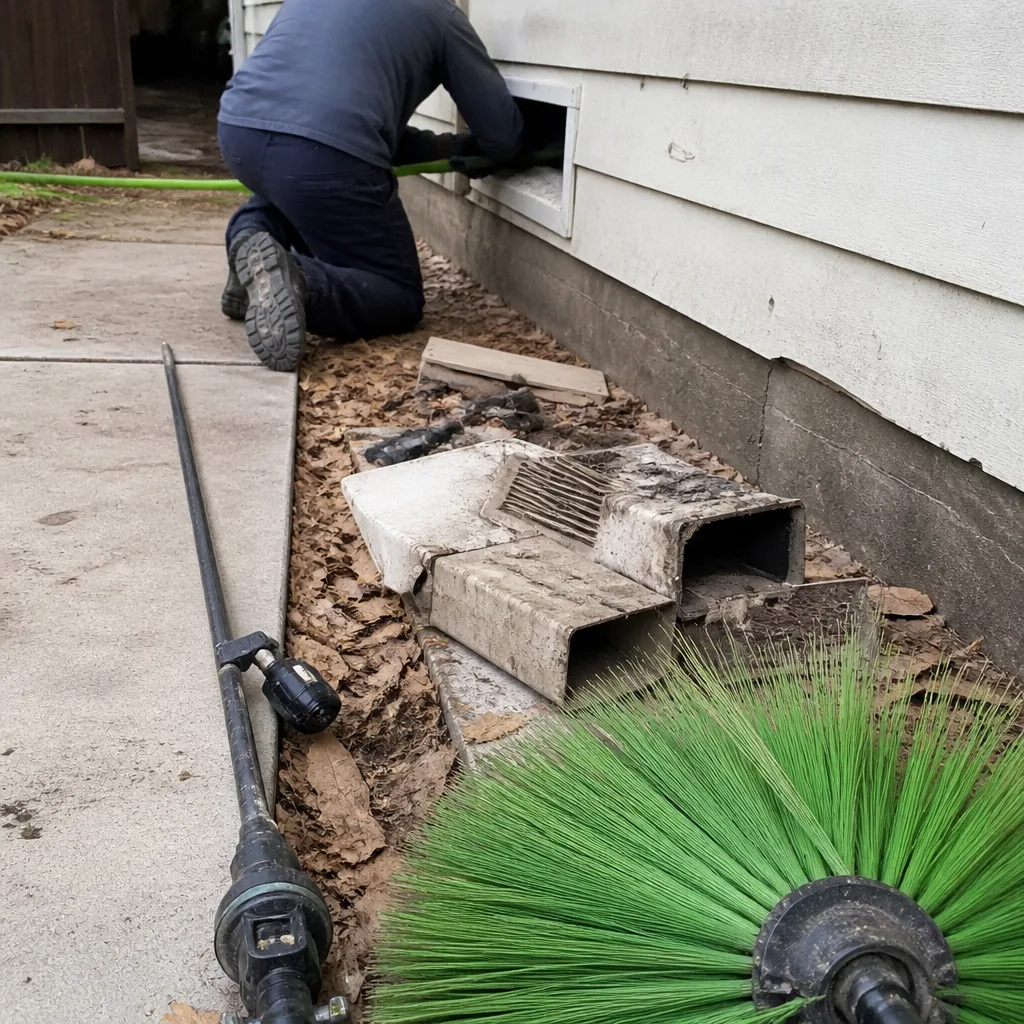
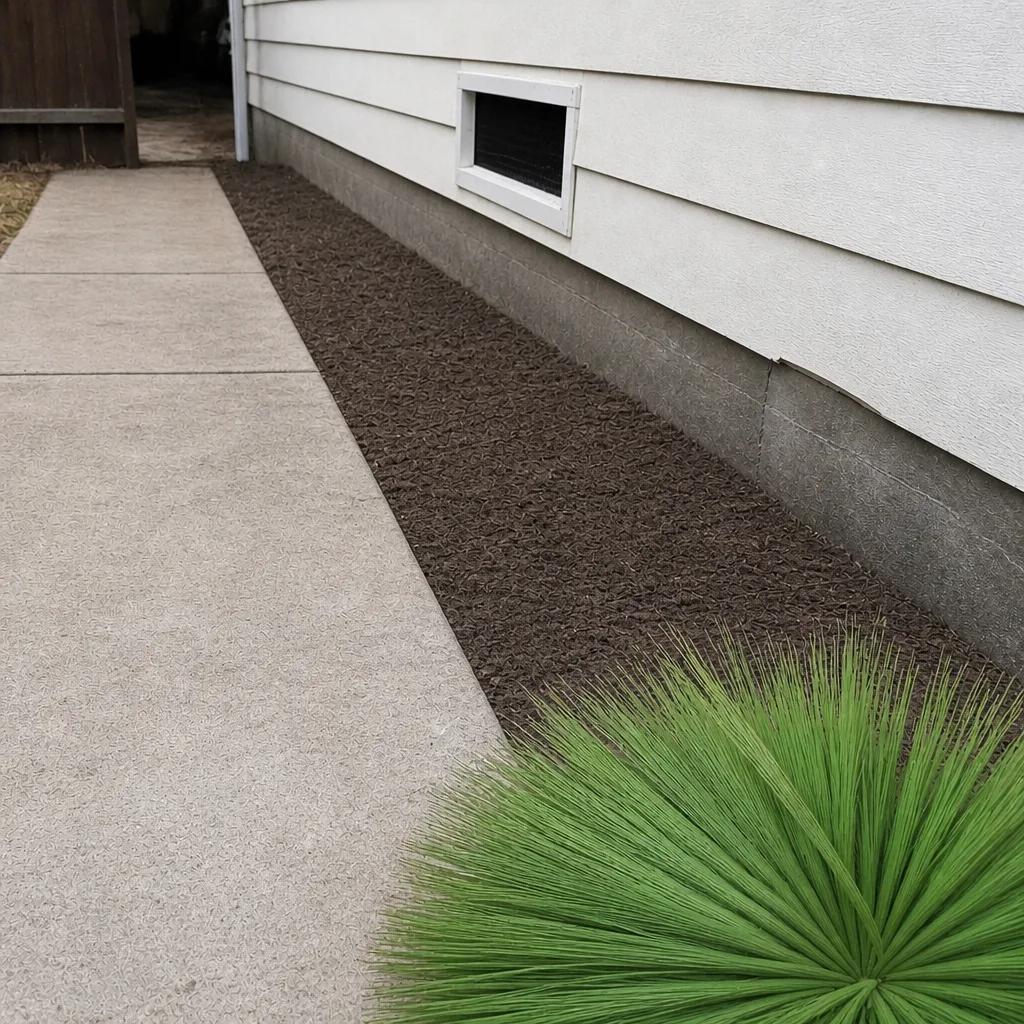
Whole-system duct and dryer vent check with before-and-after photos - you see exactly what came out of your vents
That "$99 whole-house special" is a bait ad - the real number appears once they are in your hallway, or the "clean" is a shop-vac at the register. We photograph the inside of your ducts before and after instead.
How to Hire an Air Duct Cleaning Contractor in Clearfield: A Step-by-Step Guide
The most expensive duct cleaning job is usually the one you have to redo. That surprises people. Most homeowners assume the risk of hiring wrong is a few hundred dollars wasted, and the air in the house stays roughly the same. The EPA’s own guidance on duct cleaning says otherwise: done improperly, the process can dislodge debris and push more contaminants into your living space than if you’d left the ducts alone. Hiring the wrong crew isn’t a neutral mistake. It’s a measurable step backward for the air your family breathes. This guide gives you the interview questions, quote structure, and written documentation to tell a real Clearfield contractor from a seasonal crew before either one shows up at your door.
Quick Answer
Hiring an air duct cleaning contractor in Clearfield comes down to three checks: verify the crew uses professional-grade equipment and containment (not a shop vac and a hose), confirm they price the job by system size and access rather than by vent count, and get the scope, equipment, and post-job documentation in writing before work starts. Ask the five interview questions below, request a quote structured by system rather than per vent, and walk away from anyone who can’t answer them clearly. A legitimate contractor will welcome the questions.
Styles & brands we work with
- Whole-home duct cleaning
- Dryer vent cleaning
- Camera inspection
- Sanitizing & deodorizing
Table of Contents
- Why Clearfield Homeowners Need to Vet This Trade Carefully
- The Five Questions to Ask Before You Book
- What NADCA Certification Actually Means (and How to Verify It)
- How to Read a Duct Cleaning Quote: System Size vs. Vent Count
- Utah-Specific Red Flags: The Seasonal Crew Problem
- What to Get in Writing Before Work Starts
- What a Post-Job Report Should Document
- Equipment You Should Be Able to Name
Why Clearfield Homeowners Need to Vet This Trade Carefully
Air duct cleaning has one of the widest gaps between the best and worst operators of any home service category. On one end you have contractors running truck-mounted or portable systems with proper agitation tools, negative-pressure containment, and documented before-and-after evidence. On the other end you have a van, a wet-dry vac, and a coupon. Both call themselves duct cleaning. The gap between them isn’t a matter of taste.
Clearfield sits in the northern Wasatch Front, where homes run heating hard through cold winters and cooling through dry, dusty summers. That swing matters. Ductwork here collects fine soil and construction dust that blows in off open lots, and it accumulates more of it when the HVAC system runs nearly year-round. A house in Clearfield that’s had several seasons of that buildup needs genuine mechanical agitation to dislodge it, not a vacuum pulled across a supply register.
Here’s the part that catches people: the wrong contractor can make indoor air worse. The EPA’s duct cleaning guidance warns that improper cleaning can release more contaminants into the home than doing nothing at all. When a crew agitates debris without proper containment and negative pressure, that debris goes into the living space and settles back into the system. You pay for a service and end up with a setback.
Vetting isn’t paranoia. It’s the whole job. The process below works whether you hire us or anyone else, and we’d rather you use it than book blind.
The Five Questions to Ask Before You Book
These five questions separate contractors who know the trade from crews reading from a script. Ask them on the phone before anyone comes out. A credible answer is specific. A deflection tells you everything you need to know.
-
“What equipment will you use, and what’s the agitation method?” A real answer names a system: a Rotobrush, a Nikro rig, a truck-mount with a rotary brush or air whip. A deflection is “we use a powerful vacuum” or “all the professional stuff.” You’re not looking for a brand name as a password. You’re looking for someone who can explain how they break debris loose from duct walls, not just pull air through the trunk line. We run Rotobrush systems for this reason: agitation-based cleaning is the industry benchmark, and it’s what actually dislodges caked-on debris instead of just vacuuming the loose stuff at the surface.
-
“How do you contain the dust during the job?” The good answer involves negative pressure and containment barriers. A professional setup uses air scrubbers or containment gear so dislodged debris goes into the collection system, not into your hallway. Listen for Abatement Technologies or equivalent containment and scrubbing equipment. The bad answer is silence, or “we put down drop cloths.” Drop cloths protect the floor. They don’t protect your air.
-
“Do you price by vent count or by system size?” A credible contractor prices by system size and the complexity of access: how many trunks and branches, how the ductwork is laid out, whether it’s flex or rigid, how accessible the plenums are. A contractor who quotes a flat per-vent price has a pricing model built to reward volume, not thoroughness. More on this in the quote section below.
-
“Will I get before-and-after photos of my actual ducts?” This is the single easiest question to verify honesty on. Anyone with a phone and a flashlight can photograph what’s inside your ducts before and after. A contractor who does it, will show you. A contractor who can’t, won’t. Never accept stock photos or generic before-and-afters.
-
“What do you do if you find damaged duct? “ Cleaning reveals problems. Flex duct that’s kinked or torn, joints that have separated, seams leaking into an unconditioned attic. A clean-only outfit hands you a camera phone photo and tells you to call someone else. A full-service contractor repairs and seals what they find, right then, so you aren’t chasing a second company mid-project. In our experience the second-company shuffle is where projects go sideways and money gets wasted.
What NADCA Certification Actually Means (and How to Verify It)
NADCA stands for the National Air Duct Cleaners Association, and its certification is a real credential with real content behind it. It requires defined training, a written exam, and continuing education, and certified companies commit to a published standard of care: proper source removal, containment, and evidence-based cleaning practices rather than surface vacuuming. That’s the mechanical part. The certification defines what “clean” means in a professional context.
The trouble is that “NADCA” as a logo on a website means nothing. Anyone can type it into a page. Verification is a two-step process, and it takes about five minutes:
- Ask for the certified company name and the individual certified technician’s name. A legitimate credential is attached to a company and to people, not to a page.
- Check the number independently. The association maintains a find-a-professional lookup. Verify it’s the company’s credential and that it’s current, not lapsed. A lapsed certification is the common gap.
What to expect if a contractor isn’t NADCA-certified: it’s not an automatic disqualifier, but it means you need to verify everything else yourself. Ask about equipment, containment, and documentation directly. A company that operates professional-grade gear and can walk you through its process is a different animal from one that can’t answer the questions in the section above. Certification is a shortcut to trust. Without it, you do the work.
How to Read a Duct Cleaning Quote: System Size vs. Vent Count
Legitimate duct cleaning gets priced by the size and complexity of the system, not the number of vents on your ceilings. That’s the whole structure. A per-vent quote lets a contractor pad the count, charge per register whether or not the line behind it gets real attention, and turn an honest job into a sliding scale. A quote built on system size reflects the real variable: how much duct volume, how many branches, how hard it is to access the trunks and plenums.
What a good quote covers:
- System size and layout. How many trunk lines and branches, roughly how many linear feet of duct, whether it’s flex or rigid.
- Access complexity. Where the plenums sit, whether they’re reachable, how many access ports need creating or opening, whether the crawlspace or attic is entered.
- Scope inclusions in plain language. Which components get cleaned: supply and return, registers, grilles, plenum, HVAC coil area, blower, drain pan.
- Add-ons defined separately. Sanitizing, duct sealing, and dryer vent cleaning itemized so you can see them apart from the core job.
Two different contractors in Clearfield can quote a three-bedroom house and land on wildly different totals, and the difference is usually scope, not price. One cleans supply and return lines and stops there. One cleans the full system from intake to outlet, including the coil area and drain pan where the gunk collects. Compare the scopes, not the bottom line. A quote that’s missing half the system will always look cheaper than one that covers it.
The Clearfield-specific variable is access. Older housing stock in Clearfield and the surrounding neighborhoods can mean tighter crawlspaces and attics than newer builds, which raises the labor content of a job. A contractor pricing by vent count won’t account for that. A contractor pricing by system and access will. Call (833) 468-5771 for a free estimate that reflects the actual layout of your house, not a register tally.
Utah-Specific Red Flags: The Seasonal Crew Problem
Utah has spent years near the top of the country for new home construction and population growth, and that has a specific effect on the trades. Where construction booms, seasonal crews follow. A crew that travels to Utah for peak building season, runs duct cleaning on the side, and moves on when the work dries up is a pattern you’ll see here. The crew isn’t necessarily predatory. It’s simply not set up to be accountable to a home it cleans, because the home’s in a city that crew won’t be in next month.
What to look for:
- No physical accountability. No verifiable identity attached to the company, no track record of repeat local work, no way to hold anyone responsible if a duct is left damaged.
- Aggressive door-to-door timing. A crew knocking on doors right after a new subdivision opens, right when the peak season hits. Not automatically bad. But ask about equipment and documentation anyway.
- Price that drops under pressure. A quote that collapses when you ask about the details is a quote built to get in the door.
- No written scope or documentation. If the crew can’t produce a written scope before work starts or photos after, it’s not accountable to anything except the invoice.
A company with a verifiable presence in Clearfield, meaning it can put its process in writing and back it with equipment and documentation, is a different proposition from a seasonal crew rolling through. That’s the accountability test. It’s also worth pointing out: dryer vent cleaning is part of this conversation. A seasonal crew that cleans ducts and leaves the dryer vent alone has skipped one of the more overlooked fire risks in the house. Our own service mix covers both because you shouldn’t have to find a second contractor for the vent.
For household air specifically, that full-system view matters. If you’re looking at cleaning, drying, and air quality as one job, the place to start is our Clearfield Air Duct Cleaning page, and the detailed scope lives under air duct cleaning.
What to Get in Writing Before Work Starts
Get it in writing before anyone steps inside. The written document is the only thing holding a contractor to what they promised, and it’s the difference between a quote and a conversation. Everything that matters should be on paper.
The written scope should include:
- The exact scope of work. Which components get cleaned: supply, return, registers, plenums, coil area, blower. Named in plain language. “Clean the system” is not a scope.
- A single flat price for the work. One price agreed before the start, not a per-vent rate that wiggles. If the system turns out to have hidden damage, the repair should be quoted separately and approved before it’s performed, not added to the invoice at the end.
- Equipment named. Which system is being used, what containment comes with it. This means the quote and the process are the same document.
- Scheduling terms and access requirements. What the homeowner needs to clear, how long the job is expected to take.
- The documentation the contractor will deliver after. Photos, a written summary of what was found, what was cleaned.
One flat price per system, agreed before the start, with before-and-after photos of your own ducts, is the structure that makes bait-and-switch impossible. If a quote can’t be written down in that form, it’s not a quote. It’s an opening bid. Call (833) 468-5771. We answer 24/7. Fast dispatch from 7am to 7pm, Sunday through Friday. Estimates are free, and the written estimate sets the final price.
What a Post-Job Report Should Document
A post-job report is the proof of what actually happened inside your ducts, and it should be more than a handshake and a receipt. Ask for it upfront. If a contractor can’t describe the report they’ll hand you, that’s your answer.
A proper report includes:
- Before-and-after photos of your own ductwork. Not a stock photo, not a stranger’s duct on a laminated sheet. Photographs of the inside of the ducts in the house they just cleaned.
- A list of components cleaned. The specific supply and return lines, registers, plenums, and any HVAC equipment that was touched.
- Conditions found. Any compromised duct, separated joints, kinked flex runs, evidence of pests or moisture, and whether the issue was repaired during the visit or recommended for later.
- Add-on services performed. If sanitizing or sealing was performed, what products and where. Guardsman finishing and sanitizing products are a recognizable standard, and they should appear in the report if they were used.
- A record of any duct sealing or repair completed. Sealed seams, replaced sections, patched runs. The report tracks what was fixed, not just what was vacuumed.
The report is where an honest contractor separates themselves from a seasonal crew. A crew on the way to the next town has no reason to document what it did. A company with a place in Clearfield’s market has every reason.
Equipment You Should Be Able to Name
Ask a contractor which equipment they use, and listen for the actual system. Not “the best,” not “professional-grade” as a vague adjective. A name. The names matter because they signal the tier of the work. Rotobrush systems use agitation-based cleaning, the benchmark for getting debris off duct walls. Nikro is standard equipment in commercial HVAC work. Names like Abatement Technologies show up when a contractor handles indoor air quality and containment seriously, not just surface vacuuming. Honeywell and Aprilaire products show up on the installation and service side, where cleaning turns into long-term air quality management: filtration, humidification and dehumidification, fresh-air control. Guardsman shows up in the finishing and sanitizing steps.
Why it matters for your hiring decision: a crew running consumer-grade tools will tell you they’re doing the same job as a company running professional equipment. And the airflow difference is real. But the honest test isn’t whether a contractor has the best gear. It’s whether they can name what they use, explain how it works, and show you the containment setup in the same breath.
We can name the whole stack: Rotobrush, Nikro, Abatement Technologies, Honeywell, Aprilaire, Guardsman. Every one of those brands is tied to a specific job in the process. If you ask about our HVAC cleaning work, the answer covers the coil area, blower, and drain pan alongside the ducts. That’s the scope.
Common Mistakes to Avoid
- Booking on price alone. The cheapest quote is almost never the one with real containment and documentation behind it. In Utah’s market, the lowest number is often a seasonal crew with a rented vac, and the savings evaporate when a duct gets left damaged.
- Accepting a per-vent quote. Per-vent pricing rewards the contractor for counting registers, not for thorough work. Push for a quote built on system size and access, every time.
- Not verifying NADCA. A logo on a website is not a credential. Check the company and the certified technician independently through the association’s lookup, and confirm the certification is current.
- Skipping the equipment question. “We use a powerful vacuum” is a deflection. If no one can name the system and the containment setup, you don’t know who’s coming to the house.
- Ignoring duct damage and going with a clean-only outfit. If the cleaning reveals a separated joint or torn flex run, a clean-only crew hands you a photo and leaves. You want the repair and sealing done under the same roof, right then, not a second contractor and a second project.
- Forgetting the dryer vent. It’s one of the more overlooked fire risks in the home, and it’s cheap to bundle into the same visit. Leaving it out of the scope means you’re scheduling a second job.
- Not asking for the post-job report. A handshake and a receipt is not documentation. If you can’t get before-and-after photos of your own ducts, you have no way to know the work was actually done.
See the difference
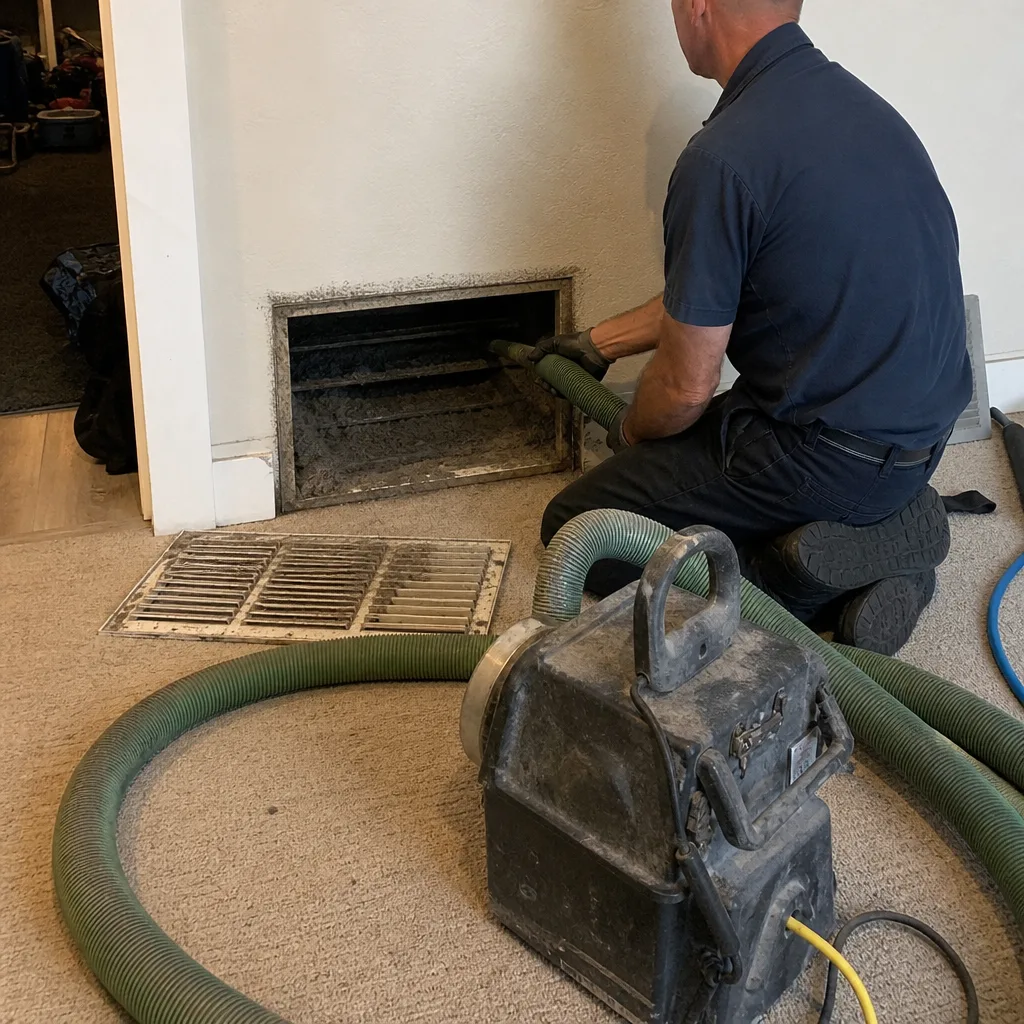 Before
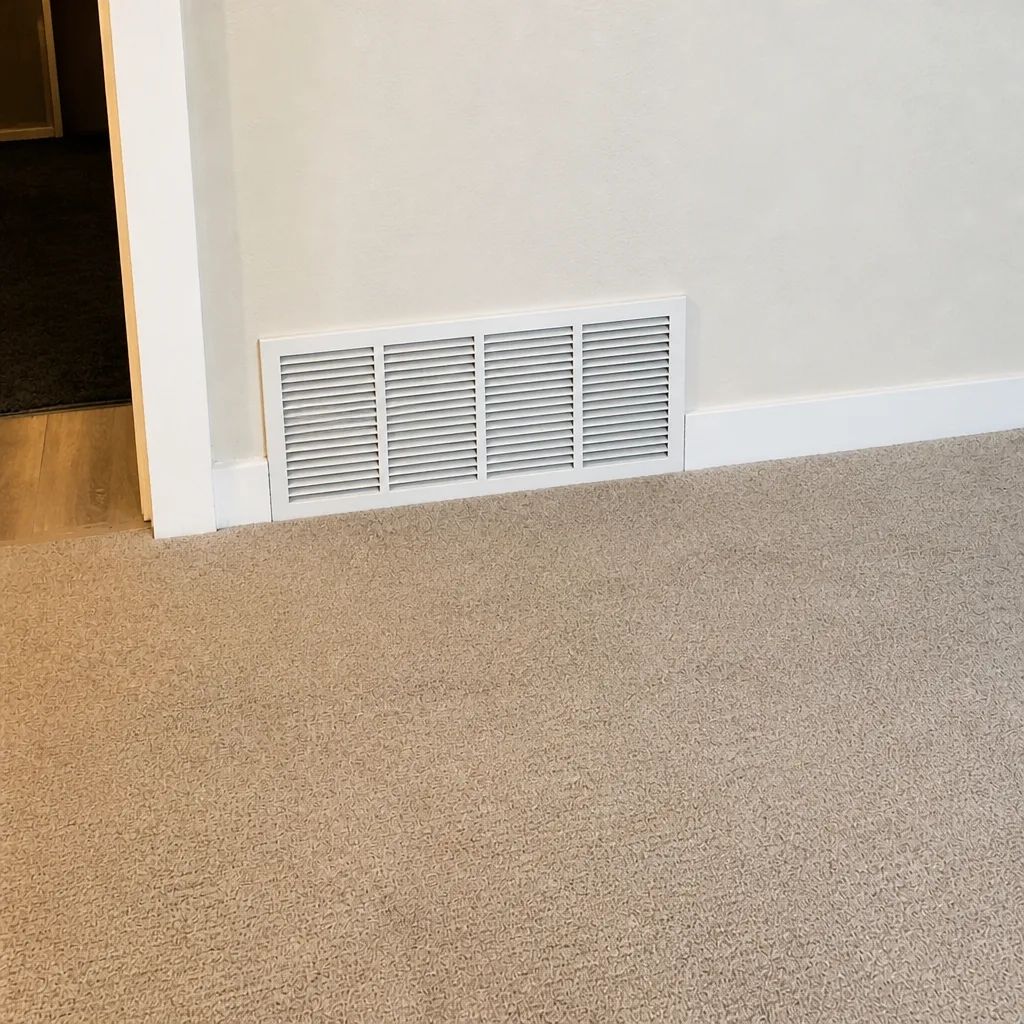 After
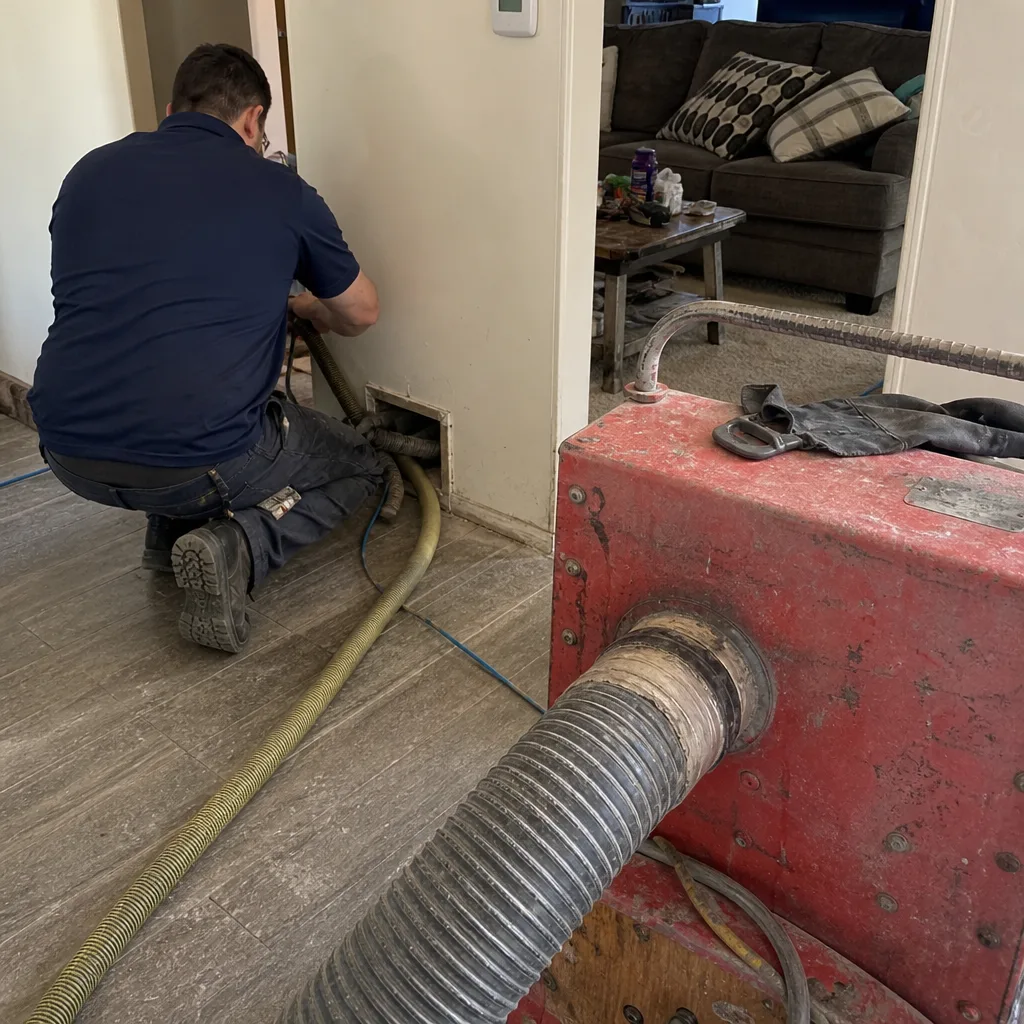 Before
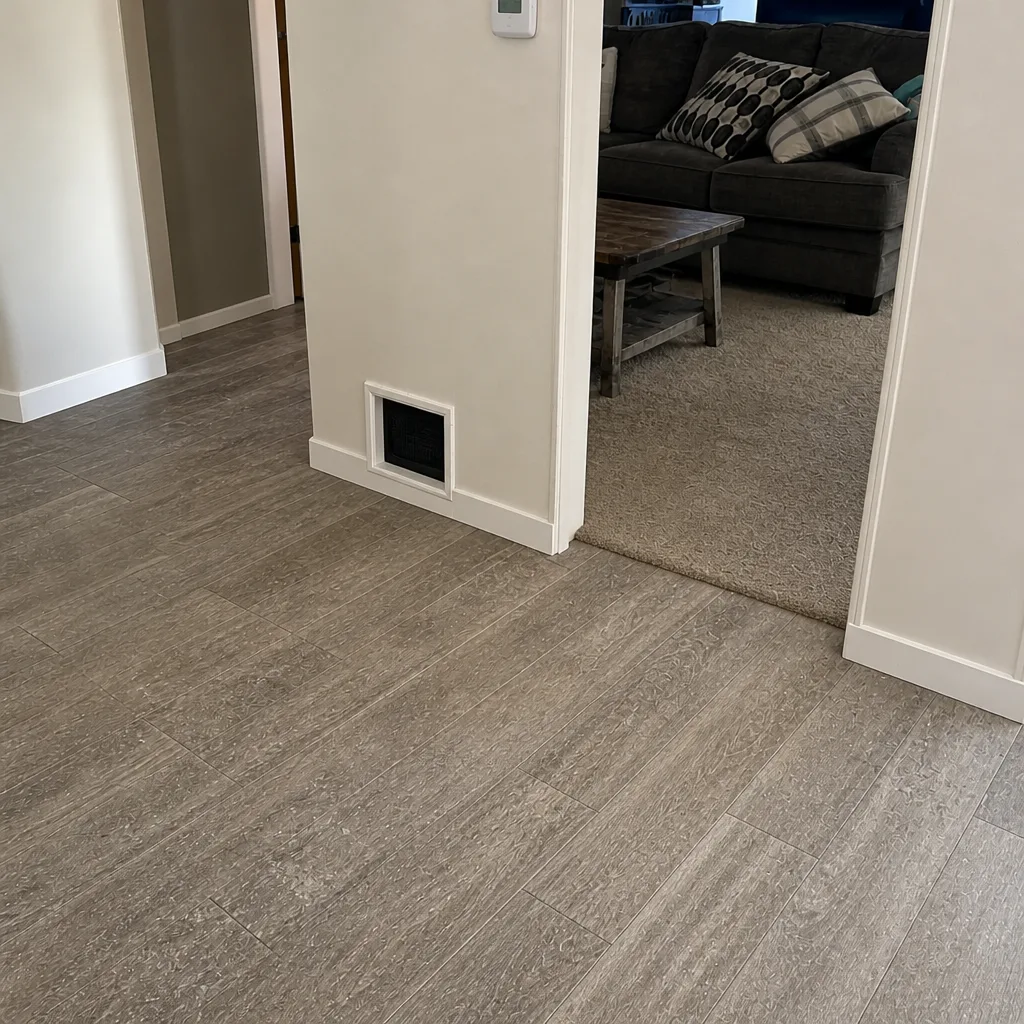 After
 Before
 After
When to Call a Professional
Call a professional when the visible signs line up: dust puffing from registers when the heat kicks on, a musty smell that gets stronger when the HVAC runs, visible debris on the supply grille, or a recent renovation that filled the return with construction dust. Call when the system hasn’t been cleaned in years, when someone in the home has responded to the air quality, or when a dryer is taking noticeably longer to dry a load. Any one of those is reason enough to get eyes on the system and a proper scope. Clearfield Air Duct Cleaning offers free estimates in Clearfield. Call (833) 468-5771. We answer 24/7. Fast dispatch from 7am to 7pm, Sunday through Friday.
Frequently Asked Questions
Verify three things: the equipment they use, their containment setup, and their documentation. A qualified contractor can name their agitation system and containment gear, explains how they price by system size rather than per vent, and delivers before-and-after photos of your own ducts. NADCA certification strengthens the case, but verify it through the association’s lookup rather than trusting a website logo. If a contractor can’t answer the five questions in this guide clearly, keep looking.
In Clearfield, a typical residential job is priced by system size and access complexity, so the honest way to get a number is a free estimate on your actual house, with the written estimate setting the final price. Be cautious of per-vent quotes and coupon pricing. A very low teaser price is usually the door-opener for an invoice that grows once the technician is on site. One flat price per system, agreed before work starts, is the structure to insist on. Call (833) 468-5771 for an exact quote. Estimates are free.
Cheaper quotes usually cover less. They may clean only the supply lines and skip the returns, coil area, and plenums. They may use consumer-level equipment instead of a Rotobrush or Nikro system. They may run without containment, which risks pushing more contaminants into the air. Or they may come from a seasonal crew that won’t be in the area to stand behind the work. Compare the scope and the documentation, not the bottom line. Call (833) 468-5771 to talk through what a real Clearfield job should cover.
You know because you have before-and-after photos of your own ductwork, a written report listing the components cleaned, and conditions found during the work. Ask for those before the contractor starts, not after. A crew that can’t show you pictures of the insides of your ducts has given you no evidence at all. Call (833) 468-5771 and we’ll walk you through the documentation we provide.
There’s no fixed interval that fits every house. The honest answer depends on the home: how often the HVAC runs, whether there are pets, recent renovations, or a dusty environment, and whether there’s visible dust or odor from the registers. Clearfield’s dust and the long heating and cooling seasons both increase runoff, so a home that runs its system heavily may need attention sooner than one that doesn’t. Ask a contractor to assess the system and tell you honestly. Call (833) 468-5771 for a free assessment.
Not automatically. Duct cleaning and dryer vent cleaning are separate jobs, though they’re often done in the same visit. Dryer vents collect lint, and that’s one of the more overlooked fire risks in a home, so it’s worth asking about upfront. Clearfield Air Duct Cleaning includes dryer vent cleaning in its service scope, which means one call and one visit for the full system. Call (833) 468-5771 to book both.
The Bottom Line
Hiring the right duct cleaning contractor in Clearfield comes down to a short verification process. Ask the five questions, verify NADCA through the association’s own lookup, insist on a quote structured by system size rather than per vent, and require written scope and a documented post-job report. Watch for seasonal crews that follow the construction boom and disappear. Name the equipment, verify the containment, and demand photos of your own ducts. Do that, and you avoid both the wrong contractor and the invisible version of the same mistake: paying for a job that made your indoor air worse, not better. Call us at (833) 468-5771 for a free estimate, and we’ll show you exactly how we’d approach your house.
Written by the team at Clearfield Air Duct Cleaning.